Page 5600 of 6794
1 5.598 5.599 5.600 5.601 5.602 6.794

EEUU: Refugees and migrants reproductive health needs overlooked

América del Norte/Estados Unidos/16 de Septiembre de 2016/Fuente: UNFPA

RESUMEN: Mientras los líderes mundiales se reúnan en Nueva York para la Asamblea General de las Naciones Unidas, que se dispuso a abordar algunas de las mayores catástrofes en una generación: la molienda de conflictos que han establecido poblaciones enteras a la deriva, aplastando la pobreza y la desigualdad que empujan a las familias a buscar oportunidades a través de los océanos y continentes, y el lento veneno de la discriminación y la persecución que impulsa a comunidades marginadas a buscar en el extranjero un futuro mejor. Muchos de estos refugiados y migrantes se encontrará con entornos extraterrestres y territorio hostil. Algunos serán satisfechas por la explotación o más derramamiento de sangre. Muchos encontrarán hospitalidad y una nueva vida, un cojinete de poca semejanza con el mundo que habían conocido.

As world leaders gather in New York for the United Nations General Assembly, they will set out to address some of the greatest catastrophes in a generation: grinding conflicts that have set whole populations adrift, crushing poverty and inequality that push families to seek opportunities across oceans and continents, and the slow poison of discrimination and persecution that compels marginalized communities to look abroad for a better future.

Many of these refugees and migrants will encounter alien environments and hostile territory. Some will be met by exploitation or more bloodshed. Many will find hospitality and a new life, one bearing little resemblance to the world they used to know.

But all of them will need something critical on the passage to safety: sexual and reproductive health care.

Pregnant and on the run

“We were afraid to take the trip because she is pregnant, but we had to go,” said Shagah, the 37-year-old husband of Morsay, 16. Refugees from Afghanistan, they had spent two months on the road, passing through Pakistan, Iran, Turkey and Greece before crossing into the former Yugoslav Republic of Macedonia.

They are part of the largest wave of forcibly displaced people in history – some 65.3 million people are currently displaced, according to the UN Refugee Agency (UNHCR). UNHCR estimates 21.3 million of these people are refugees, and 10 million are stateless.

It is part of an unprecedented level of global migration. In 2015, the UN estimated 243.7 million people were international migrants – an increase of nearly 60 per cent since 1990.

Women of childbearing age comprise a significant proportion of every displaced community. Many of these women are pregnant or will become pregnant during their time on the move.

“When we arrived, we thought that we would be here for around two to three months,” Mohammad Suliman told UNFPA in the Zaatari refugee camp in Jordan. In fact, refugees spend an average of about 20 years in exile.

“But when we realized that it was going to be a much longer time,” he said, “we decided to start a family here.”

His second daughter, Rima, was the 5,000th baby born at the UNFPA-supported women’s clinic in the camp.

UNFPA and its partners train and deploy midwives and other health professionals, and distribute health supplies to support antenatal consultations, safe delivery services and postnatal care for pregnant women and their babies.

But as the volume of refugees and migrants grows, too many women remain out of reach.

Access to care and information disrupted

And women and newborns are not the only ones in need of care.

All people should be able to access contraceptives, including condoms, to prevent unwanted pregnancy and disease. All young people require information about their bodies and how to keep themselves healthy and safe.

Yet humanitarian crises, poverty, dislocation and insecurity routinely disrupt access to reproductive health care and sexual health information.

Humanitarian responders are working to provide these vital services. For example, Irene Ayo, a South Sudanese refugee living in south-western Uganda, is working with a UNFPA-supported group to help other young women in the refugee settlement access family planning.

“I encourage other girls and women to use it so as to plan their futures,” she said.
Threatened by abuse, exploitation

Tragically, not enough people have the option to plan their futures.

Refugee and migrant women and girls endure heightened vulnerabilities that affect their access to care. These include threats of gender-based violence, exploitation and even harmful coping mechanisms.

Families under intense strain, for example, may believe marrying their underage daughters off will relieve financial pressure or even keep their daughters safer. In fact, child marriage exposes girls to a whole host of additional risks, including abuse, pregnancy complications and maternal death.

“I thought Haneen would be safe if she got married,” said the girl’s father after he arranged her marriage to a Turkish man whose name he did not even know. The family had fled from Syria and was struggling to survive with 11 children.

Haneen, only 13 at the time, was frequently and brutally beaten. She tried twice to commit suicide, and by the time her mother was able to bring her home, she was pregnant. Because Haneen’s marriage was not formal, she struggled to find health care.
Greater efforts needed

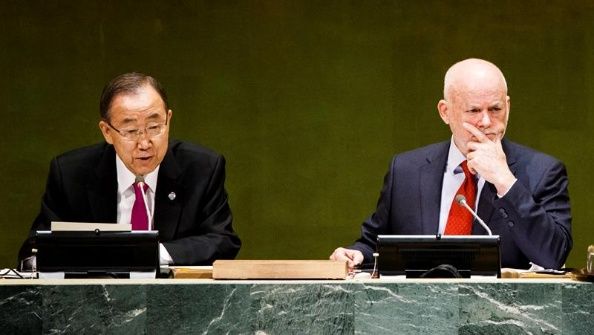
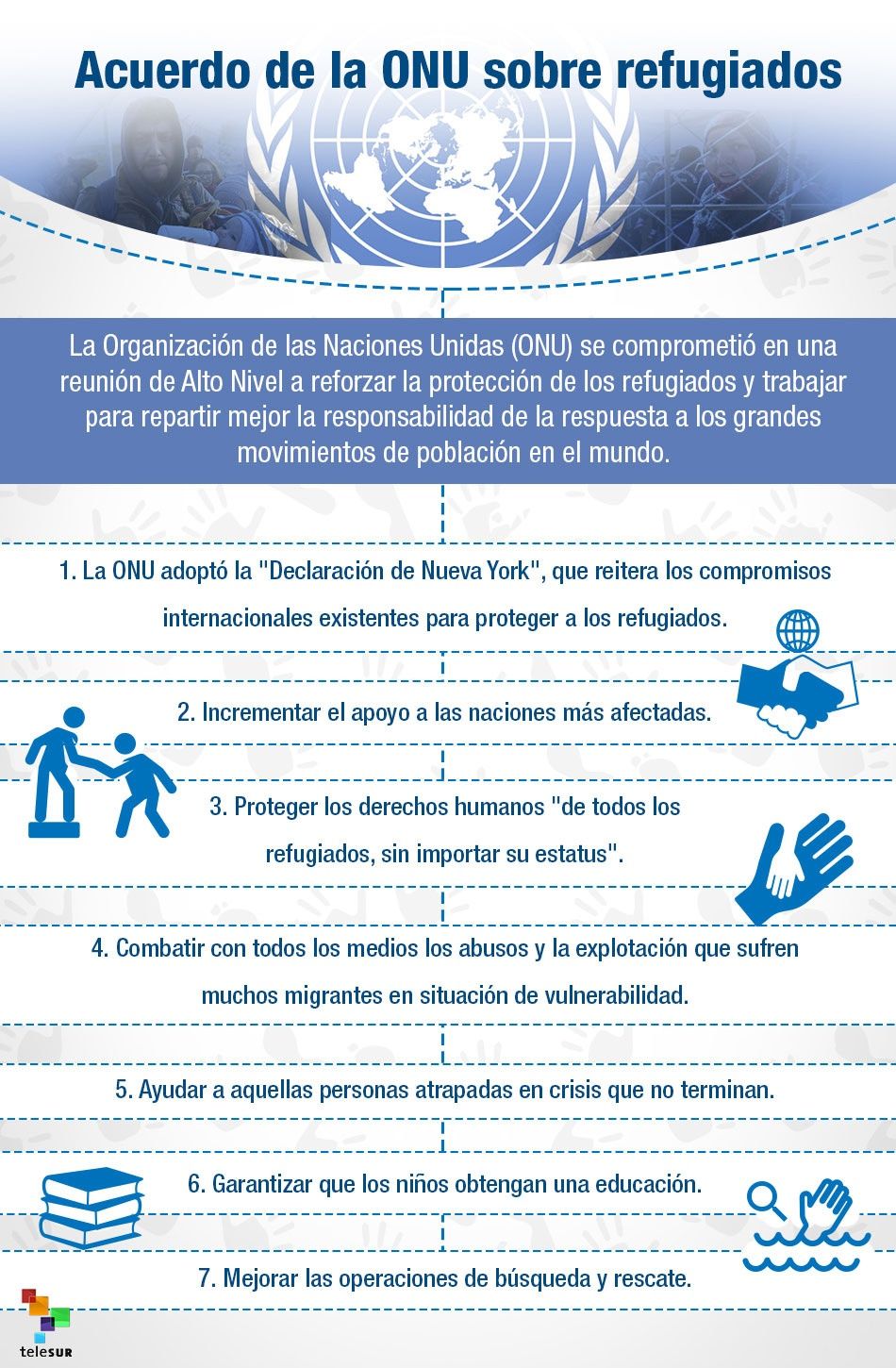
Next week, during the 71st United Nations General Assembly in New York, global leaders will attend the first-ever Summit on Refugees and Migrants to discuss the escalating numbers of people on the move.

UNFPA will underscore the unmet reproductive health needs of this population, and call for greater efforts to fulfil their human rights, including their rights to dignity and health care.

And UNFPA will draw attention to the need to meet the rights and needs of vulnerable populations at home, where improving opportunities and conditions may reduce the drive to leave in the first place.

Fuente: http://www.unfpa.org/es/node/15240

Comparte este contenido:

New Zealand: Education unions slam global funding proposal at Palmerston North rally

Oceanía/Nueva Zelanda/16 de Septiembre de 2016/Autora: Georgia Forrester/Fuente: Stuff

RESUMEN: Un dirigente sindical afirmo que la propuesta del Gobierno de cambiar la financiación de la escuela es el último paso en una «guerra por la reducción de costos» en la educación pública. El Plan de Presupuesto Mundial del Gobierno es parte de una revisión de la financiación del Ministerio de Educación. Se propone combinar la dotación de personal y los costos operativos dentro de las escuelas – un movimiento llamado por los sindicatos como «financiación mayor».  Alrededor de 1200 docentes en Palmerston North y trabajadores de apoyo  de Palmerston North & M Centro se reunireron el miércoles para escuchar el nuevo Instituto de Educación Zelanda (NZEI) y la Asociación de Maestros de Post-Primaria (PPTA) para hablar de la propuesta. Las escuelas dan garantía de financiación para pagar a los maestros, que es independiente del dinero utilizado para los gastos operativos tales como la energía, artículos de papelería y productos de limpieza. El Plan de Presupuesto Mundial vería que los fondos se combinan con otros ingresos. Hasta las escuelas deben decidir cuánto dinero se destina al personal. El mes pasado, el NZEI y PPTA anunciaron que estarían llevando a cabo más de 50 reuniones en todo el país, con la participación de 60.000 miembros del sindicato para discutir y votar sobre los cambios propuestos. La reunión continuará por todo el país con profesores de Taihape y Dannevirke que asistiran el jueves.

A Government proposal to change school staff funding is the latest move in a «cost cutting war» on public education, says a union leader.

The Government’s global budget plan is part of a Ministry of Education review of funding. It proposes to combine staffing and operational costs within schools – a move dubbed «bulk funding» by the unions.

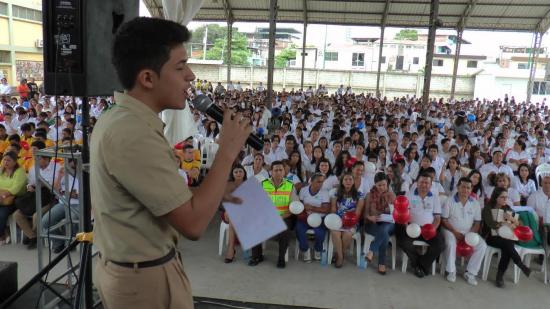
About 1200 Palmerston North teachers and support workers packed into Palmerston North’s B&M Centre on Wednesday to hear the New Zealand Education Institute (NZEI) and Post-Primary Teachers’ Association (PPTA) speak about the proposal.

Schools are given guaranteed funding to pay for teachers, which is separate from money used for operational costs such as power, stationery and cleaners. The global budget plan would see that funding combined with other revenue. It would then be up to the schools to decide how much money went to staff.

PPTA Manawatu Whanganui executive Rob Torr said the proposal came with «massive risks» that could decrease the quality of education for future New Zealand children.

«In the long [run] while the Government will be able to make significant savings, it will be at the expense of our schools, our members, our students and our communities.»

Staff members from 21 Manawatu schools who attended the meeting, cheered, clapped and waved signs as union members spoke.

NZEI primary teaching sector national executive Liam Rutherford said the reintroduction of bulk funding, the redistribution of special education funding away from school age children and the establishment of online schools represented a «cost cutting war» taking place in public education.

«…This isn’t actually about helping children, but rather they’re shifting responsibility for funding failure from the Government and on to schools.»

NZEI member and Palmerston North teacher aide Sue Nimmo said she loved her job as a support staff worker, but bulk funding, could lead to low wages, fixed contracts, fluctuating hours and limited job security.

Teachers had a chance to band together and campaign against the proposal, she said.

Last week, an advisory committee recommended dropping the plan entirely. It had concerns about extra pressure on staff, uncertainty for schools, and removal of the «ring fence» around resources for teachers.

Education Minister Hekia Parata has previously acknowledged strong opposition to the measure, but would not take it off the table ahead of a Cabinet discussion.

She said the global budget was a mechanism for paying, not about how they put together how much a school should get.

Last month, the NZEI and PPTA announced they would be holding more than 50 meetings around the country, involving 60,000 union members to discuss and vote on the proposed changes.

The meeting continue around the country with teachers from Taihape and Dannevirke attending theirs on Thursday.

Fuente: http://www.stuff.co.nz/national/education/84237893/education-unions-slam-global-funding-proposal-at-palmerston-north-rally

Comparte este contenido:

India to miss target for universal upper-secondary education by 50 Years

Asia/India/16 de Septiembre de 2016/Fuente: The New Indian Express

RESUMEN: India no tendrá la educación universal secundaria superior (que abarca el grupo de edad de 14-17 años y 9 de la norma 12) hasta 2085, más de medio siglo de retraso, según el Informe de Seguimiento de la Educación Global 2016 por la Unesco. Esto tiene que ponerse en relación con las recientes mejoras en la educación en la India, más notablemente que ha habido un aumento general de tasa bruta de matrícula (GER, o la inscripción del estudiante como una proporción del grupo de edad elegible correspondiente en un año determinado) en casi todas las nivel de educación como de 2013-14. La disparidad de género en la educación se ha abordado en gran medida, y la matrícula de niñas en la educación superior aumentó de 39 por ciento en 2007 al 46 por ciento en 2014.Sin embargo, todavía hay gran disparidad en la consecución de las competencias básicas, como la lectura y las matemáticas, donde ha habido una disminución en los resultados del aprendizaje, como se destaca en el informe de la Unesco.


India will not have universal upper secondary education (covering the age group 14-17 years and 9th to 12th standard) till 2085, over half a century late, according to the Global Education Monitoring Report 2016 by Unesco.

This has to be viewed against the recent improvements in education in India, most notably that there has been an overall increase in gross enrolment ratio (GER, or student enrolment as a proportion of the corresponding eligible age group in a given year) at almost every level of education as of 2013-14.

Gender disparity in schooling has been largely addressed, and the enrolment of girls in higher education increased from 39 per cent in 2007 to 46 per cent in 2014.

An increase in single-sex toilets in schools has led to an increase in the enrolment of adolescent girls and female teachers, the Unesco study shows.

However, there is still large disparity in achievement of basic skills, such as reading and math, where there has been a decline in learning outcomes, as highlighted in the Unesco report.

Absenteeism among teachers remains a problem. As many as 25 per cent teachers in primary schools remain absent from work, and only 50 per cent of those at school are actually engaged in teaching activities, a 2004 World Bank report suggested. Almost 24 per cent teachers were absent during random visits to rural schools, according to a September 2015 study by the University of California.

The government has not established any bonus to incentivise teachers and principals, the Minister of Human Resource Development informed the Lok Sabha in April 2016.

E-pathshala, launched in 2015 and aimed at promoting e-learning through e-resources like textbooks, audio and video material, was among the steps taken to tackle the shortage of good teachers, the minister said.

Stunting too is a problem. As many as 39 per cent, or 61.8 million, Indian children who are five or younger are stunted, as IndiaSpend reported in July. This is 15 per cent higher than the global average.

In terms of educational achievement, studies show that stunting at age two leads to children completing one year less of school. Those stunted before age five achieve less schooling and lower test performances.

Another sustainable development goal that India will miss is to have only 100 million children stunted in 2025.

The current trends suggest that there will be 127 million children stunted in that year. A major problem that is preventing stunting is lack of global and local funding, as IndiaSpend reported earlier.

Fuente: http://www.newindianexpress.com/nation/India-to-miss-target-for-universal-upper-secondary-education-by-50-Years/2016/09/14/article3620734.ece

Fuente de la imagen: http://www.oneindia.com/india/india-miss-target-universal-upper-secondary-education-50-years-2208634.html

Comparte este contenido:

Venezuela: Ministerio de Educación comenzó formación de maestros en el área de inglés

América del Sur/Venezuela/16 de Septiembre de 2016/Fuente: Entorno Inteligente

Este martes, el Ministerio del Poder Popular para la Educación inició el proceso de formación de maestros en el área de inglés, lo que permitirá incluir la materia a nivel de educación primaria, informó la coordinadora nacional de la Micromisión Simón Rodríguez, Rosa López.

La también coordinadora de la Colección Bicentenario en inglés adelantó que esta semana y la próxima se reunirán con facilitadores de todas las entidades del país, quienes se encargarán de coordinar con el Ministerio, a través de las zonas educativas, la inducción de cada uno de los planteles en cuanto a la inclusión del inglés como materia a partir del cuarto, quinto y sexto de educación primaria.

“Esto es un hecho histórico para nuestro país. Nosotros necesitamos tener posibilidades de práctica de esa lengua extranjera y gracias a la revisión que se hizo se logró comprender que el proceso de transformación curricular es necesario. Aquí no se está eliminado esta materia, el inglés ahora se va a trabajar seis horas académicas semanales. Esto es un proceso que ha puesto en marcha el Ministerio y el British Council, lo que beneficia a los niños y niñas del país”, dijo.

Por su parte, el gerente de proyectos del British Council, Mark Gregson, expresó la importancia de continuar el trabajo que desde hace años mantienen con el Ministerio para la Educación y que será fortalecida este nuevo año escolar 2016-2017.

“Tenemos grandes expectativas porque sabemos que los que están haciendo esta capacitación son personas con mucha motivación. Hemos estado trabajando con la mayoría de ellos en la Micromisión Simón Rodríguez en el área de inglés desde hace 18 meses, dando apoyo a esa iniciativa del ministerio. También hemos brindando el apoyo a ese despacho en cuanto a la introducción del texto de la Colección Bicentenario de la serie My Victory”, dijo.

Gregson comentó que el objetivo a largo plazo es establecer la materia de inglés desde el primer grado, refiere una nota de prensa del Ministerio de Educación.

“Lo que estamos tratando de promocionar es una metodología interactiva con clases donde los alumnos estén motivados a aprender el idioma. El British Council aplaude las iniciativas del ministerio en cuanto a la introducción de los libros de texto y la inclusión del inglés en la educación media y primaria”, puntualizó.

Esta idea de incluir el inglés a nivel de educación primaria surgió de la Consulta Nacional por la Calidad Educativa, debate nacional en el que se planteó la importancia que tiene para las nuevas generaciones aprender una lengua extranjera.

Durante esta consulta, realizada en 2014, más de 7 millones de ciudadanos -entre ellos maestros, estudiantes, padres y representantes y comunidad en general- plasmaron sus propuestas para fortalecer el sistema educativo venezolano.

Fuente: http://www.entornointeligente.com/articulo/8939611/VENEZUELA-Ministerio-de-Educacioacute;n-comenzoacute;-formacioacute;n-de-maestros-en-el-aacute;rea-de-ingleacute;s-14092016

Fuente de la imagen: http://www.entornointeligente.com/articulo/4959387/VENEZUELA-Realizan-jornada-de-formacion-docente-07022015

Comparte este contenido:

Reino Unido: Refugee girls need education – Malala Yousafzai

Europa/Reino Unido/16 de Septiembre de 2016/Fuente: Eyewitness News

RESUMEN: El Premio Nobel Malala Yousafzai pidió el martes a los líderes mundiales para proporcionar educación a las niñas en los campamentos de refugiados para evitar que sean obligadas a casarse temprano o el trabajo infantil. La declaración de Yousafzai se produce una semana antes de que el presidente estadounidense, Barack Obama acoge la primera cumbre de la ONU sobre los refugiados en Nueva York, donde se espera instar a los líderes a hacer más para ayudar a los refugiados en países como Líbano, Turquía, Jordania y Kenia. «¿Por qué los líderes mundiales pierden el tiempo con este concurso de simpatía, mientras que no están dispuestos a hacer lo único que va a cambiar el futuro de millones de niños?» Yousafzai dijo en un comunicado previo a la cumbre del 20 de septiembre.

Nobel laureate Malala Yousafzai on Tuesday called on world leaders to provide education to girls in refugee camps to avoid them being forced into early marriage or child labour.

Yousafzai’s statement comes a week before US President Barack Obama hosts the first UN summit on refugees in New York where he is expected to urge leaders to do more to help refugees in countries like Lebanon, Turkey, Jordan and Kenya.

«Why do world leaders waste our time with this pageant of sympathy while they are unwilling to do the one thing that will change the future for millions of children?» Yousafzai said in a statement ahead of the 20 September summit.

She said refugee girls were wondering how long they can stay out of school before they are forced into early marriages or child labour.

«They’re hoping for more than survival» she said. «And they have the potential to help rebuild safe, peaceful, prosperous countries, but they can’t do this without education.»

Fighting in Syria, Afghanistan, Burundi and South Sudan has contributed to a record number of people who were uprooted last year, according to the UN refugee agency, which estimates there are 21.3 million refugees worldwide, half of them children.

Almost 80 percent of all refugee adolescents are out of school, with girls making up the majority of those excluded from education, according to a report issued by the Malala Fund, which campaigns and fundraises for educational causes.

It also blamed donor countries for failing to provide adequate funding for secondary education, and failing to deliver on funding pledges made earlier this year.

The report also criticised wealthy donor countries for diverting resources away from host countries in developing regions, such as Turkey and Lebanon, to meet their own domestic refugee costs.

The report concluded by urging donors to commit to providing $2.9 billion by September 2019 to the Education Cannot Wait Fund, a new body to raise finance for the education of refugee children.

Yousafzai, 19, rose to international fame after surviving a 2012 assassination attempt by the Taliban in Pakistan’s Swat valley to continue her fight for girls’ rights.

A regular speaker on the global stage, Yousafzai visited refugee camps in Rwanda and Kenya in July to highlight the plight of refugee girls from Burundi and Somalia.

In 2014, Yousafzai became the youngest-ever Nobel Prize winner for her work promoting girls’ education in Pakistan.

Fuente: http://ewn.co.za/2016/09/14/Refugee-girls-hoping-for-more-than-survival-need-education–Malala

Comparte este contenido:

Líbano se compromete a ofrecer educación a sus niños y a los refugiados sirios

El Ministerio de Educación y Enseñanza Superior libanés se comprometió hoy a proporcionar educación a todos los niños libaneses y a los refugiados sirios que residen en el país este curso escolar, con la ayuda de la comunidad internacional.

El Ministerio de Educación y Enseñanza Superior libanés se comprometió hoy a proporcionar educación a todos los niños libaneses y a los refugiados sirios que residen en el país este curso escolar, con la ayuda de la comunidad internacional.

«Nuestro reto este año no es solo que cada niño vaya a la escuela, sino también asegurarnos de que continuará haciéndolo» en el futuro, dijo el titular del departamento, Elias Bou Saab, durante la presentación de la iniciativa «Ana Hader» («Estoy preparado»).

«El Gobierno y la comunidad internacional están determinados a apoyar a todos los niños para que tengan acceso a la educación», aseguró Saab e instó a los padres a enviarlos a la escuela.

El ministro de Educación aseguró que su departamento y aquellas entidades que colaboran con él buscan ofrecer formación gratis a 469.000 niños este año, lo cual significa que habrá 45.000 niños sirios más en las aulas respecto al año pasado.

En un nuevo informe publicado hoy, la Agencia de Naciones Unidas para los Refugiados (ACNUR) denunció que sólo un 40 por ciento de los niños refugiados sirios en el Líbano están escolarizados.

Por otra parte, Tanya Chapuisant, representante del Fondo de la Infancia de la ONU (UNICEF) en el Líbano, afirmó en la presentación de la iniciativa que los donantes internacionales y el Gobierno libanés han intentado ampliar el acceso gratuito a la educación formal, a los programas de aprendizaje y a la formación profesional.

Los colegios públicos libaneses disponen de dos turnos e imparten clases tanto por la mañana como por la tarde para poder acoger a los refugiados sirios, que son unos 200.000 en las escuelas del país.

Por su parte, el representante de la Organización de Naciones Unidas para la Educación, la Ciencia y la Cultura (UNESCO), Hamed Alhamami, prometió apoyar el aprendizaje de los jóvenes en las escuelas secundarias a través de una educación formal y por vías alternativas.

«Aproximadamente 61.000 jóvenes refugiados sirios tienen entre 15 y 17 años, y menos del 3 por ciento están matriculados en la enseñanza secundaria», subrayó.

«Es extremadamente importante que involucremos a los jóvenes y creemos incentivos para que adquieran habilidades y conocimientos que les ayudarán a garantizar su vida al regreso a sus casas» en Siria, destacó por su parte Mireille Girard, representante de ACNUR en el Líbano.

Tomado de: http://www.holaciudad.com/noticias/Libano-compromete-ofrecer-educacion-refugiados_0_953904790.html

Comparte este contenido:

Argentina: Rechazo al operativo evaluación “Aprender 2016”

Argentina/16 de septiembre de 2016/www.laizquierdadiario.com/Por: Agrupación Negra-ATEN

La Asociación de Trabajadores de la Educación de Neuquen, ATEN, convocó a reunión de directores para rechazar la evaluación del macrismo “aprender 2016”.

Se realizó este Lunes en la Escuela Provincial de Títeres, convocada por ATEN, una reunión de directores de escuelas primarias y medias para discutir entre otros puntos el Operativo Evaluación Aprender 2016, que promueve el gobierno nacional y provincial, los días 18 y 19 de Octubre próximo, en escuelas de toda la provincia y el país. Se escucharon allí voces críticas de dicha evaluación, por no considerar los procesos pedagógicos ni la situación particular de cada escuela y su comunidad. Por sus marco político teórico netamente neoliberal.

Además a través de esta evaluación pretenden medirse los aciertos y los fracasos de la escuela pública fuera de los contextos materiales reales que atraviesa la educación en todo el país, donde se sobrevive sin presupuesto, y con un magro financiamiento que muestra en los hechos lo insuficiente y nunca alcanzado 6% del PBI que se había planteado alcanzar el gobierno kirchnerista.

La conducción TEP de ATEN (Trabajadores para una Educación Popular, de filiación abiertamente kirchnerista), con excusas, se negó a debatir el planteo de preocupación por el avance de la reforma curricular del nivel medio, la cual ellos promueven junto al gobierno, donde se prevé achicar contenidos y precarizar a través de “talleres” a contraturno, algunas materias como las estético-expresivas.

Hubieron también varias intervenciones que reivindicaron el espacio creado para la discusión curricular, pero no precisamente para hacer las tareas que plantea el gobierno, sino para discutir los problemas reales que hay en cada escuela.

Queda a la espera de la decisión de las asambleas recientemente convocadas para este jueves y viernes próximos, como se enfrentaran las trabajadoras de la educación de manera colectiva a las pretensiones del gobierno de reformar a la baja condiciones laborales y precarización pedagógica.

Tomado de: http://www.laizquierdadiario.com/Rechazo-al-operativo-evaluacion-Aprender-2016

Comparte este contenido:
Page 5600 of 6794
1 5.598 5.599 5.600 5.601 5.602 6.794