Page 112 of 144
1 110 111 112 113 114 144

EEUU: Students push for lawmakers to increase higher education funding

EEUU/March 06, 2018/By: Elisha Machado/Source: http://wwlp.com

Higher education spending per student has been cut by 32 percent since 2001.

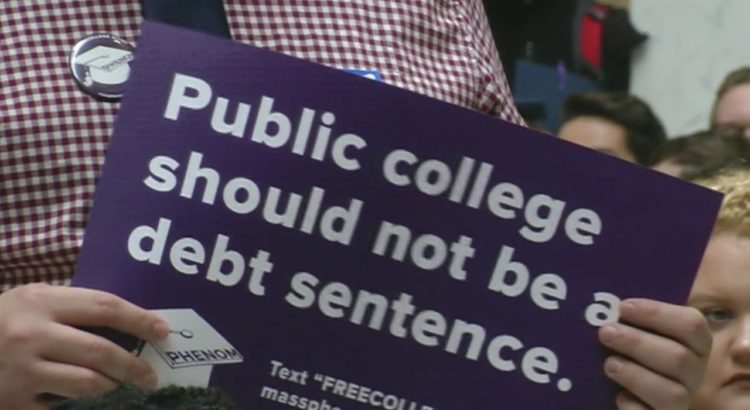
Student debt is rising in Massachusetts, but state funding is falling. College students are calling on the state to invest more in the higher education system and provide them with some financial relief.

According to a MassBudget report, average tuition and fees for Massachusetts public colleges and universities have more than doubled since 2001. But higher education spending per student has been cut by 32 percent over the same period.

Students lobbied lawmakers at the State House Monday to put money back into the higher education system. They want lawmakers to pass a bill that would pay for one full year of tuition and fees at a public college or university for eligible students. It’s known as the “Finish Line Grant.”

“So many students usually drop out after the first year after seeing the costs and how it effects them so even just giving them one extra year to over think-especially with community colleges where you might only go for two years, pay for your first year and it encourages you to stay for your degree,” Westfield State University student Mickey Prout told 22News.

The bill is currently stuck in committee, but they’re expected to take action by April 25.

Students and advocates are also hoping voters will pass a 2018 ballot question, known as the “Fair Share Amendment” or millionaire’s tax, that would invest a portion of income tax revenue in education and transportation.

“We can’t afford to do the things that we’re talking about if the Fair Share Amendment doesn’t pass,” State Rep. John Scibak, (D) South Hadley, said.

If passed, the question would place a four percent surtax on incomes over one million dollars. Higher education advocates want $500 million of generated revenue to go to public higher education.

Source:

http://wwlp.com/2018/03/05/students-push-for-lawmakers-to-increase-higher-education-funding/

Comparte este contenido:

When Schools Become Dead Zones of the Imagination: A Critical Pedagogy Manifesto

By. Henry Giroux

calling to speak is often a vocation of agony, but we must speak. We must speak with all the humility that is appropriate to our limited vision, but we must speak.

Martin Luther King, Jr.

If the right-wing billionaires and apostles of corporate power have their way, public schools will become “dead zones of the imagination,” reduced to anti-public spaces that wage an assault on critical thinking, civic literacy and historical memory.1 Since the 1980s, schools have increasingly become testing hubs that de-skill teachers and disempower students. They have also been refigured as punishment centers where low-income and poor minority youth are harshly disciplined under zero tolerance policies in ways that often result in their being arrested and charged with crimes that, on the surface, are as trivial as the punishment is harsh. 2 Under casino capitalism’s push to privatize education, public schools have been closed in cities such as, Philadelphia, Chicago and New York to make way for charter schools. Teacher unions have been attacked, public employees denigrated and teachers reduced to technicians working under deplorable and mind-numbing conditions. 3

Corporate school reform is not simply obsessed with measurements that degrade any viable understanding of the connection between schooling and educating critically engaged citizens. The reform movement is also determined to underfund and disinvest resources for public schooling so that public education can be completely divorced from any democratic notion of governance, teaching and learning. In the eyes of billionaire un-reformers and titans of finance such as Bill Gates, Rupert Murdoch, the Walton family and Michael Bloomberg, public schools should be transformed, when not privatized, into adjuncts of shopping centers and prisons. 4

Like the dead space of the American mall, the school systems promoted by the un-reformers offer the empty ideological seduction of consumerism as the ultimate form of citizenship and learning. And, adopting the harsh warehousing mentality of prison wardens, the un-reformers endorse and create schools for poor students that punish rather than educate in order to channel disposable populations into the criminal justice system where they can fuel the profits of private prison corporations. The militarization of public schools that Secretary Arnie Duncan so admired and supported while he was the CEO of the Chicago School System was not only a ploy to instill authoritarian discipline practices against students disparagingly labeled as unruly, if not disposable. It was also an attempt to design schools that would break the capacity of students to think critically and render them willing and potential recruits to serve in senseless and deadly wars waged by the American empire. And, if such recruitment efforts failed, then students were quickly put on the conveyor belt of the school-to-prison pipeline.  For many poor minority youth in the public schools, prison becomes part of their destiny, just as public schools reinforce their status as second-class citizens. As Michelle Alexander points out, “Instead of schools being a pipeline to opportunity, [they] are feeding our prisons.” 5

Market-driven educational reforms, with their obsession with standardization, high-stakes testing, and punitive policies, also mimic a culture of cruelty that neoliberal policies produce in the wider society. They exhibit contempt for teachers and distrust of parents, repress creative teaching, destroy challenging and imaginative programs of study and treat students as mere inputs on an assembly line. Trust, imagination, creativity, and a respect for critical teaching and learning are thrown to the wind in the pursuit of profits and the proliferation of rigid, death-dealing accountability schemes. As John Tierney points out in his critique of corporate education reforms in The Atlantic, such approaches are not only oppressive – they are destined to fail. He writes:

Policies and practices that are based on distrust of teachers and disrespect for them will fail. Why? ‘The fate of the reforms ultimately depends on those who are the object of distrust.’ In other words, educational reforms need teachers’ buy-in, trust, and cooperation to succeed; ‘reforms’ that kick teachers in the teeth are never going to succeed. Moreover, education policies crafted without teacher involvement are bound to be wrongheaded. 6

The situation is further worsened in that not only are public schools being defunded and public school teachers attacked as the new welfare queens, but social and economic policies are being enacted by Republicans and other right-wingers to ensure low-income and poor minority students fail in public schools. For instance, many Tea Party-elected governors in states such as Wisconsin, North Carolina and Maine, along with right-wing politicians in Congress, are enacting cruel and savage policies (such as the defunding of the food stamp program) that directly impact on the health and well-being of poor students in schools. 7 Such policies shrink, if not destroy, the educational opportunities of poor youth by denying them the basic provisions they need to learn and then utilizing the consequent negative educational outcomes as one more illegitimate rationale for turning public schools over to private interests.

To read more articles by Henry A. Giroux and other authors in the Public Intellectual Project, click here.

When billionaire club members, such as Bill Gates and right-wing donors such as Art Pope, are not directly implementing policies that defund schools, they are funding research projects that turn students into test subjects for a world that even George Orwell would have found hard to imagine8 For instance, the Bill and Melinda Gates Foundation has provided a $500,000 grant to Clemson University to do a pilot study in which students would wear galvanic skin bracelets with wireless sensors that would track their physiological responses to various stimuli in the schools. A spokesperson for the foundation argues in defense of this creepy obsession with measuring students’ emotional responses by claiming that the biometric devices are a help to teachers who can measure “‘real-time’ (reflective feedback), kind of like a pedometer.” 9

It is not the vagueness of what this type of research is trying to achieve that is the most ludicrous and ethically offensive part of this study: It is the notion that reflective feedback can be reduced to measuring emotional impulses rather than produced through engaged dialogue and communication between actual teachers and students. How can bracelets measure why students are acting out if they are hungry, bored, fearful, sick or lack sleep because their parents might be homeless? How do such studies address larger structural issues such as the 50 million people in the United States who go hungry every night, one-third of whom are children?  And how do they manage to ignore their own connection to the rise of the surveillance state and the ongoing destruction of the civil rights of children and others? Research of this kind cannot speak to the rise of a Jim Crow society in which the mass incarceration of poor minorities is having a horrible effect on children. As Michelle Alexander points out, these are children “who have a parent or loved one, a relative, who has either spent time behind bars or who has acquired a criminal record and thus is part of the under-caste – the group of people who can be legally discriminated against for the rest of their lives.” 10 And the effect of such daily struggle is deadly. She writes:

. . . For these children, their life chances are greatly diminished. They are more likely to be raised in severe poverty; their parents are unlikely to be able to find work or housing and are often ineligible even for food stamps. For children, the era of mass incarceration has meant a tremendous amount of family separation, broken homes, poverty, and a far, far greater level of hopelessness as they see so many of their loved ones cycling in and out of prison. Children who have incarcerated parents are far more likely themselves to be incarcerated. 11

In contrast to the socially and ethically numb forms of educational research endorsed by so-called reformers, a recent study has linked high-stakes testing to lower graduation rates and higher incarceration rates, indicating that such testing plays a significant role in expanding “the machinery of the school-to-prison pipeline,” especially for low-income students and students of color.12  Most critics of the billionaires’ club ignore these issues. But a number of critics, such as New York University education professor Diane Ravitch, have raised significant questions about this type of research. Ravitch argues that Gates should “devote more time to improving the substance of what is being taught . . . and give up on all this measurement mania.” 13 Such critiques are important, but they could go further. Such reform efforts are about more than collapsing teaching and learning into an instrumental reductionism that approximates training rather than education. As Ken Saltman points out, the new un-reformers are political counter-revolutionaries and not simply misguided educators. 14

Noam Chomsky gets it right in arguing that we are now in a general period of regression that extends far beyond impacting education alone15 This period of regression is marked by massive inequalities in wealth, income and power that are fueling a poverty and ecological crisis and undermining every basic public sphere central to both democracy and the culture and structures necessary for people to lead a life of dignity and political participation16 The burden of cruelty, repression and corruption has broken the back of democracy, however weak, in the United States. America is no longer a democracy, nor is it simply a plutocracy. It has become an authoritarian state steeped in violence and run by the commanding financial, cultural and political agents of corporate power17

Corporate sovereignty has replaced political sovereignty, and the state has become largely an adjunct of banking institutions and financial service industries. Addicted to “the political demobilization of the citizenry,” the corporate elite is waging a political backlash against all institutions that serve democracy and foster a culture of questioning, dialogue and dissent. 18 The apostles of neoliberalism are concerned primarily with turning public schools over to casino capitalism in order to transform them into places where all but the privileged children of the 1% can be disciplined and cleansed of any critical impulses. Instead of learning to become independent thinkers, they acquire the debilitating habits of what might be called a moral and political deficit disorder that renders them passive and obedient in the face of a society based on massive inequalities in power, wealth and income. The current powerful corporate-based un-reform movement is wedded to developing modes of governance, ideologies and pedagogies dedicated to constraining and stunting any possibility for developing among students those critical, creative, and collaborative forms of thought and action necessary for participating in a substantive democracy.

At the core of the new reforms is a commitment to a pedagogy of stupidity and repression that is geared toward memorization, conformity, passivity, and high stakes testing. Rather than create autonomous, critical, and civically engaged students, the un-reformers kill the imagination while depoliticizing all vestiges of teaching and learning. The only language they know is the discourse of profit and the disciplinary language of command. John Taylor Gatto points to some elements of this pedagogy of repression in his claim that schools teach confusion by ignoring historical and relational contexts. 19  Every topic is taught in isolation and communicated by way of sterile pieces of information that have no shared meanings or context.

A pedagogy of repression defines students largely by their shortcomings rather than by their strengths, and in doing so convinces them that the only people who know anything are the experts – increasingly drawn from the ranks of the elite and current business leaders who embody the new models of leadership under the current regime of neoliberalism. Great historical leaders who exhibited heightened social consciousness such as Martin Luther King Jr., Rosa Parks, Nelson Mandela, John Dewey, Paulo Freire and Mahatma Ghandi are relegated to the dustbin of history. Students are taught only to care about themselves and to view any consideration for others as a liability, if not a pathology. Ethical concerns under these circumstances are represented as hindrances to be overcome. Narcissism along with an unchecked notion of individualism is the new normal.

Under a pedagogy of repression, students are conditioned to unlearn any respect for democracy, justice, and what it might mean to connect learning to social change. They are told that they have no rights and that rights are limited only to those who have power. This is a pedagogy that kills the spirit, promotes conformity, and is more suited to an authoritarian society than a democracy. What is alarming about the new education un-reformers is not only how their policies have failed, but the degree to which such policies are now embraced by liberals and conservatives in both the Democratic and Republican Parties despite their evident failure20 The Broader, Bolder Approach to Education study provides a list of such failures that are instructive. The outcomes of un-reform measures noted in the study include:

Test scores increased less, and achievement gaps grew more, in “reform” cities than in other urban districts. Reported successes for targeted students evaporated upon closer examination. Test-based accountability prompted churn that thinned the ranks of experienced teachers, but not necessarily bad teachers. School closures did not send students to better schools or save school districts money.  Charter schools further disrupted the districts while providing mixed benefits, particularly for the highest-needs students. Emphasis on the widely touted market-oriented reforms drew attention and resources from initiatives with greater promise.  The reforms missed a critical factor driving achievement gaps: the influence of poverty on academic performance. Real, sustained change requires strategies that are more realistic, patient and multipronged. 21

The slavish enthusiasm of the cheerleaders for market-driven educational policies becomes particularly untenable morally and politically in light of the increasing number of scandals that have erupted around inflated test scores and other forms of cheating committed by advocates of high stakes testing and charter schools. 22 David Kirp offers an important commentary on the seriousness and scope of the scandals and the recent setbacks of market-oriented educational reform. He writes:

In the latest Los Angeles school board election, a candidate who dared to question the overreliance on test results in evaluating teachers and the unseemly rush to approve charter schools won despite $4 million amassed to defeat him, including $1 million from New York City Mayor Michael Bloomberg and $250,000 from Rupert Murdoch’s News Corp. Former Atlanta superintendent Beverly Hall, feted for boosting her students’ test scores at all costs, has been indicted in a massive cheating scandal. Michelle Rhee, the former Washington D.C. school chief who is the darling of the accountability crowd, faces accusations, based on a memo released by veteran PBS correspondent John Merrow, that she knew about, and did nothing to stop, widespread cheating. In a Washington Post op-ed, Bill Gates, who has spent hundreds of millions of dollars promoting high-stakes, test-driven teacher evaluation, did an about-face and urged a kinder, gentler approach that teachers could embrace. And parents in New York State staged a rebellion, telling their kids not to take a new and untested achievement exam. 23

While pedagogies of repression come in different forms and address different audiences in various contexts, they all share a commitment to defining pedagogy as a set of strategies and skills to use in order to teach prescribed subject matter. In this context, pedagogy becomes synonymous with teaching as a technique or the practice of a craft-like skill. There is no talk here of connecting pedagogy with the social and political task of resistance, empowerment or democratization. Nor is there any attempt to show how knowledge, values, desire and social relations are always implicated in power.  Any viable notion of critical pedagogy must reject such definitions of teaching and their proliferating imitations even when they are claimed as part of a radical discourse or project.  In opposition to the instrumentalized reduction of pedagogy to a mere method that has no language for relating the self to public life, social responsibility or the demands of citizenship, critical pedagogy works to illuminate the relationships among knowledge, authority and power. 24 For instance, it raises questions regarding who has control over the conditions for producing knowledge such as the curricula being promoted by teachers, textbook companies, corporate interests or other forces?

Central to any viable notion of what makes a pedagogy critical is, in part, the recognition that pedagogy is always a deliberate attempt on the part of educators to influence how and what forms of knowledge and subjectivities are produced within particular sets of social relations. In this case, critical pedagogy draws attention to the ways in which knowledge, power, desire, and experience are produced under specific conditions of learning, and in doing so rejects the notion that teaching is just a method or is removed from matters of values, norms, and power – or, for that matter, the struggle over agency itself and the future it suggests for young people. Rather than asserting its own influence in order to wield authority over passive subjects, critical pedagogy is situated within a project that views education as central to creating students who are socially responsible and civically engaged citizens. This kind of pedagogy reinforces the notion that public schools are democratic public spheres, education is the foundation for any working democracy and teachers are the most responsible agents for fostering that education.

This approach to critical pedagogy does not reduce educational practice to the mastery of methodologies. It stresses, instead, the importance of understanding what actually happens in classrooms and other educational settings by raising questions such as:  What is the relationship between learning and social change?  What knowledge is of most worth?  What does it mean to know something? And in what direction should one desire?  Yet the principles and goals of critical pedagogy encompass more. Pedagogy is simultaneously about the knowledge and practices teachers and students might engage in together and the values, social relations and visions legitimated by such knowledge and practices. Such a pedagogy listens to students, gives them a voice and role in their own learning, and recognizes that teachers not only educate students but also learn from them.

In addition, pedagogy is conceived as a moral and political practice that is always implicated in power relations because it offers particular versions and visions of civic life, community, the future, and how we might construct representations of ourselves, others, and our physical and social environment.  Pedagogy provides a discourse for agency, values, social relations, and a sense of the future. It legitimates particular ways of knowing, being in the world, and relating to others. As Roger Simon observed, it also “represents a version of our own dreams for ourselves, our children, and our communities. But such dreams are never neutral; they are always someone’s dreams and to the degree that they are implicated in organizing the future for others they always have a moral and political dimension.” 25 It is in this respect that any discussion of pedagogy must begin with a discussion of educational practice as a particular way in which a sense of identity, place, worth, and above all, value is informed by practices that organize knowledge and meaning.

Central to my argument is the assumption that politics is not only about power, but also, “has to do with political judgements and value choices,” 26 indicating that questions of civic education and critical pedagogy (learning how to become a skilled citizen) are central to the struggle over political agency and democracy.  Critical pedagogy rejects the notion of students as passive containers who simply imbibe dead knowledge. Instead, it embraces forms of teaching that offer students the challenge to transform knowledge rather than simply “processing received knowledges.” 27 Under such circumstances, critical pedagogy becomes directive and intervenes on the side of producing a substantive democratic society. This is what makes critical pedagogy different from training. And it is precisely the failure to connect learning to its democratic functions and goals that provides rationales for pedagogical approaches that strip what it means to be educated from its critical and democratic possibilities. 28

Critical pedagogy becomes dangerous in the current historical moment because it emphasizes critical reflection, bridging the gap between learning and everyday life, understanding the connection between power and difficult knowledge, and extending democratic rights and identities by using the resources of history.  Rather than viewing teaching as technical practice, pedagogy in the broadest critical sense is premised on the assumption that learning is not about memorizing dead knowledge and skills associated with learning for the test but engaging in a more expansive struggle for individual rights and social justice. The fundamental challenge facing educators within the current age of neoliberalism, militarism, and religious fundamentalism is to provide the conditions for students to address how knowledge is related to the power of both self-definition and social agency. In part, this suggests providing students with the skills, ideas, values and authority necessary for them to nourish a substantive democracy, recognize antidemocratic forms of power and fight deeply rooted injustices in a society and world founded on systemic economic, racial and gendered inequalities.

Any viable notion of critical pedagogy must be understood as central to politics itself and rather than disconnect public education from larger social, economic and political issues, it must connect them to such forces as part of a wider crisis of both education and democracy. At the very least, education must be viewed as part of an emancipatory project that rejects the privatization and corporatization of public schools and the tax and finance forces that support iniquitous schools systems. For pedagogy to matter, it must support a culture and the relations of power that provide teachers with a sense of autonomy and control over the conditions of their labor. Teachers must be viewed as public intellectuals and a valuable social resource, and the conditions of their labor and autonomy must be protected. In this instance, the fight to preserve labor unions must be viewed as central to preserving the rights and working conditions necessary for public school teachers to teach with dignity under conditions that respect rather than degrade them.

Critical pedagogy must reject teaching being subordinated to the dictates of standardization, measurement mania and high stakes testing. The latter are part of a pedagogy of repression and conformity and have nothing to do with an education for empowerment.  Central to the call for a critical pedagogy and the formative and institutional culture that makes it possible is the need to reconfigure government spending and to call for less spending on death and war and more on funding for education and the social programs that make it possible as a foundation for a democratic society. Schools are about more than measurable utility, the logic of instrumentality, abject testing, and mind-numbing training. In fact, the latter have little to do with critical education and pedagogy and must be rejected as part of an austerity and neoliberal project that is deeply anti-intellectual, authoritarian, and antidemocratic.

As a moral and political project, pedagogy is crucial for creating the agents necessary to live in, govern and struggle for a radical democracy.  Moreover, it is important to recognize how education and pedagogy are connected to and implicated in the production not only of specific agents, a particular view of the present and future, but also how knowledge, values and desires, and social relations are always implicated in power. Power and ideology permeate all aspects of education and become a valuable resource when critically engaged around issues that problematize the relationship between authority and freedom, ethics and knowledge, language and experience, reading texts differently, and exploring the dynamics of cultural power. Critical pedagogy address power as a relationship in which conditions are produced that allow students to engage in a culture of questioning, to raise and address urgent, disturbing questions about the society in which they live, and to define in part the questions that can be asked and the disciplinary borders that can be crossed.

Education as a democratic project is utopian in its goal of expanding and deepening the ideological and material conditions that make a democracy possible. Teachers need to be able to work together, collaborate, work with the community, and engage in research that informs their teaching.  In this instance, critical pedagogy refuses the atomizing structure of teaching that informs traditional and market-driven notions of pedagogy. Moreover, critical pedagogy should provide students with the knowledge, modes of literacy, skills, critique, social responsibility, and civic courage needed to enable them to be engaged critical citizens willing to fight for a sustainable and just society.

Critical pedagogy is a crucial antidote to the neoliberal attack on public education, but it must be accompanied and informed by radical political and social movements willing to make educational reform central to democratic change. 29 The struggle over public education is inextricably connected to a struggle against poverty, racism, violence, war, bloated defense budgets, a permanent warfare state, state sanctioned assassinations, torture, inequality, and a range of other injustices that reveal a shocking glimpse of what America has become and why it can no longer recognize itself through the moral and political visions and promises of a substantive democracy. And such a struggle demands both a change in consciousness and the building of social movements that are broad-based and global in their reach.

The struggle to reclaim public education as a democratic public sphere needs to challenge the regressive pedagogies, gated communities, and cultural and political war zones that now characterize much of contemporary America. These sites of terminal exclusion demand more than making visible and interrogating critically the spectacle of cruelty and violence used to energize the decadent cultural apparatuses of casino capitalism. They demand an encounter with new forms of pedagogy, modes of moral witnessing, and collective action, and they demand new modes of social responsibility. As Martin Luther King, Jr. insisted, “We are called to speak for the weak, for the voiceless, for victims of our nation and for those it calls enemy, for no document from human hands can make these humans any less our brothers.” 30  We can update King’s speech to encompass the weak, voiceless, and victims of our nation who are now represented by the low-income and poor minority youth who inhabit both the public schools and increasingly the prisons. These are the throwaway youth of an authoritarian America; they are the excess who painfully remind the elite of the need for social provisions, the viability of the public good, and those principles of economic life in need of substantial rethinking.

Under neoliberalism, it has become more difficult to respond to the demands of the social contract, public good, and the social state, which have been pushed to the margins of society – viewed as both an encumbrance and a pathology. And yet such a difficulty must be overcome in the drive to reform public education. The struggle over public education is the most important struggle of the 21st century because it is one of the few public spheres left where questions can be asked, pedagogies developed, modes of agency constructed and desires mobilized, in which formative cultures can be developed that nourish critical thinking, dissent, civic literacy and social movements capable of struggling against those antidemocratic forces that are ushering in dark, savage and dire times. We are seeing glimpses of such a struggle in Chicago and other states as well as across the globe and we can only hope that such movements offer up not merely a new understanding of  the relationship among pedagogy, politics, and democracy, but also one that infuses both the imagination and hope for a better world.


[1] I have taken this term from David Graeber, “Dead Zones of the Imagination,” HAU: Journal of Ethnographic Theory 2 (2012): 105-128.

[2] I address this issue in great detail in Henry A. Giroux, Youth in a Suspect Society: Democracy or Disposability (New York: Palgrave, 2010).

[3] See Michael D. Yates, “Public School Teachers: New Unions, New Alliances, New Politics,” http://truth-out.org/opinion/item/17756-public-school-teachers-new-unions-new-alliances-new-politics Truthout (July 24, 2013). Online: See also the June 2013 special issue of Monthly Review, edited by Michael Yates, on “Public School Teachers Fighting Back.”

[4] For an excellent critique of this type of corporate educational un-reform, see Kenneth J. Saltman, The Failure of Corporate School Reform (Boulder: Paradigm Publishers, 2013).

[5]  Jody Sokolower, “Schools and the New Jim Crow: An Interview with Michelle Alexander,” Truthout (June 4, 2013). Online:

http://www.truth-out.org/news/item/16756-schools-and-the-new-jim-crow-an-interview-with-michelle-alexander.  These themes are more fully developed in Michelle Alexander, Jim Crow: Mass Incarceration in the Age of Colorblindness(New York: New Press, 2012).

[8] For two examples of the appropriation of culture by corporate power and their donors and foundations, see Katherine Stewart, “The Right-wing Donors Who Fuel America’s Culture Wars,” The Guardian (April 23, 2013), online:   http://www.theguardian.com/commentisfree/2013/apr/23/rightwing-donors-fuel-america-culture-wars; and John Nichols and Robert W. McChesney, Dollarocracy: How the Money and Media Election Complex is Destroying America (New York: Nation Books, 2013).

[10]     Sokolower, “Schools and the New Jim Crow.”

[11] Sokolower, “Schools and the New Jim Crow.”

[14] Kenneth Saltman, The Gift of Education: Public Education and Venture Philosophy (New York: Palgrave Macmillan, 2012).

[17] See, more recently, Norman Pollack, “Toward a Definition of Fascism,” CounterPunch (August 6, 2012), online: http://www.counterpunch.org/2013/08/06/toward-a-definition-of-fascism/

[18] Sheldon S. Wolin, Democracy Incorporated: Managed Democracy and the Specter of Inverted Totalitarianism (Princeton University Press, 2008), p. ix.

[19] John Gatto, Dumbing Us Down: The Hidden Curriculum of Compulsory Schooling, second revised edition (Gabriola Island, Canada: New Society Publishers, 2002).

[20] On the predatory nature of such reforms, see Henry A. Giroux, Education and the Crisis of Public Values (New York: Peter Lang, 2012); and Michael Gecan, “How Predatory Reformers Are Destroying Education and Profiting at Our Children’s Expense,” AlterNet (June 14, 2013), online: http://www.alternet.org/education/how-predatory-reformers-are-destroying-education-and-profiting-our-childrens-expense. On the failure of such reforms, see the work of Kenneth Saltman, Diane Ravitch, Henry A. Giroux, Jonathan Kozol, Shirley Steinberg, bell hooks, and others.

[21] Elaine Weiss and Don Long, Market-oriented education reforms’ rhetoric trumps reality: The impacts of test-based teacher revaluations, school closures, and increased charter school access on student outcomes in Chicago, New York City, and Washington, D.C. (Washington, DC: Broader, Bolder Approach to Education (April 22, 2013). Online: http://www.epi.org/files/2013/bba-rhetoric-trumps-reality.pdf

[24]  For examples of this tradition, see Maria Nikolakaki (ed.), Critical Pedagogy in the Dark Ages: Challenges and Possibilities (New York: Peter Lang, 2012); and Henry A. Giroux, On Critical Pedagogy (New York: Continuum, 2011).

[25] Roger Simon, “Empowerment as a Pedagogy of Possibility,” Language Arts 64:4 (April 1987), p. 372.

[26] Cornelius Castoriadis, “Institutions and Autonomy.” In Peter Osborne (ed.), A Critical Sense (New York: Routledge, 1996), p. 8.

[27] Chandra Mohanty, “On Race and Voice: Challenges for Liberal Education in the 1990s,” Cultural Critique (Winter 1989-1990), p. 192.

[28] Amy Gutman, Democratic Education (Princeton: Princeton University Press, 1999).

[29] Stanley Aronowitz, “Education Rediscovered,” The Indypendent, Issue #155 (September 9, 2010). Online:

http://www.indypendent.org/2010/09/09/education-rediscovered/

[30] Martin Luther King, Jr., “Beyond Vietnam: A Time to Break Silence.” Information Clearing House. Speech delivered on April 4, 1967 at a meeting of Clergy and Laity Concerned at Riverside Church in New York City. Online: http://www.informationclearinghouse.info/article2564.htm
Comparte este contenido:

Canadá: Glaze-inspired education bill subject to heavy criticism in committee hearing

Canadá/ 05.03.2018 / From: www.thechronicleherald.ca.

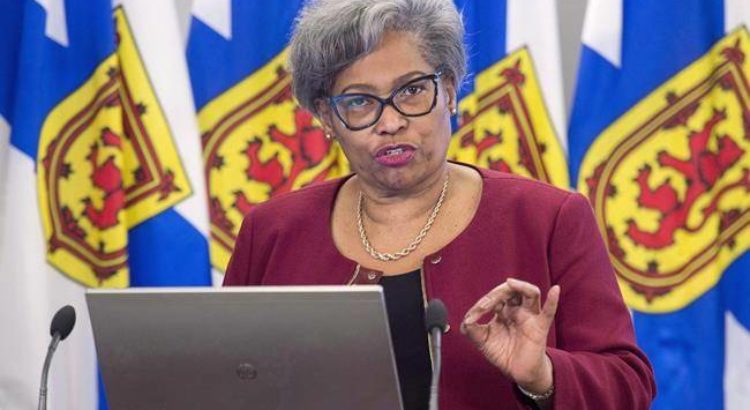
Proposed legislation that would radically change the administration of Nova Scotia’s school system was derided as “undemocratic” and “unneeded” Monday as critics lined up to condemn the bill before a legislature committee.

More than 60 speakers were scheduled to make presentations before the law amendments committee on Bill 72, which would largely implement reforms recommended in a recent report by education consultant Avis Glaze.

Among other things, the legislation would eliminate the province’s seven English language school boards while revamping the membership of the 9,600-member Nova Scotia Teachers Union to remove about 1,000 principals, vice-principals and senior supervisors.

Union president Liette Doucet called on the government to remove provisions that would shift administrators from the union to an affiliated association.

“This is punishment, pure and simple, for the strong role that principals, vice-principals and administrators have played in the NSTU since its inception, up to and including work-to-rule last year and the first provincewide strike of the NSTU,” said Doucet.

She said the change would rob school administrators of basic protections, including the right to challenge discharges, suspensions or demotions for just cause.

It was a change of tone from last week when Doucet said there was hope of a new start for the union’s relationship with the government. On Monday, she said trust would once again be an issue if the legislation is passed as is.

“We can never trust that a collective agreement — a contract — is worth any more than the paper it’s written on. This government’s strong-arm approach to unions and collective bargaining has the potential to destroy collective bargaining in this province for the foreseeable future.”

Peter Day, a middle school teacher from Sydney Mines, N.S., said there was nothing in the legislation that would improve student achievement.

“The recommendations of the Glaze report are a fabricated solution to a crisis in education that does not exist,” he said, adding that the closing of school boards was “an attack on democracy.”

Day said more human resources — including teachers, speech language pathologists and social workers — would make a bigger difference in schools than administrative changes.

Suzy Hansen, a member of the Halifax Regional School Board, told the committee she opposes the elimination of boards as an African Nova Scotian with six children in the school system.

Hansen said she was worried about the unintended consequences on “the achievement gap” between the academic performance of African Nova Scotian children and other students.

“We are unaware of what policies are going to be kept and what aren’t going to be kept,” said Hansen. “There definitely are things that need to be addressed, but doing a clean sweep and an abrupt change so quickly is not going to help. It’s only going to push us back further.”

While most of the early speakers before the committee spoke against the legislation, consultant Paul Bennett spoke in favour of it, although he said it could be improved.

Under the legislation, the Acadian school board would remain in place, while the other boards would be replaced by a new Provincial Advisory Council of Education composed of 15 members representing all regions of the province.

School board offices would remain in place, but they would become regional education centres that would continue to make regional and local decisions, although the superintendents would report to the deputy minister of education. There would also be local advisory councils under the proposed model.

“I think you need to consider the regional centres and the executive directors of education. I really don’t think they are going to be sufficiently strong to represent the public,” Bennett said.

He said regional school advisory councils should be governing bodies to make them more accountable.

“Phase out the school boards, yes — decentralize decision making, restore democratic accountability and we’ll all be further ahead,” he said.

Meanwhile, a small group of protesters gathered outside the legislature to call on the government to pause the legislation.

“Nova Scotia is losing 57 elected women and removing African Nova Scotian and Indigenous voices from local decision-making,” the group said in a news release.

The legislation could pass final reading as early as Wednesday.

From: https://www.thechronicleherald.ca/novascotia/1550595-glaze-inspired-education-bill-subject-to-heavy-criticism-in-committee-hearing

Comparte este contenido:

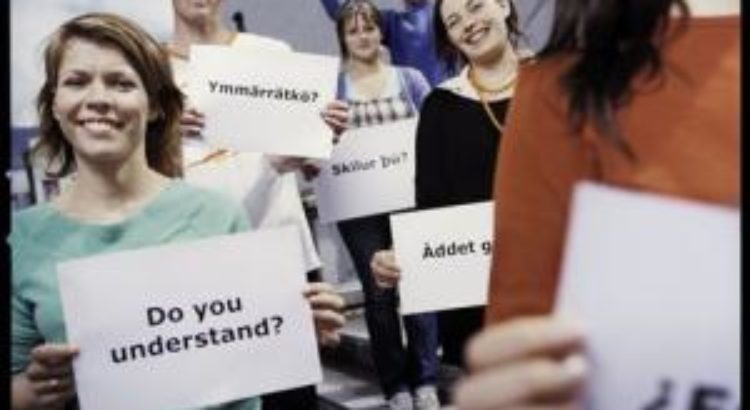
Increased quality is main goal in the internationalisation of Norwegian education

Norway /05.03.2018 / By: sciencenordic.com.

Quality development is often stated as a main goal in Norwegian universities and university colleges’ strategies on internationalisation. Ideals such as solidarity and personal formation are less present.

These are some of the findings in a new report conducted by the Norwegian Centre for International Cooperation in Education (SIU). The report reviews the international strategies of 36 Norwegian institutions of higher education.

Reflects National Policy

“In the report we examine how the institutions write about internationalisation in overall strategic documents. There is a huge variation in how they approach this theme, but the strategies have in common the fact that they are reflecting national policy statements”, SIU-researcher Margrete Søvik says.

Quality development is the man reason for internationalisation, according to the strategic documents. The most common approach to the notion of quality is to define internationalisation as a tool for quality improvement through comparison, and that recognition across borders in itself is a sign of quality.

This corresponds closely with Norwegian national policies, and is in line with the sectorial goals for the institutions, and for the Ministry of Research and Education. Here it is stated that the institutions should offer education and research on a high international level.

The strategies also mention the social mission and access to resources as important rationales. The idea is that competition of talent and resources strengthens the institutions and enables them to contribute to a global knowledge society, through internationalisation.

“Solidarity, peace and personal formation, classic ideals in internationalisation of higher education and research, are less commonly present in the strategic documents”, Søvik says.

“This also reflects the development in other countries, where financial concerns create the incentives for educational institutions to cooperate across borders.”

Joint degrees and mobility

According to the report, the issues most frequently stressed in the area of education are mobility, internationalisation at home, English‐taught courses, institutional cooperation and joint degrees.  In the field of research, networks and mobility are the issues mentioned by most institutions.

The institutions are divided into two main groups: The first group clearly uses the strategy as a marketing tool, while the other group seems to form their strategy specifically targeted at the government.

“It seems that the strategies are not specifically made to be used as internal management documents. However, the report analyses the central strategies, and we have not thoroughly examined how the documents are used by within the institutions”, Søvik says.

Social responsibility

While the main universities aim to participate as global actors through internationalisation, many of the University Colleges see external cooperation as a social responsibility – strengthening the local community and the local industry by linking them to global society.

One example is Lillehammer University College, writing “by international cooperation the University College wishes to contribute to internationalisation of the region.”

The four oldest Norwegian universities (Bergen, Oslo, Trondheim, Tromsø) have ambitions of solving global challenges within areas like climate and health through internationalisation. The University of Oslo states that they “… strives to participate in meeting the global challenges of today…”.

Russia priority

Geographically, the strategic documents follow national priorities and financial sources available. In general, Europe stands out as the main area of interest. This is with the exception of the institutions of northern Norway, having Russia as their main priority.

It is natural that these institutions look to Russia, according to SIU researcher Dag Stenvoll, co-author to the report.

“Politically and location wise, cooperation with Russia is obvious for these institutions. There are also a number of funds available for these kind of projects, for example through SIU and the Norwegian Research Council”, he says.

From: http://sciencenordic.com/increased-quality-main-goal-internationalisation-norwegian-education


Comparte este contenido:

On the digital highway: E-learning can help India leapfrog into a knowledge economy

By Ranesh Jha.

While we have seen currency changing forms — coins to paper and now the newer crypto variants — knowledge and education continue to remain the most important currency of every society. India is no exception. With a growing urban base, increasing Internet penetration, and rising millennial population, India is on the cusp of a major digital transformation.

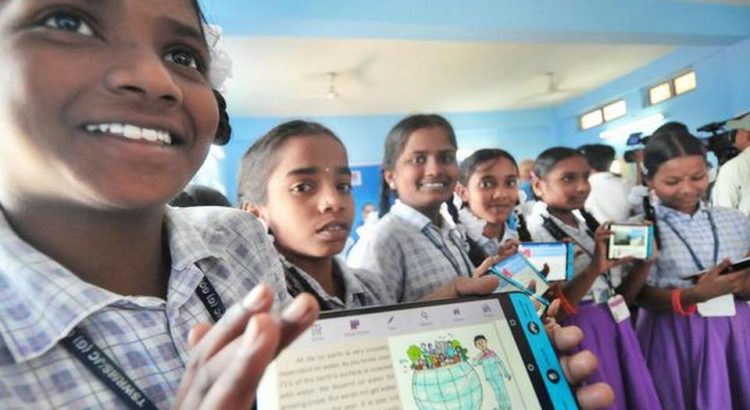
E-learning has the potential to be a harbinger of social change in India. With more than 400 million Internet users and more than 330 million connected smartphone users, and being a country for the second most social site users, India has immense opportunity to grow and tap the potential of technology in the field of education.

Breaking barriers

There is an increasing realisation that initiatives like Digital India will have a major role to play in shaping e-learning in India. With focus on delivering education through digital platform, there is an opportunity to access learning sources through a global platform, providing accessibility to teachers as well as students, which can break socio-economic barriers to gaining quality education.

However, to achieve the same, there is a need to have a targeted approach to improving education through digitisation. Integrating technology to our large and complex school system can have a major impact. In the academic field, development of e-learning teaching strategies that encourage greater engagement and also take into consideration different learning styles can help improve teaching effectiveness and academic achievement.

Culture of learning

The rate at which new technologies are being developed and adopted around the world is accelerating. While this acceleration of change gives us new opportunities to improve the learning process, we must not ignore what we have learned about good pedagogy from centuries of experience.

Looking back, we have the example of equity and quality of education in ancient India which is unparalleled. From higher philosophy, which was usually referred as darshan shastra, to subjects like literature and science, vocational training had a very important place in our ancient education system.

In medieval times, different education models were experimented with. However, the core system remained resilient and unchanged. In India, close relationship existed between the pupil and the teacher.

The teacher paid individual attention on his students and taught them according to their aptitude and capability. We also find evidence of modern day skills deeply embedded in our ancient education system, such as memorisation, critical analysis, introspection, storytelling, hands-on method, and seminars.

Way forward

The next few years will see India leapfrog in the field of education aided by technology. In the journey of reshaping education in India, it is important that a structure is put in place. There is a need for collective and equitable public-private partnership to address the large gap.

The ecosystem should be spruced up to make teaching a profession of choice and not something that ‘happened by chance’. Teachers should be empowered in terms of improved competencies, better growth opportunities, and a sense of fulfilment. Furthermore, the education system should support the start-up ecosystem, and learning should be geared towards competencies.

Much like in e-commerce and telecom models, we are seeing innovations and ideas that are India-specific. And these very ideas will increase the relevance of content, delivery, and access across the country.

This will, in turn, lend itself to shaping the global e-learning industry as well. We are surely looking at exciting times ahead.

From: http://www.thehindu.com/education/on-the-digital-highway/article22917060.ece

Comparte este contenido:

Norway prioritises aid to support girls’ education, but forgets the jobs

Norway /05.03.2018 / By: sciencenordic.com.

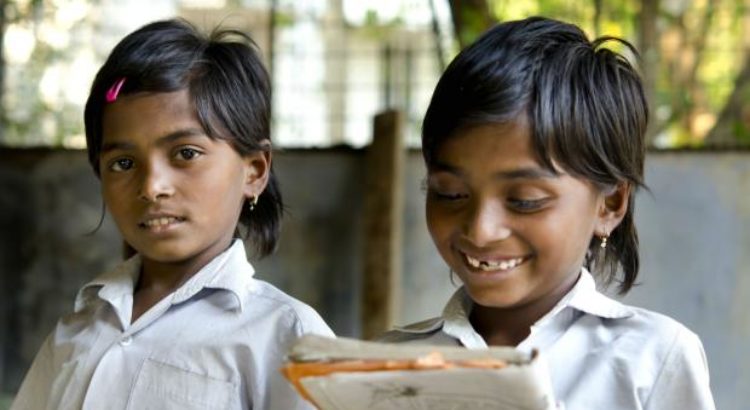
Can education meet girls’ challenges in development countries? Not on its own, according to researchers behind a new report. They call for more goal-oriented measures to combat inequality.

“Together we will continue our efforts to ensure that all children and young people have access to education, especially girls who are still being excluded,” said Minister of International Development Nikolai Astrup as he announced Norway’s contribution to a global effort towards education earlier in February. A few weeks before, women’s entry to the global labour market was one of the most important topics for Prime Minister Erna Solberg when she met with the world’s state and business leaders at World Economic Forum in Davos.

Thus according to Norwegian politicians, equality is an important issue. And their words are also in accordance with reality, if we are to believe the figures presented by researchers Tone Sommerfelt and Anne Hatløy from the research institute Fafo, at the launch of the new report Efforts to ensure girls’ rights in Norwegian development cooperation.

Prioritises education

Norway has doubled its aid to so-called girl related projects – projects in support of girls’ rights and living conditions – from 2011 to 2016. But what does this support consist of? And do the measures have any effect? These questions formed the basis of Sommerfelt and Hatløy’s analysis of the role of girls and equality in Norwegian development aid policy between 2011 and 2016.

The researchers studied Norwegian development aid policy within the areas education, health, private enterprise development, humanitarian aid, sexual violence, forced marriage and other harmful practices targeting  women. The conclusion is clear: Education is the uncontested winner.

The financial support for girls’ education is almost quadrupled during the period in question. The researcher particularly commend Norwegian authorities’ support for girls’ education in crisis-stricken areas, through the project Education cannot wait.

Education – the solution to everything?

According to the report, the emphasis on education comes at a price. Norwegian authorities consider education a catalyst for employment, poverty decrease, health improvement and democratisation.

But the idea that education has positive spin-off benefits for other women political questions is too easy, Tone Sommerfelt explains.

“Today’s development aid policy is based upon a theory that if you put the girls in school they will avoid involvement in harmful practices such as forced marriage and child labour.”

During the launch, Gro Lindstad from the organisation FOKUS – Forum for Kvinner og Utviklingsspørsmål (FOKUS – Forum for Women and Development) emphasised that if we don’t take other factors into consideration, the result might be that the girls don’t get a job, but rather a higher bride price.

According to the report, one of the greatest challenges with today’s development aid policy is that the emphasis on education and vocational training for girls is not reflected in the government’s work with global business development and job creation. It is one of five prioritised areas of the development aid policy in White Paper 24, 2016-2017.

“It is striking that – although there is an emphasis on vocational training in the government’s priorities on global education – the potential benefit of prioritising girls’ education and vocational training is not included in the presentations of the strategic area of private sector development and job creation in any clear manner,” the report states.

“When politics turn away from aid and towards business development, the political attention is also drawn away from gender,” says Sommerfelt.

“In the public debate both internationally and in Norway, politicians and relief workers talk about the importance of bringing women into the business sector. But concrete measures and opportunities for securing jobs for girls are lacking.”

According to her, the problem is not that Norway does not prioritise education; the problem is rather how this prioritisation is motivated.

“The government might want to prioritise education now. But then they can’t try to solve every other problem at the same time.”

Call for a comprehensive strategy

Sommerfelt and Hatløy argue for a more holistic approach to women’s and equality issues in development countries. Moreover, the development strategies need to a larger extent to acknowledge that gender is important in order to fully understand educational trends.

“Attending school is important, but we also need to understand why the drop-out rate is so high in many development countries. It may have to do with class, caste, religion, functional abilities and various personal stories.”

“In many parts of the world, people are more grown-up in secondary school than we are here. Therefore, it is necessary to integrate vocational training and work related questions at an early stage.”

Efforts to prevent child marriage and forced marriage are important in Norwegian development aid policy. Yet Sommerfelt and Hatløy were unable to find any concrete measures to prevent such practices.

Additionally, the researchers call for a more goal-oriented policy to prevent child labour. According to them, gender should be taken into consideration here too.

“We need goal-oriented measures in order to reach vulnerable girls in complex situations, such as girls who have to leave school to get married,” says Sommerfelt.

She explains that the purpose of the report was to draw attention to the choices that are made in the development aid policy rather than to judge these choices. She is optimistic about the future policy.

“Minister of International Development Nikolai Astrup made it clear during the launch of the report that the government intend to put in more efforts in the work against forced marriage. That is positive,” she says.

Need for new eyes on the concept of justice

In the autumn of 2015, the UN passed the so-called 2030 Agenda for Sustainable Development, with its seventeen goals for sustainability.

Whereas goal number five is to achieve gender equality and strengthen women and girls’ rights, goal number thirteen is to secure good health and well-being for people of all ages. The goals acknowledge how financial, social and environmental concerns are interconnected, and they thus open for a new approach to how social inequality is created, the researchers write.

As with the sustainability goals, Norwegian development aid policy defines gender and equality matters as cross-cutting concerns, meaning that they are to be promoted in all development political projects. From such a perspective, it is positive that health and education are prioritised by Norwegian authorities, since they emphasise how these areas together may have a positive effect on girls’ lives.

Nevertheless, Sommerfelt thinks Norway has potential for improvement when it comes to the concept of social inequality. According to her, we need to look at the underlying concept of justice in the policy.

“It is important to look at the sort of reasoning that makes education a core issue. This is a global trend, but it is also a result of an understanding of justice that puts emphasis on equal opportunities rather than  social redistribution.”

“We have to dare to pose the question whether education in itself creates equal opportunities,” she says.

In addition to looking at gender and equality as cross-cutting concerns, the government needs to introduce extra measures to pursue the sustainability goals’ life-cycle perspectives on gender and inequality.

“It then becomes clear that gender issues are not only about women versus men, but also about elderly women’s control over the younger. This may be used as a positive force in the employment market, for instance through mentor arrangements in order to promote female leaders.”

Climate + gender equality = the future?

How may Norway live up to the sustainability goals’ ambition to ‘integrate financial, social and environmental aspects’ in order to create sustainable development in ‘all their dimensions’? The solution lies in the intersection between climate, equality and business, according to Sommerfelt.

Although climate, renewable energy and environment are prioritised areas in Norwegian development aid policy, these fields are not parts of the researchers’ analysis. Since the equality concern is cross-cutting, it should also be included here. Yet securing girls’ rights is not emphasised in the documents analysed by the researchers.

According to Sommerfelt, gendered climate challenges create possibilities for business and job creation that need to be addressed in Norwegian development aid policy.

“We are about to see how the damming of river courses will have gendered consequences in Gambia because women no longer have access to salt water areas for picking mussels. In Haiti, one of Norway’s countries of focus for development aid, it is relevant to look at how we might include both boys and girls in the production of renewable energy.”“There is definitely still a lot of a potential out there. We’ve only just started,” Sommerfelt concludes.

From: http://sciencenordic.com/norway-prioritises-aid-support-girls%E2%80%99-education-forgets-jobs

Comparte este contenido:

Schools take up the challenge of modern moral education in Dubai

Dubai / 05.03.2018 / By: www.khaleejtimes.com.

Educators think teaching moral education to students has bec-ome increasingly important in the current age.

 These past few years, worldwide reports on shootings, rape, drugs abuse and bullying have become all too common. In Dubai alone, several students came forward with their tragic bullying stories, which have been reported by Khaleej Times this past year. A 13-year-old Dubai pupil was stabbed to death by another student in a gruesome incident. Not to mention the dokha smoking addiction among youngsters here.

With these out-of-control habits and incidents, what are we doing in order to ensure that youngsters of today know what’s right from wrong, imbibe good ethics and decision-making skills?

Educators think teaching moral education to students has bec-ome increasingly important in the current age. Moral education became a required subject for students in grades 1-9 in all UAE schools last year, after His Highness Sheikh Mohamed bin Zayed Al Nahyan, Crown Prince of Abu Dhabi and Deputy Supreme Commander of the UAE Armed Forces, gave directives for it be included in the curriculum as part of a national policy.

Khaleej Times spoke to schools on what exactly they are teaching in their moral education classes, and if they are seeing any results.

«Moral education is an essential part of the curriculum for all students. This is not only to counteract negative incidents, but as a significant duty of educators to develop all aspects of a student’s growth, not only academically. Personal and social development has to be encouraged too,» said Megha Jootla, the moral education coordinator at the GEMS FirstPoint School.

«The moral education curriculum not only focuses on the layers of support that students will have once they are in school, but ensures that all students are aware of the support available to them once they complete their education.»

Jootia said the skills they teach to students through this curriculum are applied to real life situations. The students are also encouraged to apply what they have learned in various scenarios at school: for example, at the morning assemblies, student debates, experiments, while conducting performances, setting up events, parent speeches, creating art work and in school student-led initiatives.

«These all contribute to the common goal of developing res-ponsible, mature and tolerant global citizens. There are also times when students dedicated their time to explore the four pillars of moral education and examined ways they can apply these in their own lives,» Jootia said.

At the Jumeira Bacclauareate School (JBS), students are rewarded for applying the skills they have learned in their moral education sessions during school.

The school has implemented the ‘Our Moral, Our World’ competition, where students who show their efforts get rewarded. Also, their secondary students compete in a weekly online quiz called ‘The Big Moral Education Quiz’, which asks questions about a person’s moral and ethical values.

«Moral education has always been an important part of every student’s growth, but it is fantastic to see the UAE create a focus-ed curriculum to aid its young citizens and residents become more rounded individuals,» said Roisin Mullan, Jumeira Baccalaureate School’s head of individuals and societies and moral education coordinator.

«Increasingly it has become more and more imperative that we act with good moral conduct, particularly in respect to an increasingly social media-driven world. The moral education curriculum teaches our students at JBS to act with positive intentions, helping them to avoid any form of modern day extremism.»

Schools yet to assess students formally: KHDA

Even though most schools are teaching moral education as a subject in classrooms, some are not yet formally assessing the outcomes of the subject.

This is acc-ording to the recent Indian and Pakistani school inspection report, by the Knowledge and Human Development Authority (KHDA), launched last month.

A total 31 Indian schools were inspected for the 2017-2018 year and 10 per cent of them are already well-developed in moral education, 67 per cent are developed, and in many schools, students cited moral education as their favourite lesson.

The inspection of moral education by KHDA focused on four aspects, including curriculum, teaching, learning and assessment. «Many schools are not yet formally assessing moral education. Some are trying different types of student self-assessment. Most include reference to stud-ents’ personal and social outcomes in written reports to parents,» the report said.

According to national policy, the curriculum of moral education should be built around four pillars, including character and morality, the individual and the community, cultural studies and civic studies.

The aim is to build character, instill ethical outlook, foster community and endear culture, using contexts that include the holistic environment of the school, the home, extended family and the wider community, locally and globally.

It should be taught for at least 60 minutes per week.

«Almost all schools implement one hour a week of moral education, integrated with values education and social studies, and some standalone lessons. Schools involve families and community members to enhance the curriculum,» the report said.

«Moral education is taught mainly in English, with some schools also using Arabic. Most teachers use the moral education textbooks as a base. Most teachers try to make lessons engaging but activities are not sufficiently personalised or challenging.

«Students enjoy moral education lessons when activities are engaging and personalised. They enjoy lessons that provide opportunities to explore moral concepts in their own way and at their own level. Most are able to apply their understanding to personal, local and global contexts.»

‘Knowing what is right or wrong moulds the student’s character’

Michael Guzder,Executive Principal /CEO of The Millennium School

There is no denying the fact that we are living in troubled times. Things like terror attacks and shooting on college and school campuses are almost everyday occurrences. We regularly read of mugging, shooting, rapes, plunder, knifing, stealing and robbing in almost every city and community of the world. The bigger picture – corruption and bribery, war mongering and threats – are everywhere around the globe.

Sadly, but truly, we have become so conditioned that such news has ceased to faze us any longer.

In the face of all this, it is extremely interesting to see the UAE making it mandatory to teach moral education in all schools. We are privileged to live in a forward thinking country where the leaders realise that the path to peace lies in the hands of the youth and that education is key to achieving this.

Dr Martin Luther King, Jr., said: «Intelligence plus character – that is the goal of true education.»

When we ponder on what a complete education includes, Dr King’s words of advice help us understand that pure academic knowledge and intelligence aren’t enough. Examinations, grades and marks do not alone matter.

In reality, it’s the content of one’s character that helps to ultimately determine the choices and actions an individual will ultimately take. Dr King also compared education without morals to a «ship without a compass on a choppy sea with no destination in sight.» Never a truer word was spoken.

A number of world scholars have linked the implementation of character education in schools to the improved academic performance of students. A study done in 2003, out of 600 California schools states that character education «reduced office referrals, improved attendance and test scores, increased skills for conflict resolution, lessening of risky behavior, and overall improved school climate and civility.»

Another study determined that the most commonly affected outcomes included positive impacts on socio-moral cognition, pro-social and behavioural attitudes, and problem-solving skills, among many other areas.

It is very obvious that over the years the focus of education has shifted drastically and there is no denying the  fact that our children are being taught too few moral values in school today and if moral education is included in the curriculum it is at the bottom of the list and given a cursory glance at the most. THIS MUST CHANGE. Moral values help in improving behavior, instilling respect and enhancing relationships with others.

UAE on the right track

Knowing what is right or wrong is a key element in life that shapes the character of an individual. Good moral values allows a person to make the right decisions and improve their interactions with other people. It helps to produce better human beings and this is the need of the hour. Thus the UAE is definitely on the right track. What is critical is that school heads and all staff buy into this and embrace it wholeheartedly.

The initiative of teaching moral education and making it compulsory aims to instil ethical values among UAE school students and to promote such concepts as tolerance, respect, love and community participation – values that are much needed in today’s society. It hopes to develop a spirit of entrepreneurship, positive interaction and responsibility, and encourage a love of learning, creativity, innovation and ambition in pupils.

The challenges of the 21st century require governments, educators and parents to work together to teach ethics and community values to young people, and build an educated, cultured society. And as educators of the present preparing our pupils for the future, it is imperative that we all must work to ensure that this important initiative succeeds.

How relevant is moral education?

Childhood is the most vulnerable period, impacting the overall development of an personality. Primary school life revolves around morals, values, ethics, etc and students imbibe them at a young age. At our school, the moral education programme is based on these elements: moralities, individual and community development, culture and heritage, civic education and rights and responsibilities. So I believe it is vital for schools to have moral education.

Hurairah F. Muzammil,Gems Our Own English High School, Dubai

Moral values reflect a person’s spirituality and disposition. Moral education enables students to develop into ethical and socially responsible human beings. The best way to inculcate values since childhood is to start learning them at school. Children should instil a sense of committment to the society, kindness, integrity and compassion, respect for others and their emotions, and caring for the environment from a very young age.

Sana Feroz, The Millennium School, Dubai

Moral education is an umbrella under which a child grows and thrives. A child of today is the future of tomorrow. Being a primary student, I observe that moral education is vital for children to do well in life. Discipline, avoiding bullying, traditions, kindness, honesty, respect for others and forgiveness helps in creating a society which thrives on positivity and good moral values.

Samay Dadlani, Gems Wellington

Back in the day, people used to live in joint families with their grandparents, aunts, uncles and cousins. All members in the family used to help the children learn important values such as patience, love, sharing, caring, sacrifice and so on. But today, the majority of families are nuclear and parents are often busy working. The children get isolated, makign them self-oriented. So adding moral education is the right thing to do at schools, which is the child’s second home. So moral education must be considered vital to the school curriculum.

Lini Nijo, parent

KT Nano Edit

Education’s moral challenges

As much as we would like, we cannot always be around our children and shield them from the hypocrisies of the grown-up world. Instilling values is important, especially since our children are exposed to different media and have access to information from around the world at their fingertips. They need to develop an understanding of what is morally right, acceptable, and what is wrong. Schools in the UAE are rightly taking a lead.

From: https://www.khaleejtimes.com/news/education/schools-take-up-the-challenge-of-modern-moral-education-in-dubai.

Comparte este contenido:
Page 112 of 144
1 110 111 112 113 114 144