Page 194 of 772
1 192 193 194 195 196 772

Earthquakes are making Japan think twice about banning smartphones in schools

Asia/ Japan/ 25.06.2019/ Source:qz.com.


To allow or not to allow smartphones in schools, that is the question. Educators around the world are struggling with this issue as it becomes increasingly obvious that mobile devices, the most practical of distractions, are deeply entrenched in our postmodern lives and are not going away anytime soon. Earthquake-prone Japan is no exception.

In Tokyo, mobile devices were banned altogether in elementary and junior high schools in 2009, and have been prohibited in high school classrooms. These limitations are finally being lifted due to safety concerns, the local board of education announced on June 20, according to the Japan Times.

The move comes after officials in the prefecture of Osaka rethought their ban on devices in schools last year. In June 2018, an earthquake rocked the region during morning commute hours, and the utility of cellphones then prompted the local government to lift its prohibition on the devices in educational institutions serving young students. In May, officials in Tokyo commissioned a report to assess whether the same action would be practical in the nation’s capital and concluded that it was, based on the prevalence of smartphones among students and their usefulness in emergency situations.

A study last year found that more than 97% of Japanese high school students already use smartphones. This means that in cases of emergency, the vast majority of teens could be located and accounted for via their devices. Now, principals at each municipal high school and junior high school will have to determine specific rules for their institutions and communicate the new guidelines to students. While some may allow smartphones in classrooms, others are free to choose to limit device use to commutes and can continue to prohibit them during lesson times.

Japan is not alone in its effort to contend with the contradictions of student smartphone use. However, its recent decisions run counter to the direction of some governments.

In France, classroom smartphone use for students ages three to 15 was banned last year. The measure was passed enthusiastically by a vote of 62 to one. “We know today that there is a phenomenon of screen addiction…Our main role is to protect children and adolescents. It is a fundamental role of education, and this law allows it,” education minister Jean-Michel Blanquer told French news channel BFMTV about the legislation.

However, some criticized the measure as unnecessary, as France banned all smartphone use in classrooms—except for pedagogical use—in 2010. “This isn’t a 21st-century law in our eyes, but a law from the era of news channels and binary debate,” said former teacher Alexis Corbière, a deputy from the left-wing Unbowed France party, according to a CNN report.

In California, Democratic assemblyman Al Muratsuchi of Torrance introduced a school smartphone bill (paywall) in March that would allow administrators to limit technology in schools. It would require local school boards to formulate policies on cellphone use on school grounds but will not dictate the rules, allowing administrators to reach their own conclusions.

“To the extent that smartphones are becoming too much of a distraction in the classroom, I think every school community needs to have that conversation as to when is too much of a good thing getting in the way of educational and social development,” Muratsuchi said after introducing the bill. He noted, too, that many school districts have already had these discussions and formulated such limitations.

In Australia, the New South Wales government also decided to limit cellphones in schools last year. After a review led by psychologists considered 14,000 survey responses and 80 written submissions, local officials determined that primary school kids will be barred from using smartphones in school to reduce bullying and sharing of explicit images. High schools have the option of deciding whether to participate in the ban and to what extent.

Education minister Rob Stokes noted that cellphones can be educational, “But they can also be dangerous and be a distraction.” ABC News Australia reported that the minister wasn’t concernedthat students would respond negatively to the change, explaining that many complaints about the technology actually came from the youth themselves, who claimed the devices were distracting.


Source of the notice: https://qz.com/1650676/japan-rethinks-school-smartphone-bans-following-earthquakes/

Comparte este contenido:

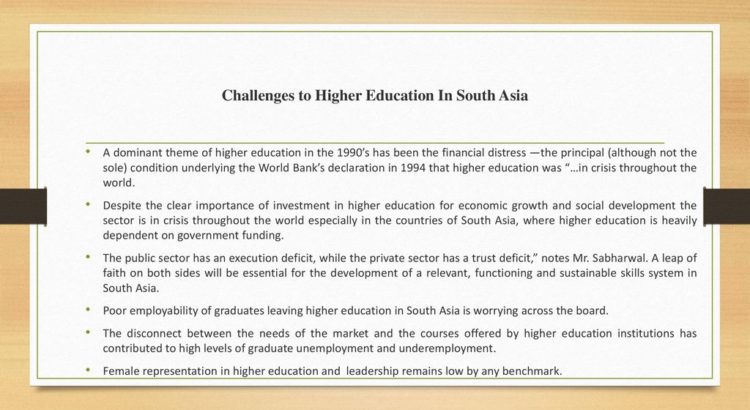
Higher education challenges in South Asia

By: Muhammad Murtaza Noor.


The southern region of the Asian continent is highly populated, diverse in nature and homeland for almost a quarter of the world population. Geographically diversity led to a variety of educational system based on national priorities. The Hollings Centre for International Dialogue assembled over fifty senior higher education leaders in Istanbul, Turkey, to comprehend the higher education dynamics of this highly populated region of the world. Importantly, delegates attending this meeting were both from South Asia as well as across the globe. The intended outcomes of four days deliberations and discussions were comprehending the higher education landscape in the region and how global partners can assist in a variety of areas related to the higher educational development of this region. The primary focus of this group was on curriculum development and reform, quality assurance, accreditation, e-learning, distance education, and building external relations with various stakeholders. The writer had an opportunity to participate in this group of academician as a member of Pakistani delegation and also shared ongoing efforts of Pakistani higher education in the areas selected for deliberations.

There was a consensus among the participants about the commonality of challenges in higher education sector not only in the South Asian region but also globally. These challenges need immediate attention, effective strategy, and collaborations inside and outside the countries. Exchange of ideas, expertise, and learning from best practices in the higher education sector, can be much helpful in addressing these common challenges in a more effective way.

South Asia is the most populous and the most densely populated geographical region in the world, with more than 1.891 billion people. It has a bulging youth population with more than 600 million under 18 years and accounts for around 25% of the world’s population and is one of the world’s fastest growing region, with growth rates approaching 7.0 percent in 2019. On average, one million people are added to the workforce each month, and the expected trend is escalating almost in the next decade. Collectively more than 1,375 higher education institutions exist in the region. Also, South Asia‘s industry and service sector are growing and creating jobs that require skilled human resources. To meet these growing challenges corroborating with population growth, there is dire need to strengthen higher education sector through increasing financial allocations, facilitating innovations, equipping youth with knowledge & essential skills and bringing higher education sector at par with international standards.

The delegates felt a need for a well-established, properly-regulated tertiary education system supported by technology like Open Educational Resources (OERs) and distance education modalities could increase access, equity, quality, and relevance, and narrow the gap between what is taught at tertiary education institutions and what economies and societies demand. The provision of tertiary education should be progressively free, in line with existing international agreements.

The speakers and panelists emphasized the student-centric higher education policies. They were of the view that universities should provide quality education, required institutional resources, incentives, and facilities for active participation in extra-curricular activities to the students at the campuses. The students also need to be equipped with essential skills of leadership, teamwork, communication, critical thinking as well as problem-solving so that they may come up to the expectations of the community, society, and industry. The importance of role of universities was also highlighted in peace-building within the country and across the region.

The higher education institutions of the Southern Asia region should ensure a systematic approach for providing accessible and effective programs and services designed to provide opportunities for enrolled students to be successful in achieving their educational goals. The institutions should offer student services, including physical and mental health services, appropriate to their mission and the needs and intended purposes of their students.

It was also discussed that being hub of ideas, innovation, and knowledge-creation, universities’ vital role need to be reinforced in inculcating the values of responsible citizenship, leadership, peace, tolerance, harmony, pluralism, and co-existence among the youth. It will only be possible through ensuring academic, financial, administrative autonomy of the universities and academic freedom at the university campuses. Too much regulation has also adversely affected innovations and creatively in the higher education sector of South Asia. The concerned higher education bodies should play a facilitative and supportive role towards universities instead of becoming intrusive one. Following the best international practices, there is also dire need to separate the functions of quality assurance, ranking, and funding in the higher education sector. Accreditation process in South Asian higher education sector, should not be complicated, lengthy, and time-consuming. The higher education quality assurance and accreditation bodies should be autonomous so that these critical bodies may perform their functions independently without any external interference. To increase access to higher education, which is still very low as compared to even other Asian countries, South Asian countries need to encourage the role of the private sector and public-private sector partnerships.

Another critical common issue which was identified by the participants was employability challenge which is being faced by a large number of graduates of most South Asian higher education institutions due to a mismatch between the market & universities and disparity within and among the universities. It was suggested that close liaison should be created between academia & industry, and necessary modifications should be made in the curriculum along with equipping the students with essential soft skills.

The role of qualified and trained faculty was highlighted in effective functioning of universities. It was recommended that maximum investment should be made in the area of faculty development and pre-service as well as in-service trainings should be made mandatory in order to train the faculty in modern teaching and research techniques.

Under the 17 Sustainable Developments Goals (SDGs) adopted by United Nations (UN), now it is the responsibility of the respective countries to ensure equal access for all women and men to affordable and quality technical, vocational and tertiary education including universities. In this regard, South Asian countries would have to take immediate effective steps through prioritizing education and providing required funds & support for equipping youth with required knowledge and skills. At the same time, they also need to learn from regional/ international experiences and best practices in higher education sector through creating close collaborations and exchange of faculty/higher education leadership.

Source of the article: https://nation.com.pk/18-Jun-2019/higher-education-challenges-in-south-asia

Comparte este contenido:

China’s Education Authority Calls for More Electives, Choice

Asia/ China/ 24.06.2019/ By: Ni Dandan/ Fuente: www.sixthtone.com.


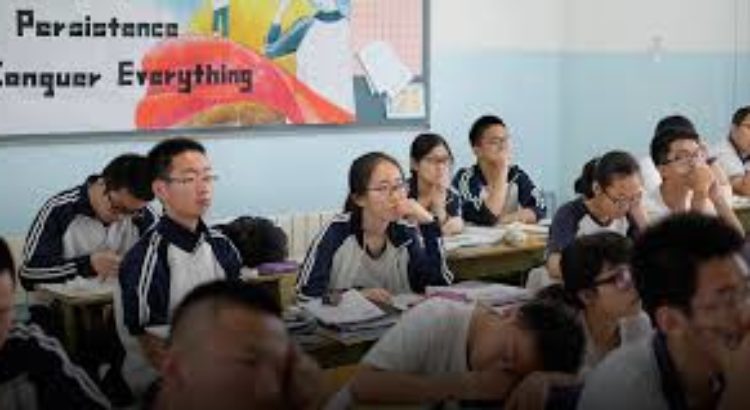
China wants more high schools to offer the elective courses known as “zouban” — literally “roaming classes” — in order to better meet students’ diverse developmental needs and interests, an official with the country’s top education authority said at a press conference Thursday.

The conference came a day after the State Council — China’s Cabinet — issued sweeping new guidelines on secondary education reform. According to a spokesperson for the Ministry of Education, the document is the first of its kind to be released since the start of the 21st century.

“Taking into account talent cultivation rules, university department admissions requirements, and students’ interests and strengths, as well as the specific conditions at each school, zouban systems should be implemented in an orderly fashion,” Lü Yugang, director of the Ministry of Education’s Department of Basic Education, said at the conference.

Local school districts around China have experimented with zouban electives to increase student choice for decades, but the system has become more widespread in recent years as provinces and municipalities continue to add elective sections to their college entrance examinations. The new guidelines represent the first time the central government has explicitly endorsed zouban and encouraged local authorities to implement the model.

In his remarks at the conference, Jia Wei, deputy director of Shanghai’s Municipal Education Commission, framed the move as a change from the current exam-oriented model of education to a more comprehensive approach. “The goal of high school studies will no longer be simply getting into a university, but also figuring out students’ interests in life and targets for their future career,” he said.

Currently, zouban implementation is carried out at the local level, meaning the systems in place and degree of choice they offer can vary. Shanghai schools require students to choose three elective zouban from a list of six potential options, with each subject corresponding to an elective section on the municipality’s college entrance exam.

In addition to advancing the zouban system, the new reform guidelines also call on schools to explore more “interactive, inspirational, and experiential teaching methods,” and state that teaching management should be optimized and student workloads eased by reducing the frequency of exams and banning schools from forcing students to take extracurricular classes.

Cao Bingsheng, a teacher at Nantong Normal College in eastern China, says he’s pessimistic as to whether the new guidelines will have the desired effect, especially if schools continue to be graded primarily on test scores.

“It’s highly difficult to ban extra classes as long as university admissions rates are still used to evaluate the performance of (secondary) education authorities,” Cao told Sixth Tone.

Education officials also used Thursday’s press conference to announce that work on new high school textbooks is almost complete. In late 2017, the Ministry of Education issued guidelines for revising the country’s textbooks, which included adding more content related to socialist core values and both traditional Chinese and “revolutionary” culture.

Source of the notice: https://www.sixthtone.com/news/1004162/chinas-education-authority-calls-for-more-electives%2C-choice#

Comparte este contenido:

For effective regulation of the country’s education system

By: Anurag Behar.


Scepticism of India’s draft National Education Policy should be suspended until it is implemented

This is the second column in the series, Glimpses Of The Draft National Education Policy (NEP). The draft NEP has received widespread responses, ranging from thoughtful endorsement and insightful critique to good-faith criticism. Some of this is in the public domain, but a lot more seems to be happening in group consultations, feedback to the human resource development ministry, etc. The final policy will be richer for all this. I am extracting some of the salient features of the NEP, with the intent to address some of the issues raised in these responses, but specific knowledge of the responses is not necessary to read through these points.

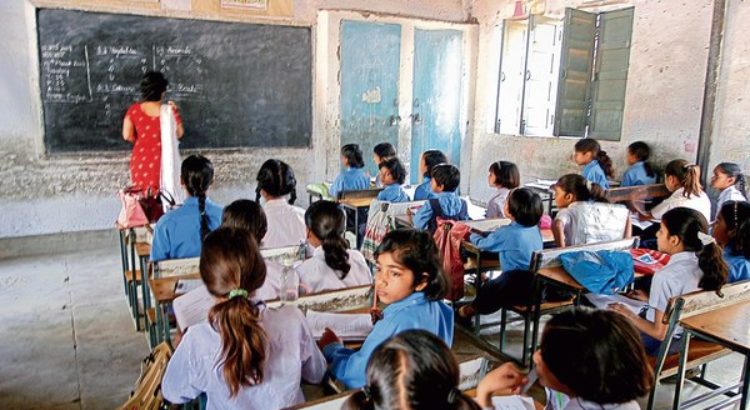
The NEP is a clear and strong endorsement of the public education system. It envisions high-quality, equitable and universal education—in and through the public education system. This is as applicable to higher education as to school education (age 3-22 roughly). Public-spirited, not-for-profit private institutions will certainly have a role in the Indian education system. However, it is the obligation of the state to provide high-quality education, and all efforts shall be aligned with this goal.

Government spending on public education must rise from current 10% of national public expenditure to 20% in 10 years. These numbers are rough estimates that indicate the direction and scale of the change required. The NEP is what the name says. It is education policy and cannot substitute the government’s fiscal policy and financial strategy. The NEP highlights the financial needs of education and does not dwell on where the money will come from, which is the business of the state.

The Right to Education Act (RTE), 2009, remains a key bulwark of school education—especially in the context of the strong reaffirmation of the state’s obligation and centrality of public education. If anything, its importance becomes deeper and broader, since the extension of the RTE from age 3 to 18, from the current 6 to 14, is envisioned as a key to enabling early-childhood-education and secondary education. The NEP explicitly endorses the continuation of Continuous Comprehensive Evaluation and the No Detention Policy in schools, taking a stand against the recent (past two years) legislative and other actions that dilute or eliminate these educationally important steps. It also directs action on the stopping of misuses and malpractices, including of 12(1)(c), for example, seeking exemption from the RTE by claiming “minority status», inflating student numbers, misrepresenting the socio-economic background of students, etc. It also calls for improvement of the RTE based on a comprehensive review of the experience of its implementation in the past decade, particularly on the matter of being responsive to local infrastructure needs without compromising safety, security and a wholesome learning environment.

“India» and “Indian» are integrated in many parts of the NEP. Some of these matters are: Indian languages, Indian literature, Indian art, Indian music, Indian knowledge systems, Indian history and context, etc. How could it be otherwise? After all, this is an education policy for India. Especially when it doesn’t do all this at the cost of ignoring the “global/modern». I can appreciate the apprehensions of some: “Is there more to this?» If the NEP text is read with an open mind, it becomes clear that there is nothing more to it than an important and valid commitment to know, understand and value our own society. The NEP takes a clear stand for a scientific temper, critical thinking and associated capacities, and for our constitutional values.

The NEP has the vision to transform the regulation and governance of the education system. Three of the key underpinning principles for this transformation are: transparent public disclosure, maximal empowerment and autonomy for institutions, and separation of roles and powers of regulation, operations, standard-setting, etc. While these principles are common to higher and school education, their manifestations are different. School education would be regulated by a newly created quasi-judicial “State School Regulatory Authority», based on a robust accreditation system, and the states’ Directorate of School Education (or Public Instruction) will only be responsible for running and improving the public schooling system. An illustrative implication of this is, Block Education Officers will have no regulatory powers; they will be responsible only for running and improving public schools. This “accreditation system» is based on, and thus empowering of, local institutions such as peer schools, school management committees and panchayats.

I have had the privilege of a ringside view of the evolution of the NEP. That gives me confidence that the draft will be enriched and revised by the constructive responses to it. Some of those responses will be the topic of the third piece in this series. I have also seen negative reactions to it. Many of these are born of a deep scepticism that committees can do their work unhindered and uninfluenced. Clearly, the final test of any policy is in its implementation, but it is important to suspend such judgement and disbelief. The NEP offers ample energy for that optimism.

Source of the article: https://www.livemint.com/

Comparte este contenido:

¿En qué países pasa más tiempo la gente leyendo?

Asia / 23 de junio de 2019 / Autor: Redacción / Fuente: HispanTV


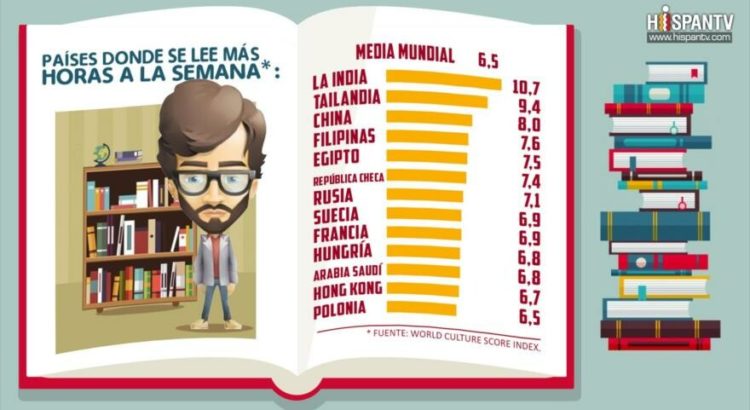
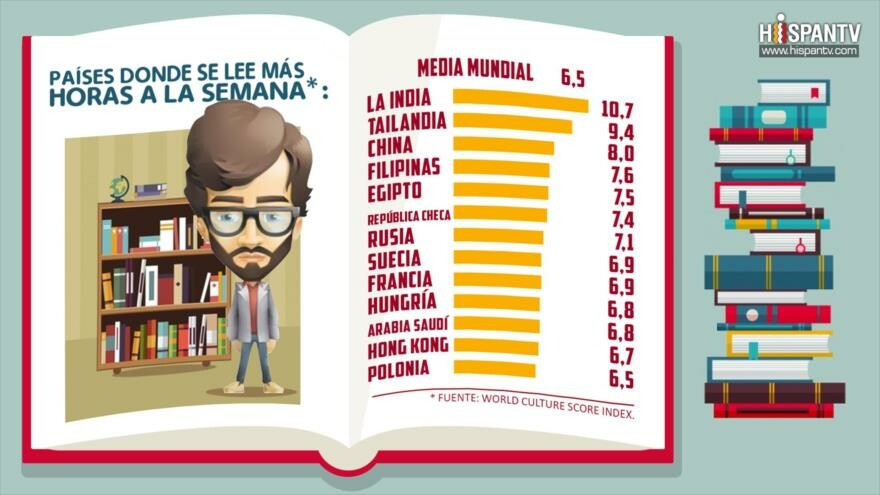
Los ciudadanos de los países asiáticos dedican más tiempo a leer que los de ninguna otra región del mundo. La India encabeza la lista, seguida por Tailandia, China y Filipinas, mientras Egipto, la República Checa y Rusia ocupan los lugares de quinto a séptimo, respectivamente.

El escalafón continúa, por orden, con Suecia, Francia, Hungría, Arabia Saudí, Hong Kong y Polonia. Los países latinoamericanos cuyos ciudadanos leen más son Venezuela (6,4 horas por semana), Argentina (5,9), México (5,5) y Brasil (5,2). Para España, esta cifra es de 5,8 horas semanales.

Esta información procede del último estudio realizado por World Culture Score Index, con entrevistas personales en profundidad hechas a más de 30.000 personas mayores de 13 años de 30 países de todo el mundo. Los datos muestran que el promedio mundial de tiempo dedicado a la lectura por persona y por semana es de 6,5 horas.

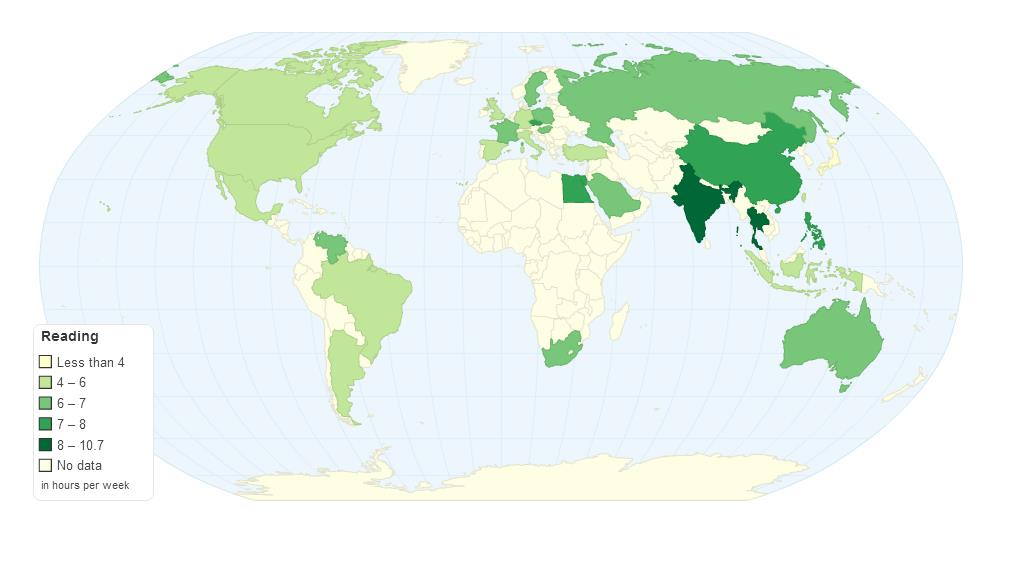
Mapa que muestra el promedio de lectura en el mundo.


Fuente:

https://www.hispantv.com/noticias/cultura/368685/asia-india-leer-libros-tiempo

ove/mahv

Comparte este contenido:

Programación del Portal Otras Voces en Educación del Domingo 23 de junio de 2019: hora tras hora (24×24)

23 de junio de 2019 / Autor: Editores OVE


Recomendamos la lectura del portal Otras Voces en Educación en su edición del día domingo 23 de junio de 2019. Esta selección y programación la realizan investigador@s del GT CLACSO «Reformas y Contrarreformas Educativas», la Red Global/Glocal por la Calidad Educativa, organización miembro de la CLADE y el Observatorio Internacional de Reformas Educativas y Políticas Docentes (OIREPOD) registrado en el IESALC UNESCO.


00:00:00 – Cientos de profesores ticos protestaron contra políticas lesivas

http://otrasvoceseneducacion.org/archivos/313343

01:00:00 – David Fernández de Arriba: “El cómic como herramienta didáctica presenta un lenguaje muy atractivo para los alumnos, en clase funciona muy bien”

http://otrasvoceseneducacion.org/archivos/312953

02:00:00 – Educación superior pública puede cubrir solo el 51% de la demanda en Ecuador

http://otrasvoceseneducacion.org/archivos/313357

03:00:00 – Condiciones para reformas educativas exitosas

http://otrasvoceseneducacion.org/archivos/313346

04:00:00 – Estados Unidos: El acoso escolar te pasará la factura… por 313 dólares

http://otrasvoceseneducacion.org/archivos/313362

05:00:00 – Otros 10 libros que todo docente debe leer

http://otrasvoceseneducacion.org/archivos/312672

06:00:00 – Libro: Violeta Parra, 100 años. Cuaderno Pedagógico (PDF)

http://otrasvoceseneducacion.org/archivos/313462

07:00:00 – Chernobil educativo en Cataluña

http://otrasvoceseneducacion.org/archivos/313376

08:00:00 – Libro: El aprendizaje en la infancia y la adolescencia. Claves para evitar el fracaso escolar (PDF)

http://otrasvoceseneducacion.org/archivos/313474

09:00:00 – “Ser un buen docente significa sacar a la luz lo mejor de cada alumno”: Rosa María Espot y Jaime Nubiola

http://otrasvoceseneducacion.org/archivos/313454

10:00:00 – Manual: Educación Inclusiva y de Calidad, Un Derecho de Todos (PDF)

http://otrasvoceseneducacion.org/archivos/313470

11:00:00 – Cómo gestionar el ESTRÉS DOCENTE con éxito

http://otrasvoceseneducacion.org/archivos/312975

12:00:00 – ¿En qué países pasa más tiempo la gente leyendo?

http://otrasvoceseneducacion.org/archivos/313372

13:00:00 – 10 mejores universidades del mundo #infografia #infographic #education

http://otrasvoceseneducacion.org/archivos/313458

14:00:00 – España: Las Universidades sufren un ‘tijeretazo’ de 9.500 millones de euros entre 2010 y 2017

http://otrasvoceseneducacion.org/archivos/313433

15:00:00 – Seis Contradicciones de la Reforma Educativa de la 4T

http://otrasvoceseneducacion.org/archivos/313368

16:00:00 – Chile: Trabajadores acusan que quieren mercantilizar la educación preescolar

http://otrasvoceseneducacion.org/archivos/313438

17:00:00 – Cinco canales de Youtube para estudiar Biología

http://otrasvoceseneducacion.org/archivos/312979

18:00:00 – Libro: Perspectivas decoloniales sobre la educación (PDF)

http://otrasvoceseneducacion.org/archivos/313480

19:00:00 – ¿Cuál es el secreto de los grandes maestros?

http://otrasvoceseneducacion.org/archivos/313443

20:00:00 – Muchos mitos: Docentes y tecnologías digitales (Video)

http://otrasvoceseneducacion.org/archivos/313488

21:00:00 – Sistema educativo del reino unido #infografia #infographic #education

http://otrasvoceseneducacion.org/archivos/313495

22:00:00 – Keleher reaparece con una columna sobre la pobreza en Puerto Rico y el efecto en los estudiantes

http://otrasvoceseneducacion.org/archivos/313451

23:00:00 – Ecología para niños. Libro infantil digital para educación ambiental. Pdf gratis

http://otrasvoceseneducacion.org/archivos/313492

En nuestro portal Otras Voces en Educación (OVE) encontrará noticias, artículos, libros, videos, entrevistas y más sobre el acontecer educativo mundial cada hora.

ove/mahv

Comparte este contenido:

Rafael Bautista: “Vemos la decadencia de un sistema-mundo que empieza a mostrarnos sus límites”

Redacción: Rebelión

Correo del Alba entrevistó al filósofo Rafael Bautista, quien nos concedió un tiempo generoso para hablar de la coyuntura internacional, la hegemonía occidental en decadencia, además de la guerra comercial entre EE.UU. y China, entre otros temas.

Pensador agudo y acucioso, Bautista analiza desde la historia a la hora de explicar las causas del declive del mundo moderno y la emergencia de una nueva correlación de fuerzas que unidas podrían ser una alternativa que rompa con la lógica imperial de dominación.

Asistimos a una pugna entre EE.UU. versus China y Rusia. ¿Qué ocurre en el mundo actual? ¿A qué se deben tales diferencias y cuál es el peligro potencial de que se profundicen?

El contexto es el de la decadencia hegemónica, ya no solo de EE.UU., sino de la disposición centro-periferia, la puesta en escena de nuevas hegemonías, potencias emergentes que no responden a la creación occidental. La única de esas potencias que podría reclamar pertenencia occidental sería Rusia, pero incluso el canciller ruso, Serguéi Lavrov, hace dos o tres años atrás –en una conferencia en Múnich– señaló ya la posibilidad inevitable de pensar un orden postoccidental.

La decadencia estadounidense no simboliza el declive hegemónico del imperio solamente, sino de todo aquello que ha hecho posible esa preeminencia imperial y eso es la constelación geopolítica centro-periferia, la determinación espacial geopolítica de la dominación moderna que empieza en 1492, con la conquista, la invasión y el despojo del “Nuevo Mundo”, de América.

Tal es la importancia principal para ver cómo esta beligerancia entre potencias no es exclusiva al interior del sistema-mundo moderno, por el contrario, se da desde la exterioridad, porque China también fue relegada y excluida de la preeminencia occidental; la India, lo mismo. Entonces, aparece China, India y Rusia. Claro, que esta última reclame un nuevo orden postoccidental es lo que nos permite sugerir que la decadencia imperial, en última instancia, es civilizatoria y afecta la preeminencia moderno occidental.

En los términos y contexto descrito es que cobra valor el concepto de crisis civilizatoria. Solo desde esa perspectiva es posible advertir que China esté trasladando o empujando la economía global hacia el Pacífico, desde un punto de vista histórico, más allá de la noción occidental. De tal manera que estaríamos advirtiendo la recuperación de la hegemonía china que solo hace dos siglos –y menos– fue relegada del concierto mundial. En efecto, vemos la decadencia de un sistema-mundo que empieza a mostrarnos sus límites y que, como dijo alguna vez Enrique Dussel, dará lugar a un orden transmoderno que no tenga como referencia a la modernidad, sino que, básicamente, sea superación de ella y por eso la emergencia de estas hegemonías o de estas potencias que no son precisamente occidentales.

Pero esas potencias, como China e India, tienen un sistema capitalista de producción.

No podemos comprender el proyecto chino desde categorías occidentales, esos son los prejuicios eurocéntricos que nos llevan a creer que China es un imperio o competencia imperial.

Para los hindúes y para los chinos ni el capitalismo ni el socialismo son fines, sino mediaciones de un proyecto nacional. Es otra vuelta para alcanzar su proyecto nacional, lo que llamaron ellos “la gran tierra”. Ciertamente China ha adoptado el neoliberalismo, pero estratégicamente ha mantenido un sistema financiero estatal y la transferencia tecnológica la ha sabido aprovechar muy bien. Pensar a China es sumamente complejo. Se sirven del capitalismo porque lo comprenden plenamente. Por eso los anglosajones en EE.UU., al creer que es meramente un remedo de lo hecho en Occidente, no saben a quién se están enfrentando en verdad.

¿Cómo ve el panorama mundial con la guerra comercial entre EE.UU. y China?

Ahora estamos viendo una guerra arancelaria. El antecedente inmediato de esa guerra es la que protagonizaron Alemania y EE.UU. antes de la Segunda Guerra Mundial. Pero eso es una aproximación bastante inmediatista o mecánica, porque también hubo muchos pormenores, lo que se estaba definiendo era la disputa imperial, quién iba a reemplazar la decadencia británica. Constituir su periferia para asegurar su centralidad es lo que pretendió Alemania para disputarle su condición de centro a Gran Bretaña. En la actualidad las cosas se complican aún más, porque si China y Rusia fuesen competencia imperial estaríamos asistiendo a un reemplazo de hegemonía en el propio sistema-mundo moderno, pero como ni Beijing ni Moscú se reclaman occidentales, es decir, están rescatando de su propia historia un proyecto nacional, lo que vemos es una descomposición de todo el orden geopolítico que ha hecho posible al mundo moderno, esto significa que ni a China ni a Rusia le interesan ese tipo de disposición centro-periferia que, en definitiva, cuesta caro.

Por ejemplo, ¿cuánto cuesta mantener un ejército norteamericano –con más de 900 bases repartidas en el mundo–? Los chinos dicen: es mucho el costo. Los chinos son comerciantes por naturaleza, tienen una lucidez al respecto de que la sangre cuesta dinero, por lo tanto es mejor pactar. En eso son bien diplomáticos. Por supuesto que requieren materias primas, necesitan expandirse comercial y económicamente, pero los chinos no están dispuestos a asumir los costos que le ha significado a Occidente mantener su centralidad.

En esta guerra arancelaria entre China y EE.UU., Occidente no tiene posibilidades de ganar. Chinos, rusos e hindúes están reconfigurando el mundo y por eso nuestros procesos deben pensar una geopolítica de modo urgente para ingresar al nuevo tablero global de modo soberano, y eso es legado de Chávez.

Hasta hace poco, el Mercado Común del Sur (Mercosur) con Venezuela representaban la sexta economía mundial –si no la quinta– y podía hablar de igual a igual con cualquier centro; ese fue el momento preciso de consolidar una apuesta de independencia, pero lo desaprovechamos, nadie entendió el proyecto de Chávez y ahora no contamos con las mejores condiciones para realizarlo.

¿Estamos en la periferia nuevamente o nunca dejamos de estarlo?

Nunca dejamos de estarlo, hoy lo estamos mucho más porque el imperio ha recuperado a Argentina, Brasil, Chile, Perú, Colombia, entre otros. Estamos rodeados. Con el triunfo de Jair Bolsonaro en Brasil, prácticamente Venezuela quedó cercada.

El capital no tiene nación”, dicen algunos…

Bueno, el capital no tiene nación, pero tiene color. Como dijo Fausto Reinaga: «Lo que importa no es el color de la piel, sino el color de la razón». En este caso la razón tiene color y el capital también, o sea, es un proyecto que tiene un locus de enunciación, es una experiencia histórica que impulsa un proyecto determinado, nace desde una experiencia que es la europea y que es la consolidación de la ciudad en detrimento del campo. El proyecto burgués moderno es citadino en contra del campo, la industrialización del campo es la negación del campesino y en nuestros países eso se ve de modo lacerante cuando el proyecto criollo-mestizo se traza desde la ciudad en contra del campo. El campesino se nos presenta como lo peor; y sin embargo, es productor de la vida.

El capital nace en la ciudad y para consolidarse tiene que negar al campo. En nuestras investigaciones estamos constatando que el proyecto moderno literalmente desprecia la vida y por eso ha reproducido una economía de la muerte en contra de la vida. Y esto es lo que hay que pensar en esta crisis geopolítica.

En ese plano, ¿Estados Unidos no mide qué es China?

No sabe qué es China y no atina en ninguna de sus opciones para bajar la preeminencia que está adquiriendo en todos los órdenes. Dicen que para el 2030 China va a superar en lo cultural, tecnológico, científico y militar a la suma conjunta de Europa y EE.UU; como puede notar, estamos a casi diez años a que supere en todo a Occidente.

Por cierto, la guerra comercial y política que está dando EE.UU., por ejemplo contra Huawei, le está jugando en contra por las tierras raras con metales preciosos que tiene China y que demanda la industria tecnológica, entre otras. De hecho, Xi Jinping ya ha amenazado al Gobierno norteamericano diciéndoles: “Si nos siguen imponiendo sanciones, no les vamos a exportar más tierras raras”. Y sin tierras raras toda la tecnología norteamericana se viene al piso, porque son minerales estratégicos, son como 19 elementos básicos para la tecnología de punta.

Eso no lo mide Donald Trump.

Mucha gente dice que Trump y compañía añoran: Make America Great Again (Haz que América sea grande otra vez). Pero no pueden lograrlo porque un proyecto económico, en primera instancia, es también cultural, y sin esta base cultural fuerte no sabes qué tipo de economía emplear. Tendrían que estar a la altura del tiempo presente para ver que lo multicultural de su sociedad se nutre de lo negado por ellos mismos y por tanto tendrían que redimir su propia historia reconociendo que esta tierra es tanto de indios, negros, inmigrantes, como de los colonizadores originales Pilgrims de los Wasp. Pero como una mentalidad colonizadora nunca va a admitir que su sojuzgado sea su igual, entonces tienen las de perder.

Trump es simplemente un portavoz de esa idiosincrasia, porque él mismo dice que es antiglobalización y de paso señala que representa al capital productivo, no al capital financiero. Ha dicho: “Han sacado nuestras empresas y toda nuestra población [se refiere a la población blanca empobrecida] se ha quedado sin trabajo, entonces vamos a hacer volver a nuestras empresas”. El problema está en que eso es imposible, porque una empresa piensa en ganar más y si retornan a EE.UU. van a perder en la competencia internacional y a nivel mercado mundial, perder es morir.

Trump ha sido atrapado por el Estado profundo. Si antes estaba asesorado por el sector marginal de la banca financiera de Wall Street, cuando ya es gobierno se nutre, para su programa económico, de Goldman Sachs. Es el Gobierno que más cambios ministeriales ha tenido, está rodeado de los más recalcitrantes y straussianos neo halcones que tiene la derecha para jugarse sus últimas cartas en una reposición hegemónica; está mostrando sin ningún tipo de diplomacia lo que realmente quiere EE.UU. Ahora, por ejemplo, Juan Guaidó y compañía han hecho que el Congreso norteamericano apruebe un proyecto de ley que –suponemos será ratificado por Trump– minará la posibilidad de que sigan funcionando los Comité Local de Abastecimiento y Producción (Clap) en Venezuela. El asedio a la Embajada venezolana en Washington es un golpe de Estado al derecho internacional. EE.UU. está revelando que nunca ha sido respetuoso de ninguna regla ni legislación internacional. Prácticamente se burlan de todos, porque ya están jugando en la sobrevivencia y cuando alguien apuesta a la sobrevivencia, la pelea es a muerte.

¿Con China y Rusia también?

Ahí tiene las de perder, porque Rusia es la cobertura nuclear de China y esta es el colchón económico que necesita aquella. El error de Barack Obama fue acercar a China y Rusia de tal modo de que ahora ambos están agarrándose de las manos porque saben que separados EE.UU. los puede hundir, pero juntos no puede hacer nada contra ellos.

¿Qué podría pasar si escala la guerra comercial?

EE.UU. siempre saldría perdiendo, porque empresas como Huawei no solamente venden celulares, sino además implementos de tecnología para muchos rubros y competencia en el mercado. Se sabe que todas las empresas apuestan por generar un margen de ganancia que les permita sobrevivir en la competencia, subvencionar. Pero Trump y el Gobierno norteamericano tendrían que subvencionar toda la producción tecnológica y eso sería a expensas de la economía nacional, la más endeudada de toda la historia de la humanidad.

Tiene que haber una salida…

Todas las salidas a esta crisis apuntan a una Tercera Guerra, que solo puede ser nuclear. Por eso pienso que es un tiempo de no pensar en salidas al estilo clásico; hay que pensar alternativas, no salidas.

¿Qué papel juega América Latina y el Caribe en este orden mundial?

Nuestro papel se ha diluido diluido desde que desaparece la Unión de Naciones Suramericanas (Unasur) y desde que Mercosur es cooptado por Brasil y Argentina, aliados a la geocolonia del dólar. Nuestro margen de acción es muy limitado. Solo Venezuela y Bolivia quedamos como baluartes de un proceso independentista, pero no tenemos peso; entonces hay que generar las mejores energías para que en Argentina y en Brasil haya un cambio, son las dos potencias económicas de Suramérica que pueden inclinar la balanza ya no a la derecha.

Fuente: http://www.rebelion.org/noticia.php?id=256985
Comparte este contenido:
Page 194 of 772
1 192 193 194 195 196 772