Page 722 of 1685
1 720 721 722 723 724 1.685

«La lección más grande del mundo»: el proyecto educativo de la ONU

ONU/01 de mayo de 2018/Fuente: http://noticias.universia.es

La erradicación de la pobreza y el cuidado del planeta es cosa de todos y es un proyecto de educación mundial.

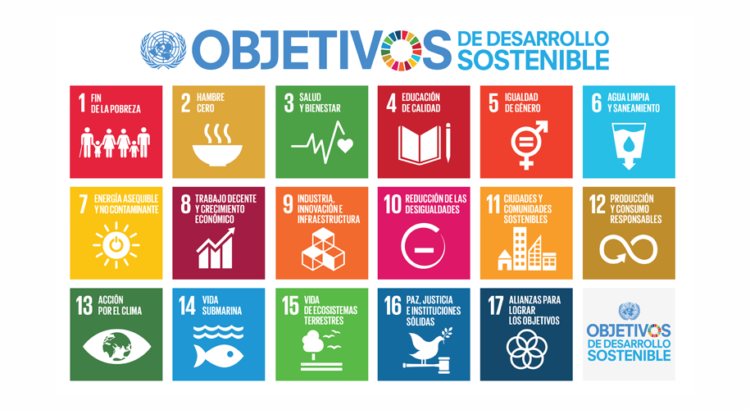
  • “La Lección más Grande del Mundo” es el proyecto lanzado por las Naciones Unidas que recoge los 17 Objetivos Mundiales para el Desarrollo Sostenible.
  • Te damos a conocer estos objetivos y las metas que persigue, porque es responsabilidad de todos colaborar para conseguirlos.
  • Este proyecto educativo conlleva que docentes y alumnos sean conscientes del valor de la educación social y que todos tenemos mucho que aportar.

«La lección más grande del mundo” es el proyecto de educación social y mundial creado por la ONU y en el que se ha dado forma a diversos objetivos para el alcance de unas metas que terminen con la pobreza extrema, apoyen la igualdad social y luchen contra el cambio climático.

Este proyecto de educación mundial necesita de una importante difusión, de manera que todos los ciudadanos conozcamos esos objetivos y trabajemos para llevarlos a cabo, tanto en nuestra faceta personal como profesional.

Objetivos Mundiales difundidos por la ONU

Es importante que conozcamos los objetivos, trabajemos en ello y los compartamos en nuestro entorno y comunidad para que más gente se una a este proyecto mundial.

1. Erradicar la pobreza en todas sus formas y en todos los lugares del mundo.

2. Luchar contra el hambre, logrando la seguridad alimentaria, una buena nutrición y promoviendo la agricultura sostenible.

3. Buena salud y un nivel de bienestar aceptable para todos los habitantes del planeta.

4. Educación de calidad, inclusiva y equitativa.

5. Igualdad de género y empoderamiento de mujeres y niñas.

6. Agua potable y saneamiento.

7. Uso de energías renovables, sostenibles y accesibles para todos.

8. Empleo digno y crecimiento económico.

9. Innovación e infraestructuras para una industria sostenible e inclusiva.

10. Reducir la desigualdad social y favorecer la inclusión de todo tipo de nacionalidades, etnias o creencias.

11. Ciudades y comunidades sostenibles.

12. Consumo responsable, siendo conscientes de las repercusiones de lo que producimos y gastamos.

13. Erradicar el cambio climático de forma urgente con medidas que frenen su impacto.

14. Cuidado de la flora y fauna acuática. Reestablecer la salud de los océanos y de la vida marina.

15. Cuidado de la flora y fauna terrestres. Promover ecosistemas que favorezcan la biodiversidad y combatan la degradación del suelo.

16. Paz y justicia, trabajando en la creación de sociedades pacíficas y dialogantes.

17. Alianzas para conseguir los Objetivos Mundiales con el compromiso de todos los países.

«La lección más grande del mundo» es un proyecto de educación social que estará vigente hasta 2030, con la esperanza de haber resuelto gran parte de estas problemáticas mundiales y que suponga la solidez de unas medidas y alianzas que favorezcan un desarrollo próspero y sostenible.

¡Es hora de ponerse manos a la obra y aportar nuestro grano de arena!

Fuente de la Noticia:

http://noticias.universia.es/educacion/noticia/2018/04/30/1159291/leccion-grande-mundo-proyecto-educativo-onu.html

Comparte este contenido:

Balance educativo sexenal. La visión del INEE. Segunda parte

Por: Roberto Rodríguez

La reciente publicación del INEE, La educación obligatoria en México. Informe 2018 (véase) reporta, con amplitud de datos y series estadísticas, un balance sobre el estado del sistema educativo nacional en los niveles de preescolar, primaria, secundaria y media superior. En el informe se examinan ocho aspectos: contexto, acceso y permanencia, infraestructura y equipamiento, gestión docente, calidad del currículo, convivencia escolar, logro de aprendizajes, y financiamiento federal al sector educativo.

El hilo conductor de la obra consiste en la exploración de las dos dimensiones centrales en la política educativa del sexenio: mejora de la calidad y de la equidad de las oportunidades educativas. La conjunción de estas dimensiones anuda en el objetivo de garantizar el derecho a la educación plasmado en el texto constitucional. Al respecto, el informe insiste en un argumento: los logros de las políticas del periodo gubernamental son significativos, pero insuficientes para asegurar que tanto la calidad como la inclusión son realidades tangibles del sistema.

En los primeros dos capítulos (Contexto socioeconómico en que se desenvuelve el sistema educativo nacional, y El derecho a la educación obligatoria) coinciden en identificar a las poblaciones en mayor condición de vulnerabilidad educativa: niños y jóvenes que viven en localidades rurales y aisladas, poblaciones en condición de pobreza extrema, población indígena o hablante de lenguas indígenas, los que trabajan o realizan actividades domésticas, y las personas con discapacidades. Para estos grupos, señala el informe, se “requieren políticas educativas dirigidas a contrarrestar los efectos adversos de sus contextos particulares a fin de garantizar que finalicen la educación obligatoria y obtengan los conocimientos mínimos necesarios para seguir su formación académica o insertarse en el mercado laboral.”

Al respecto se ofrecen dos datos ilustrativos. Primero, cada año abandonan los niveles obligatorios más de un millón de estudiantes, la gran mayoría en el ciclo de bachillerato. Segundo, la tasa de asistencia de los jóvenes entre 15 y 17 años en condición de pobreza es de 48.4%, mientras que la correspondiente a los no pobres y no vulnerables alcanza un nivel de 94.5%.

En materia de calidad y equidad de los insumos materiales, el informe arriba a una conclusión similar a la que concierne a la equidad en la distribución de oportunidades: “aquellos tipos de escuela que dan servicio a alumnos de contextos desfavorecidos son a los que suele dotárseles con menos insumos materiales o de menor calidad”. En el documento del INEE esta aseveración se ilustra con el análisis comparativo de distintas modalidades de la oferta, en donde las más desfavorecidas resultan ser las escuelas comunitarias en indígenas de enseñanza básica, así como los telebachilleratos comunitarios en media superior.

En la revisión de las prácticas de evaluación docente instauradas en el marco de la reforma, el documento reconoce dos logros importantes: el establecimiento de parámetros y perfiles de desempeño docente, y la política de otorgar las plazas de nuevo ingreso de profesores y directivos mediante exámenes. En cambio, reconoce el informe, las evaluaciones de desempeño han resultado más problemáticas. En primer lugar, porque el número de profesores que han pasado por este proceso de evaluación es bastante menor al total de maestros en servicio, y en segundo por la ausencia de criterios adecuados para evaluar el desempeño de maestros en contextos vulnerables.

Por otra parte, subraya el documento, los procesos asociados a la política docente han tenido un desarrollo insuficiente, como es el caso de las tutorías, acompañamiento, y actualización del magisterio. Quedó pendiente, además, concretar el Servicio de Asistencia Técnica a la Escuela según lo previsto en la reforma.

En materia de calidad curricular, las evaluaciones practicadas por el INEE, señalan que el vigente a partir de 2012 “tiene una estructura sobrecargada de elementos, los cuales además están insuficientemente conceptualizados, o bien, sus relaciones y conexiones son inexistentes o débiles, lo que dificulta su adecuada comprensión y aprovechamiento para el logro de los propósitos educativos”, también se indica que el nuevo modelo curricular, desarrollado a finales de este sexenio, si bien presenta algunas innovaciones pedagógicas, está sujeto a la generación de condiciones adecuadas para su implementación que, de no ocurrir, “no prosperará más allá de una loable aspiración.”

Quizás el resultado más decepcionante entre los mostrados en el informe del INEE es la inmovilidad de los indicadores que reflejan el aprovechamiento escolar en matemáticas y lenguaje durante la última década. Por un lado, los promedios nacionales en esta materia no muestra una evolución progresiva en el periodo; por otro, las brechas sociales que separan el logro académico, según las pruebas estandarizadas en los distintos niveles del sistema, comprueban que la desigualdad socioeconómica tiene una alta repercusión en los resultados, o dicho de otra manera, que la escuela no alcanza a compensar sino, en todo caso, a reproducir los déficit educativos y culturales de las poblaciones en condición de vulnerabilidad.

En resumidas cuentas, ni mejor calidad ni mayor equidad. Acaso incrementos de coberturas y mayor eficiencia terminal. Habrá que ver qué proponen los candidatos en la contienda presidencial a estos desafíos.

Fuente del Artículo:

Balance educativo sexenal. La visión del INEE. Segunda parte

Comparte este contenido:

México: 3 materias escolares que sirven para educar a un niño exitoso

México/ 01 de mayo de 2018/Por: Sonia Soto/ Fuente: http://www.dineroenimagen.com

«Que la educación financiera esté integrada, a los programas educativos oficiales, es el sueño hecho realidad de muchos de los que nos dedicamos a esto”, asegura Sofía Macías Liceaga.

La especialista en finanzas personales explica que para el ciclo escolar 2018-2019, entrará en vigor la llamada autonomía curricular, que permitirá a las escuelas adaptar los contenidos a las necesidades específicas de sus estudiantes y su medio.

Con esta autonomía curricular, las escuelas podrán elegir como materias optativa como programación, robótica, emprendimiento o educación financiera.

Por esta razón nace la serie y el libro Tengo Iniciativa que Macías realizó en conjunto con SM. El proyecto integra aspectos sociales y económicos a la educación bajo tres componentes de trabajo: habilidades sociales, educación financiera y emprendimiento.

La autora establece que el desarrollo de estas habilidades impulsa en el alumno la toma de decisiones asertivas, la creatividad y ejercer una ciudadanía económica plena.

La serie está desarrollada en tres niveles: básico (para primero y segundo de primaria), intermedio (para tercero y cuarto) y finalmente, avanzado (para quinto y sexto de primaria).

Incidencia social

Que los niños y niñas tengan un mejor futuro dependerá de que sean capaces de desarrollar proyectos que incidan social y económicamente en su entorno”, explica Macías.

A través del libro, y de manera práctica y lúdica, entenderán que sus decisiones influenciarán el desarrollo de sus comunidades. Es crucial inculcar en ellos la importancia de la responsabilidad social, la ética colaborativa y el desarrollo de habilidades financieras.

Para la vida

Macías dice que la educación financiera y el fomento al emprendimiento, son mejores que saber de contabilidad, hacer una tabla de fortalezas, oportunidades y debilidades.

Contó que al investigar encontró un marco muy robusto que desarrolló Unicef llamado Child Friendly Schools, que ayuda a generar, de manera efectiva, habilidades para la vida.

Las tres áreas que los niños deben desarrollar para tener mayor autoconocimiento, aumentar la confianza en su capacidad para tomar decisiones importantes, y realizar acciones positivas en sus vidas: habilidades sociales, emprendimiento y educación financiera, fundamentos en los que está basada la serie.

No es lo mismo

La forma en que aprenden los niños es totalmente diferente a la concepción de los adultos. Tengo Iniciativa tiene dinámicas que utilizan todos los estilos de aprendizaje de los niños, es decir, el auditivo, kinestésico y visual, que al mismo tiempo provocarán cambio de hábitos.

El objetivo es descubrir qué les importa en la vida a los niños, evaluar las necesidades de sus comunidades y finalmente, desarrollar iniciativas que mejoren su entorno, establece Macías.

Fuente de la Noticia:

http://www.dineroenimagen.com/economia/3-materias-escolares-que-sirven-para-educar-un-nino-exitoso/98584

Comparte este contenido:

La Reforma como pretexto

Por: Manuel Navarro Weckmann

Hace unos días se lleva a cabo, en el estado de Chihuahua, un paro de labores en todas las escuelas dependientes del subsistema estatal de educación motivado por una serie de inconsistencias en el pago de salarios que, en algunos casos superaba los ocho meses de retraso, el trato, así como diferencias en la interpretación de la ley en cuanto a las prestaciones que tienen que ver con la fecha que establece la propia Ley General del Servicio Profesional Docente (LGSPD) al 31 de mayo de 2015.

Al ser la primera ocasión en la historia de la entidad que sucede una movilización de tal magnitud por dicho subsistema, no dejó de sorprender a la comunidad, sin embargo, no hubo problemas de vandalismo, enfrentamientos o provocaciones al llevarse a cabo con calma, limpieza y organización.

Los problemas ya rebasaban a las promesas de cumplimiento. Solo por citar algunos ejemplos: el servicio médico se encontraba regionalizado (no se podía enfermar en una ciudad diferente a la de la adscripción); Sin mayores avisos se dejaron de asignar prestaciones como el escalafón horizontal a personal de apoyo y asistencia a la educación, así como a personal del nivel superior que no entran en la LGSPD entre muchos otras.

A pesar de que en un principio el propio Secretario de Educación encuadraba la problemática a sólo 179 casos, a los pocos días y por orden del Gobernador, se emitieron los primeros 287 cheques de pago. Ello con problemáticas de tardanza, cobro, así como irrisorios montos en algunos casos.

Por otra parte, se encuentra, las horas de Investigación y Regularización Pedagógica (IRP), las Cocurriculares, los ¾ de tiempo y, entre otras, la Plaza de Tiempo Completo Mixto (llamada Clave L), las cuales son interpretadas por la Autoridad Educativa como un Sistema de Promoción, sin embargo, son plazas que tienen indexadas un crecimiento automático al cumplir ciertas condiciones como es el caso de la antigüedad.

Ya en días pasados el propio Diputado Local Miguel Latorre, perteneciente al partido en el gobierno, expresó que “luego de la solución del conflicto se debe de llevar a cabo una limpieza de funcionarios públicos de la propia Secretaría que no hacen bien su trabajo”.

Mas allá del agradecimiento con las familias por el apoyo, tolerancia y acompañamiento, es preciso expresar que en Chihuahua existe un problema de rumbo, estrategia y administración de la educación.

https://manuelnavarrow.com

Fuente del Artículo:

La Reforma como pretexto

Comparte este contenido:

Subdesarrollo docente en educación básica

Alberto Sebastián Barragán*

La formación y actualización de profesores es muy relevante en todos los niveles educativos. En su preparación recae una gran responsabilidad para la calidad de las estrategias y actividades que se desarrollan como procesos de enseñanza, lo cual repercute directamente en la construcción de los aprendizajes de los estudiantes.

En nuestro país hay políticas educativas que han trascendido los sexenios. Por ejemplo, para educación superior, desde 1972 se impulsó el Programa Nacional de Formación de Profesores y en 1994 se creó el Programa Nacional de Superación Académica, con el objetivo de fortalecer la preparación de los académicos en ese nivel educativo, pero en 1996 fue absorbido por el Programa para el Mejoramiento del Profesorado (Promep).

Por más de 10 años, éste se aplicó con resultados positivos, por ello se retomaba cada sexenio y se amplió su cobertura a todas las instituciones de educación superior, hasta convertirse en el Programa para el Desarrollo Profesional Docente (Prodep), en diciembre de 2013, pero como se ofrecían buenos resultados, se decidió ampliar la población objetivo y agregar al programa a los docentes de prescolar, primaria, secundaria y bachillerato. Hoy el programa mantiene una tendencia favorable para educación superior, pero para el nivel básico y medio superior no se puede decir lo mismo.

El Prodep tiene una extraña configuración, porque los objetivos para cada subtipo de población son muy distintos. Por ejemplo, para educación básica, prescribe: garantizar una oferta suficiente y diversificada de programas formativos pertinentes y con calidad que atienda las necesidades que derivan de la evaluación interna de las escuelas públicas de educación básica; para educación media superior: capacitar al personal docente, y para educación superior: “contribuir al desarrollo profesional de los docentes y cuerpos académicos (…) mediante la habilitación académica y la investigación”. Los recursos y los procedimientos también son distintos para cada rango.

Sí, el Prodep tiene un buen desarrollo en educación superior, pero ¿cómo saber si cumple los objetivos para educación básica? Esta respuesta la obtendremos de la Auditoría Superior de la Federación (ASF). El 17 de enero de 2018 se emitió el dictamen de la Auditoría de Desempeño 153-DS, sobre el Programa para el Desarrollo Profesional Docente en Educación Básica, para fiscalizar el Prodep, tipo básico, y verificar la ejecución de objetivos y metas.

En los resultados y recomendaciones de 13 puntos descritos, aparecen valoraciones como: deficiencias en el diseño; subsidios no entregados; falta de diagnóstico nacional o local; no se garantizaron mecanismos de oferta pertinente; no se acreditaron cartas de participación; la dependencia no dispuso de información sobre el cumplimiento; no se acreditó haber desarrollado estrategias de distribución de materiales de estudio para personal sin acceso a computadoras o Internet; la SEP sólo contó con información de cursos y diplomados impartidos de dos de las 32 entidades; no se contó con información o indicadores para evaluar el programa; hubo una reducción de 95.5 por ciento en el presupuesto asignado al Prodep para educación básica; se capacitó sólo a 5 por ciento de la meta de más de un millón… Con todo esto, podríamos concluir que por tratarse de una vertiente del Prodep en el ejercicio 2016, a tres años de su implementación, se perciben graves deficiencias.

Pero mejor leamos aquí una cita exacta del dictamen de la ASF: “En cuanto al cumplimiento del objetivo del programa, la dependencia no acreditó contar con información, indicadores ni metas para evaluar el grado en que el programa contribuyó en el fortalecimiento de los conocimientos, capacidades, competencias y habilidades del personal educativo del nivel básico, con el fin de que este personal desarrollara el perfil idóneo.

Respecto de los recursos financieros del Prodep, en 2016, la SEP y la CNSPD realizaron 24 adecuaciones presupuestarias, que representaron una reducción de un millón 727 mil 992.5 miles de pesos, 95.5 por ciento del presupuesto originalmente asignado al programa en el nivel básico, lo cual implicó que no se alcanzaran las metas de cobertura, por lo que dichas adecuaciones no se realizaron para permitir un mejor cumplimiento de objetivos.

Más adelante, la ASF reconoce que estas deficiencias provocaron que no se lograra avanzar en la conformación del Sistema de Profesionalización Docente y afectaron el cumplimiento de uno de los propósitos de la reforma educativa de 2013, y por ello recomienda corregir, modificar o reorientar el Prodep en el nivel básico.

Por otra parte, la realidad educativa sigue en picada. A pesar de implementar los cursos Aprendizajes clave en línea, donde se justifican altas cantidades de gasto nacional para la formación continua, la plataforma se satura constantemente o no funciona y no hay asistencia para la capacitación de los docentes de la categoría básica. En general, la política de formación continua para docentes de educación básica brilla por sus deficiencias. En estas condiciones, el desarrollo profesional en este nivel educativo no se logrará en los pocos meses que le quedan a la administración de Peña Nieto.

Así arranca el modelo educativo. Hagamos bien las cuentas, porque con la información emitida en el dictamen de la ASF, todo indica que la SEP nos quedará a deber más de lo que imaginábamos.

*Jefe de redacción de Voces Normalistas

Fuente del Artículo:

http://www.jornada.com.mx/2018/04/14/opinion/017a2pol

Comparte este contenido:

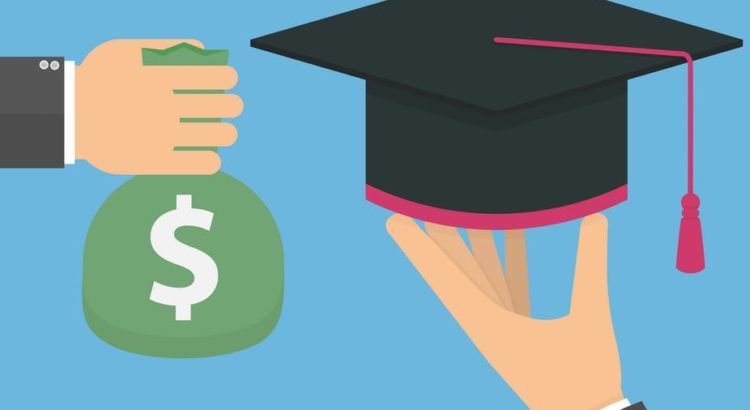
Interview: 3 vital ways to measure how much a university education is worth

By The Associated Press

(The Conversation is an independent and nonprofit source of news, analysis and commentary from academic experts.)

Mark S. Schlissel, University of Michigan; Michael H. Schill, University of Oregon, and Michael V. Drake, The Ohio State University

(THE CONVERSATION) Editor’s note: Today we begin a new series in which we ask the leaders of our country’s colleges and universities to address some of the most pressing issues in higher education.

The past several years have seen increased calls for colleges and universities to demonstrate their value to students, families and taxpayers. And the pressure has come from both sides of the political spectrum. Barack Obama, for example, didn’t mince his words when he spoke a few years ago on the University of Michigan campus: “We are putting colleges on notice…you can’t assume that you’ll just jack up tuition every single year. If you can’t stop tuition from going up, then the funding you get from taxpayers each year will go down. We should push colleges to do better.”

So how is a would-be student or a tax-paying citizen to decide the value of a given university or degree? There is certainly no shortage of tools that have been developed to help in this regard.

The federal College Scorecard, for example, is meant to “help students choose a school that is well-suited to meet their needs, priced affordably, and is consistent with their educational and career goals.”

Various magazines put together college rankings. There have been efforts at the state level to show what graduates of a given institution or program can expect to earn. And some colleges and universities are working to provide those data themselves.

So we asked our panel of presidents – from the University of Michigan, University of Oregon and The Ohio State University: If you had to devise just one tool or metric to help the general public assess the value of a particular college or degree, what would it be and why?

Michael Drake, president of The Ohio State University

When I ask individuals if they want their own children to attend college, the answer is, overwhelmingly, yes. The evidence is clear. College graduates are more likely to be employed and more likely to earn more than those without degrees. Studies also indicate that people with college degrees have higher levels of happiness and engagement, better health and longer lives.

Wow.

If living a longer, healthier and happier life is a good thing, then, yes, college is worth it.

A four-year degree is not necessarily the best path for everyone, of course. Many people find their lives are enhanced by earning a two-year or technical degree. For others, none of these options is the perfect choice. But if there is one data point I want to highlight, it is the correlation between a college education and greater life expectancy. In fact, one study suggests that those who attend college live, on average, seven years longer.

Last year was the second year in a row that average life expectancy in the U.S. went down. But greater mortality didn’t affect all Americans equally. Studies point to a growing gap in life expectancy between rich and poor. Higher education may, in other words, be part of the solution to this problem.

This is just one of the reasons that so many of our country’s institutions of higher learning are focused on the question of how to make sure more Americans have access to a quality – and affordable – college education.

Since December 2016, the American Talent Initiative, a coalition of 100 (and counting) colleges and universities, has been working to educate 50,000 additional lower-income students by 2025. In another initiative, the 11 public universities in the University Innovation Alliance are committed to producing more U.S. graduates and have, over the past three years, increased their number of low-income graduates by 24.7 percent.

As educators, we must continue to increase pathways to the American Dream — a journey that includes health, happiness, long life and, very often, a college degree.

Michael Schill, president of the University of Oregon

While it is impossible to devise only one indicator to describe the value of a university, I would suggest that a good place to begin would be the number of first-generation students it admits and the rate at which they graduate.

As a first-generation college student myself, I may be somewhat biased, but I believe that our generation will be judged by how well we enhance the opportunities for social mobility among our citizens. And despite some skepticism about the value of higher education on the part of pundits and politicians, it is well-documented that there is no better way for young people to achieve the “American Dream” than by getting a college degree.

Note that my metric is really two – first-generation enrollment numbers and graduation rates. The simple fact is that students who go to college and don’t receive a degree may well be in worse shape economically than those who don’t go at all. They will have invested time and money, yet without a diploma will not achieve the economic returns from that investment. Moreover, many are hobbled by student loans without the economic wherewithal to repay them.

It is easy for universities, colleges and community colleges to admit large numbers of students from modest backgrounds. That happened in the for-profit sector. However, the graduation rate at for-profit institutions is only 23 percent, compared to the 59 percent rate overall. The hard part is to support students so that they can succeed.

First-generation students make up a third of college undergraduates in the United States. They are more likely to be minorities and to come from low-income households, and are far less likely to graduate than their peers who had one or more parent attend college. We can do better.

Part of the solution is for more universities to provide more adequate need-based financial assistance, but even that isn’t enough. College can be a confusing experience for first-generation kids, both in terms of learning how to succeed academically and “fitting in” socially. Real value will accrue to students and American society only if we can provide them with appropriate advising and counseling so that they not only get in, but persist and flourish.

Mark Schlissel, president of the University of Michigan

To devise one metric to help the public assess our value, we need to challenge ourselves the same way we challenge students in our classrooms and labs. Let’s first determine the right question to ask. What are our students looking for in life and how can a college degree change the quality and trajectory of their lives?

Higher education gives graduates the best opportunity to pursue their ambitions, change careers, define and solve complex problems, and persuade and lead others. College graduates enjoy higher salaries, qualify for further levels of education and are at a lower risk of ending up in jobs that become obsolete. Moreover, they lead richer and fuller lives – happier, healthier, wealthier and longer.

Each of these outcomes is a component of the value of a college education, yet none of them alone fairly captures its full value. In considering these metrics together, in the context of our question, I believe that one very important concept emerges.

That concept is freedom.

Freedom’s link to education has long been a quintessential American value. As the educator and philosopher John Dewey wrote at the beginning of the 20th century, “We naturally associate democracy, to be sure, with freedom of action, but freedom of action without freed capacity of thought behind it is only chaos.”

At its best, higher education gives us the freedom to make decisions based on our values, desires, human talents and willingness to work hard. We are free to choose our own path.

Education takes freedom beyond its status as a legal right and elevates it into a lifetime of choices. It’s the trajectory of those lives, changed by the opportunities available through a college education, that I am most interested in measuring.

The American public rightfully expects higher education to serve as an enabler of prosperity and equality. I would devise a metric that captures higher education’s greatest potential: to enhance the freedom of an individual graduate in a nation founded on constitutionally guaranteed rights of life, liberty and the pursuit of happiness.

Editor’s note: The Ohio State University is a member of the University Innovation Alliance. The University of Michigan and The Ohio State University are members of the American Talent Initiative.

This article was originally published on The Conversation. Read the original article here: http://theconversation.com/3-vital-ways-to-measure-how-much-a-university-education-is-worth-94208.

Source:

https://wtop.com/education/2018/04/3-vital-ways-to-measure-how-much-a-university-education-is-worth/
 

Comparte este contenido:

Unfashionable Fascism: Mainstream Politicians Switching Sides Under Trump’s Regime of Barbarism


Madeleine Albright, without irony, has written a book on resisting Fascism. She has also published an op-ed in the New York Times pushing the same argument. Albright is alarmed and wants to warn the public to stop the fascism emerging under the Trump regime before it is too late.[1]  Unfortunately, moralism on the part of the infamous and notorious is often the enemy of both historical memory and the truth, in spite of their newly discovered opposition to tyranny.   It is hard to believe that a woman who defended the killing of 500,00 children as a result of the imposed US sanctions on Iraq can take up the cause of fighting Fascism while positioning herself (or being positioned by the mainstream media) as being on the forefront of resistance to US authoritarianism. Here is what David Rieff writing in the New York Times says about the sanctions Albright justified: “For many people, the sanctions on Iraq were one of the decade’s great crimes, as appalling as Bosnia or Rwanda. Anger at the United States and Britain, the two principal architects of the policy, often ran white hot. Denis J. Halliday, the United Nations humanitarian coordinator in Iraq for part of the sanctions era, expressed a widely held belief when he said in 1998: ‘We are in the process of destroying an entire society.’ It is as simple and terrifying as that.”[2]Is any policy worth the death of 500,000 children?  She is not alone.

Hilary Clinton, known more politically as a former war monger and an unabashed ally of the financial elite, has also resurrected herself as a crusader in fighting the creeping fascism that now marks the Trump regime. Speaking with Ngozi Adichie at the PEN World Voices Festival, Clinton appears to have completely removed herself from her notorious past as a supporter of the Iraqi war and the military-industrial-financial complex in order to sound the alarm “that freedom of speech and expression is under attack here in our own country” while further calling for numerous voices to make visible the creeping authoritarianism in America.[3] This is an odd flight from memory into the sphere of moral outrage given her own role in supporting domestic and foreign policies both as a former first lady and as Secretary of State that refused to punish CIA torturers, lavished funds on the military war machine, shredded the federal safety net for poor people, and endorsed neoliberal policies that offered no hope and prosperity “for neighborhoods devastated by deindustrialization, globalization, and the disappearance of work.”[4] No irony here. Just the opposite. Her critique of Trump’s fascism does more than alert the public to the obvious about the current government, it also legitimizes a  form of historical amnesia and a long and suppressed legacy of cruelty and human misery. She is not alone.

The U.S. and its Vichy Republican Party has drifted so far to the fascist right that people such as Albright and Clinton come across as the heroic vanguard of a political and ethical resistance to fascism. Under such circumstances, even some outspoken Republicans, again without irony, such as Flake, Corker and McCain are viewed in the mainstream press as principled heroes in spite of the fact that they have supported Trump’s domestic and foreign policies, including his tax reform bill and his cruel and obscene budget, which not only offers $700 billion to the military but condemns millions of people to a life of misery and suffering. While the call to resist fascism is to be welcomed, it has to be interrogated and not aligned with individuals and ideological forces that helped put in place the racist, economic, religious, and educational forces that helped produce it.

I am not simply condemning the hypocrisy of mainstream politicians who are now criticizing the emerging fascism in the United States. Nor am I proposing that only selective condemnations should be welcomed. What I am suggesting is that the seductions of power in high places often work to impose a silence upon people that allows them to not only benefit from and become complicit with authoritarian tendencies and anti-democratic policies and modes of governance, but also once such people are out of power their own histories of complicity are too often easily erased, especially in the mainstream media. Regardless of such a newly found stance against fascism, such actions do nothing to help explain where we are and what we might do next to resist the fascism that has now engulfed American society and its economic, cultural, and political institutions.

What is often unrecognized in the celebrated denunciations of fascism by celebrity politicians is that neoliberalism is the new fascism. And what becomes invisible in the fog of such celebration is neoliberalism’s legacy and deadly mix of market fundamentalism, anti-intellectualism, rabid individualism, white supremacy, toxic masculinity, and all embracing quest for profits. The new and more racist, violent and brutalizing form of neoliberalism under Trump, has produced both a savage politics in the US and a corrupt financial elite that now controls all the commanding institutions of American society including the state. In other words, what disappears are the very conditions that have made possible a new and more feral American-style fascism.   Systemic corruption, crassness, overt racism, a view of misfortune as a weakness, unapologetic bigotry, and a disdain of the public and common good has been normalized under Trump after gaining strength over the last 50 years in American politics. Trump is merely the blunt instrument at the heart of a fascistic neoliberal ideology. We need to be wary, to say the least, about those mainstream politicians now denouncing Trump’s fascism who while in power submitted, as Stanley Aronowitz puts it, “to neoliberal degradations of health care, jobs, public housing, and income guarantees for the long-term unemployed (let alone the rest of us).”[5]

What is often ignored in the emerging critiques of fascism is the history of neoliberalism’s legacy coupled with the mainstream media’s attempts to foreground many if its architects and supporters as celebrated opponents of Trump’s fascist government. Trump is the extreme point of a long series of attacks on democracy and former politicians such as Albright and Clinton cannot be removed from that history. None of these politicians have denounced state violence, nationalism, the myth of American exceptionalism, and the forces that produce obscene inequality in wealth and power in the US, or the oppressive regime of law and order that has ruled America ruthlessly and without apology since the 1980s.

Unchecked and systemic power, a take no prisoners politics, and an unapologetic cruelty are the currency of fascism because they are the wedge that makes fear visceral and violence more than an abstraction. This lethal combination is also a pathological condition endemic to brutal demagogues such as Trump. They demand loyalty not to an ideal that expands the meaning of justice and democracy but loyalty to themselves, one that stands above the truth and rule of law. As The Economist points out, “Trump demands loyalty to himself and to the prejudice and rage which consume the voter base that, on occasion, even he struggles to control. In America that is unprecedented and it is dangerous.”[6] This combination of a demand to an insular notion of loyalty and their penchant for cruelty offers such demagogues not only a terrifying symbol of their unchecked power but also the emotional rush that may provide one of the few options for them to feel any emotion at all.  Cruelty also feeds on irony and cleanses the past of the conditions that allow the mobilizing passions of fascism to bloom. The call to resist fascism is welcome but also complicated and cannot be separated from acts of bad faith that cleanse the historical record of the forces that helped produce it. The public imagination withers under the assault on historical consciousness and the institutions that nurture it.

The fight against fascism is part of a struggle over memory and those critical narratives that refuse to be couched in a form of historical and social amnesia. It is also a fight over the public spheres and institutions that make civic literacy, the public imagination, and critical consciousness possible.  This suggests both a struggle to reclaim historical consciousness and to expose the forces that are and have been complicit with the long standing attack on democratic institutions, values, and social relations, especially those that now hide their past and ideological convictions in the purifying discourse of outrage, disingenuousness, and resistance.

Any resistance to fascism has to be rooted in the call to make education central to politics with a strong emphasis on the teaching of historical consciousness and civic literacy as crucial weapons in the fight against fascism. At the same time, such a fight must take an unwavering standpoint in its refusal to equate capitalism and democracy. Such a battle has to be waged in diverse struggles that can be aligned through a common thread willing to recognize that we are at war over not just the right of economic equality and social justice but also against the powerful and privileged positions of whiteness, a toxic masculinity, and the elimination of the very notion of the social, solidarity, and compassion.

This is a war waged over the possibility of a radical democracy while acknowledging that the rich and powerful will not give up their power without a fight. Instead of listening to politicians and others deeply embedded in a system of exploitation, disposability, austerity, and a criminogenic culture, we need to listen to the voices of the striking teachers, the Parkland students, the women driving the me too movement, the Black Lives Matter movement, and others willing to make resistance visible, collective, and widespread. But we also need to connect these voices as part of a more comprehensive struggle against fascism and the diverse forms of repression that it produces.

A radical and progressive struggle against fascism needs a comprehensive vision, a struggle against economic inequality, and strategies that privilege direct action such as the wildcat strikes we have seen among public school teachers in West Virginia.  There is also a need for wide-ranging educational struggle willing to use both established and alternative institutions of schooling, digital spaces, and diverse forms of social media in order to challenge the propaganda produced by the powerful cultural apparatuses of the right such as Sinclair broadcasting, Fox News, and other establishment sources. There is also a crucial necessity to take up the challenge to educate the young and old in the new technologies and how to use them in the service of economic and social justice. At the same time, there is challenge of the left to produce its own public intellectuals who can write and speak in ways that are rigorous, accessible, and attractive to a broader public. A new politics of education is a precondition for creating a new political formation that refuses to be coopted by the liberal center and is rooted in a vision that endorses fundamental social changes in the fight against American style fascism. Such a challenge will not come from establishment politicians and pundits parading as the new heroes of the resistance to Trump’s fascism.

Notes.

[1] Madeleine Albright, “Will We Stop Trump Before It’s Too Late?” New York Times (April 6, 2018). Online: https://www.nytimes.com/2018/04/06/opinion/sunday/trump-fascism-madeleine-albright.html

[2]David Rieff, “Were Sanctions Right?” New York Times (July 27, 2003). Online: https://www.nytimes.com/2003/07/27/magazine/were-sanctions-right.html

[3] Nina Pearlman, “Creeping Authoritarianism in America: The former secretary of state spoke with author Chimamanda Ngozi Adichie at the PEN World Voices Festival,” The Village Voice (April 24, 2018). Online: https://www.thenation.com/article/hillary-clinton-does-not-deserve-black-peoples-votes

[4] Michelle Alexander, Why Hillary Clinton Doesn’t Deserve the Black Vote

From the crime bill to welfare reform, policies Bill Clinton enacted—and Hillary Clinton supported—decimated black America,” The Nation(February 29, 2016). Online: https://www.thenation.com/article/hillary-clinton-does-not-deserve-black-peoples-votes/

[5] Stanley Aronowitz, “What Kind of Left Does America Need?,” Tikkun, April 14, 2014

[6]Editorial, “What Has become of the Republican Party?,”The Economist (April 21, 2018), p. 9.

Source:

Unfashionable Fascism: Mainstream Politicians Switching Sides Under Trump’s Regime of Barbarism

Comparte este contenido:
Page 722 of 1685
1 720 721 722 723 724 1.685