Page 939 of 1686
1 937 938 939 940 941 1.686

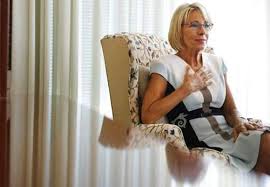
Education Secretary Betsy DeVos’ interview with The Associated Press

By The Associated Press

A transcript of Education Secretary Betsy DeVos’ interview with The Associated Press, conducted last Wednesday in her office:

___

AP: President Trump has talked a lot about undoing some of the Obama legacy. When it comes to education can you talk to us about the areas where you think you’ve been successful in this regard? What is the federal role, the federal government’s role in education and how do you accomplish those goals?

DeVOS: Well those are a number of questions. Let me start with what we believe the federal government’s role is in education and that is a much less heavy footprint than has been present in recent years. We really believe that states are the best laboratories of democracy on many fronts and we are in the middle of moving to implement the ESSA, the Every Student Succeeds Act, which really dissolves power back to the states and gives them a lot more flexibility around meeting the needs of students in their unique states and with their unique situations. And we think that there has been an overreach in many cases on the part of the federal government in really intruding on states’ issues and states’ areas of responsibility as well as trying to engineer things from the federal level in a way that is not helpful to students overall.

AP: What about the Obama legacy? Have you been successful in looking at things that were done before and were …

DeVOS: From a higher ed perspective there were a number of regulations which we think have been very onerous and have targeted certain kinds of institutions based on their tax status and has been to the detriment ultimately of both those institutions and the students that are served. Those are areas in which we are pausing the regulations around gainful employment, borrower defense repayment, and we’re really examining a lot of other regulations and letters that have been put out in the course of the last eight years to see what ones really are serving students well and are really respectful of everyone involved.

___

AP: Just to follow up on that. You talked about institutions based on their tax status, so the for-profit schools, many of them have been found to have defrauded students, that have not provided the education that they were promised and the ability to find jobs. Has the fact that President Trump had a for-profit college, Trump University, that was sued for fraud complicated your efforts in this area at all.

DeVOS: Well, I go back to what I said originally about the fact that we believe the last administration really stepped much more heavily into areas that it should not and at the expense of a broader look at all institutions. Look, we are concerned and we are, we want to make sure that students have the best chance for a bright future. That involves first of all being much more aware of the full range of options and pathways of higher education so that’s a principle that you’re going to hear the president and me and others in the administration talk more broadly about. We have not done a good job at encouraging students to look at all their options when pursuing post-high school education. Career and technical education has been sort of diminished and dismissed over many years. That is an area we believe has bright promise for many students and needs to be elevated and honored in a way that really is, notes the opportunities there. But back to your original question around students and the opportunities they have, let’s be clear, no student should be defrauded and in case of fraud there should be remedy. But we also know this approach has been unevenly applied and if there’s going to be regulation around some institutions we believe it needs to be fairly applied across the board. And so going back and going through a whole proper process to look at this area and these regulations involves really a balanced approach involving feedback and input from all stakeholders, students, institutions alike.

AP: Can you talk to us a little bit about your relationship with President Trump and Vice President Pence? How often do you see them? Do you talk to them? Do they ask for your feedback? Do you get their feedback? And also President Trump’s disapproval ratings are about 57 percent. Does serving an unpopular president complicate your efforts in your job?

DeVOS: Well, we just had the vice president here in this building on Monday. He came joined for lunch with a small group of our team and then a broader group for a little bit of conversation and discussion. As you well know, as governor, Vice President Pence was very, very involved in education issues in Indiana and as a congressman before that and has been a real champion of the work that we’ve been doing, as has the president, frankly. And my interactions with the president have been consistently very encouraging, very positive, empowering of the work we are doing here. In terms of his leadership, I think he is a very strong and effective leader, in first of all selecting strong people to lead in the various agencies and departments and then giving us the opportunity to do what we do best and that is to pursue the policies and the direction that he has set out in a broad way and that each of us have expertise in pursuing in more granular detail.

___

AP: So how often do you meet …

DeVOS: There is not a consistent pattern, but I’m expecting to talk with him very soon. I’m probably not at liberty to say exactly when. But I’m scheduled to meet with him very soon and I look forward to that opportunity.

___

AP: You took office, President Trump took office, as big proponents of school choice, of ways to give America’s schoolchildren different options of where they are going to attend school. What do you see as the best way to accomplish this, especially given some of the budget fights we’ve seen so far on Capitol Hill, and the fact that we have such polarization and partisanship in Congress.

DeVOS: The primary way to accomplish this is for states to pass robust programs, which some of them have, and more are considering, but when we recall the fact that about 92 percent of education spending originates in the states and only 8 percent from the federal level, the federal government the federal role in funding of education is certainly negligible as compared to the states. That said, I think there is an opportunity for the federal government to set a tone and I’m working to continue to do so every opportunity I have to talk about this to encourage states to look at programs within their states to consider the president’s … the president has talked repeatedly about empowering parents with more choices and we are collectively discussing the best way to implement something like that, to encourage that from the federal level without enacting a big new federal program that’s going to require a lot of administration. So those discussions are ongoing and as soon as we have something more specific in that area we’ll be happy to share that with you.

___

AP: So let me follow up on that a little bit. About a third of the states have established tax-credit scholarships as a way of promoting choice. We’ve heard a lot about tax reform as the president’s next focus in Congress, to try to get tax reform passed. Can you envision a federal tax credit scholarship program will be part of any tax reform proposal that the administration puts forward?

DeVOS: It’s certainly part of our discussion.

___

AP: Just one more question on the tax-credit scholarships and also on state voucher programs that have been established. How do you hold them accountable? How do you measure success? What would you like to see as the secretary of education that states implement to make sure that they’re doing the job that they’re supposed to be doing?

DeVOS: Well, I think the first line of accountability is frankly with the parents. When parents are choosing school they are proactively making that choice. And schools are accountable to the parents. And vice versa, the students doing well and working to achieve in the schools. I think it’s important for parents to have information about how their students are doing, how they’re achieving, how they’re progressing. And that kind of transparency and accountability I think is really the best approach to holding schools accountable broadly. It starts with holding themselves accountable to communication of relevant and important information to students and parents about how they are doing. And we know from, that when parents choose and they are unhappy with whatever the school setting is they will choose something different. And that’s the beauty of having choices.

___

AP: Given your experience in Michigan with charter schools, what are some of the lessons we can learn? What were some of the good things about charter schools there? What are some of the difficulties, challenges that you encountered, and can we solve them?

DeVOS: As you know, Michigan is limited in its offering of choice to having only charter schools so there’s no private school program choice in Michigan largely due to the fact that we have a very restrictive Blaine amendment in Michigan. But the charter school, the growth of charter school offerings in Michigan, is responding to the demand of parents and today there are still tens of thousands of parents wanting and waiting to get their children into charter schools, so the growth of them you can see has not kept up with the demand. Michigan has had a very robust accountability mechanism in that the chartering authorizers are held accountable for the performance of the schools that they charter. And there have been charters schools that have closed because of lack of enough students, so not enough parents choosing to send their child to whatever school or their fiscal performance. The fact that there have been charter schools closed I think is evidence of the fact that there is accountability. At the same time, there have been zero traditional public schools closed in Michigan for performance and I think that’s a problem. I think that’s really a problem particularly in the city of Detroit where there have been schools that have not served students well for many, many years and yet students are still forced to go there year after year after year. You know every year that this is not addressed and dramatic changes are not made, it takes a toll on the students that are forced to go there.

___

AP: I’d like to talk higher ed for a minute. In recent days, we had, there was a leak of the internal Justice job posting related to affirmative action. We see Justice is going ahead and pursuing the case against Harvard on claims of discrimination filed by Asian-American students. The Education Department hasn’t weighed in on this, on the topic of affirmative action. Do you favor affirmative action programs in college admissions?

DeVOS: Well, I think this has been a question before the courts and the courts have opined. We have not been involved with the Justice Department’s posting and again I think as they have stated, this was an internal issue and one that they are continuing to move forward on. I think the bottom line here is that we want an environment where all students have an opportunity, an equal opportunity to get a great education whether that’s at the K-12 level or the higher-ed level. And it’s our goal to see all students have the opportunity to succeed, no matter where they come from, no matter their family background, no matter their family income and that’s my goal, that’s my personal goal and I know that’s the goal of our team here at the Department.

___

AP: There has been some mistrust of you and the department among the minority communities after comments you made about the historically black colleges and universities, the action of LGBTQ, transgender bathroom issue. How do you counteract that? How do you let these communities know just what you are saying, that you are on their side?

DeVOS: Well, let me just comment on what I think was an out of context comment and a misunderstanding with the HBCUs. When I talked about it being a pioneer in choice it was because I acknowledge that racism was rampant and there were no choices. These HBCUs provided choices for black students that they didn’t have. I think that that comment was — while I could have said it, stated it much better — my intention was to say they were pioneering on behalf of students that didn’t have another choice. This was their only choice. And at the same time I should have decried much more forcefully the ravages of racism in this country. My last three decades have been working on behalf of primarily minority families and students to allow them to make choices for their kids. And to think anything otherwise, my feelings otherwise for providing opportunities for minority students is just absolutely false. I mean, that’s where my heart has been for three decades is to really empower and allow all families the same kind of opportunities I’ve had for my kids.

___

AP: Have you reached out to some of the organizations, NAACP and others to tell them what you are just telling us?

DeVOS: I’ve had these conversations with some of the African-American organizations that represent higher education, but probably not as explicitly as I am right now.

___

AP: Just to follow up. I know you said the Department of Education hasn’t been involved in that internal memo with the Justice Department. Do you personally believe that race should play a role in admissions? Race, ethnicity?

DeVOS: Well, what I believe is that we have to change the dynamic for kids on the K-12 system that for all too many kids who are minority students is failing them. It is not fair to think that when students transit through a K-12 system that is not preparing them for beyond, that somehow we are going to waive a magic wand and things are going to be perfect for them at the higher-ed level. So I’ve always said: What we should really be talking about is what are we doing to ensure that every single child no matter their family income, no matter their racial background, no matter their zip code has equal opportunities to access a quality education. We have seen decades of top-down mandated approaches that protect a system at the expense of individual students. I am for individual students. I want each of them to have opportunity to go to a school that works for them.

___

AP: When college admissions officers look at students’ applications, they look at their scores, their grades, their credits, their classes, music. Should they also look at their race when deciding whether to admit them or not?

DeVOS: Well, they are looking at that. That is a factor today. I am not going to debate that, I am not going to discuss that. What I want to discuss is the process that gets them from kindergarten through 12th grade and the fact that there are not enough choices and there are not enough options for all students to find the right niche for them. It also feeds into the higher-ed issue is incumbent on K-12.

___

AP: What will be the department’s role, if any, in that Harvard lawsuit?

DeVOS: I can’t comment to that. We are not really involved in that. I just don’t have anything additional to add to that right now.

___

AP: After your day long listening session on campus sexual assaults, you said, “We can’t go back to the days when allegations were swept under the rug,” but also added that it’s “an issue we’re not getting right? Do you plan to withdraw the Dear Colleague letter the Obama administration issued to campuses telling them what they need to do pursue investigations of allegations of assault?

DeVOS: What we are continuing to do is listen to and talk with individuals from all perspectives on this issue because as we know as a fact no matter where we’re coming from, whether you’re a survivor, whether you’re an accused individual, whether you’re part of an institution charged with navigating these issues, it is not working right and well for anyone. All the individuals I’ve talked with have said we need to have a process and a system that we know is right and fair for everyone involved. So, we’re continuing to have those conversations and are continuing to learn and to research what some of the options might be going forward. But we know we have to get this right. We have to get this right on behalf of all students. I think it goes without saying, but I’ll say it, sexual assault anywhere at any time is horrible and we need to decry it and at the same time we need to ensure that the processes to address it when it happens are done right.

___

AP: Some of our colleagues at the AP did an investigation looking at sexual assaults from K-12 and found that in a four-year period there were about 17,000 cases. So, it’s clearly not just a higher ed issue? What do you think schools need to do to educate their students about that issue and how early should that education begin?

DeVOS: I don’t think it can begin too early. Clearly, it has to begin in the home and from the earliest conversations and I think it begins with adults modeling respect for one another and I think that again the … dealing with an issue of sexual assault. It is one of end of the spectrum. The other end is how do we help foster and create environments where men and women respect one another and treat one another with respect. And that starts with adults modeling it for the children in their own families and classrooms and any environment where you have the opportunity to interact with kids.

___

AP: Should schools have a role in this?

DeVOS: Well, I think schools naturally do. I think again there is opportunity for adults to behave like adults and model the kind of behavior that we would help for children to learn and respect as they grow up.

___

What about classes in the K-12 system, like sexual education, anti-sexual assault classes?

DeVOS: Having conversation around how you treat one another is a good thing, but also know that often actions speak louder than words and so I think the opportunity to model good behavior when children are at a very young age is important. I have six grandchildren and I’m keenly aware of the opportunity I have as a grandmother and my husband as a grandfather to pour into those children. And I would just hope that all parents and grandparents are really intentional about that. They’re the primary educators. Clearly educators in the classroom have an opportunity as well but it’s not a one place, one time conversation. It’s really is a lifetime of conversation and modeling I think.

___

AP: One final question, quickly. Some of your critics call you a public school denier. You didn’t have a lot of experience with public schools before you started this job. What have you learned about public schools? What are some of their strengths? What can you learn from them? Maybe some of their successes that need to be replicated.

DeVOS: Well, I am first of all a very strong supporter of public schools, of great public schools. I know there are many schools that do a great job for the students they serve. And at the same time I know that even the best public school might not be a great fit for every single child and we need to recognize and acknowledge that. But we also need to encourage schools, public schools that are doing a great job to not rest on their laurels but to continue to improve because unless you’re constantly oriented around continuous improvement and excellence we know that there’s going to be reversion to something less than that. So it will be my continued encouragement that they are oriented around continuing to do better and better and better each and every year, each and every day, each and every month, each and every year that they’re continuing to serve students. And, hand in glove with that, is the really important role that classroom teachers play and I think we need to honor and support great teachers in a way that I don’t think they’ve been probably recognized as much recently, and we also need to be honest if there are classroom teachers who are not doing the job and I think there’s got to be more conversation around that because we know for a fact that great classroom teachers are irreplaceable when it comes to students’ ability to advance and achieve.

Source:

https://federalnewsradio.com/government-news/2017/08/transcript-of-education-secretary-devos-interview-with-ap/


Comparte este contenido:

Estados Unidos, Voces de la educación: una buena alimentación es básica para el estudiante

Estados Unidos/14 agosto 2017/Fuente: El Nuevo Herald

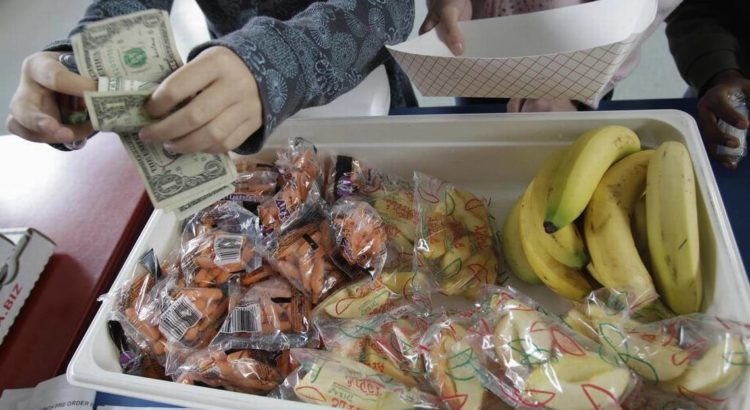
El Departamento de Alimentos y Nutrición de las Escuelas Públicas de Miami-Dade tiene la misión importante de proporcionar alimentos saludables para los estudiantes de nuestro Distrito Escolar. Es nuestra opinión que el desayuno y el almuerzo escolar contribuyen al desarrollo sano del estudiante, fortaleciendo su mente para el aprendizaje diario que les espera en la escuela. Por eso es que ofrecemos una extensa variedad de alimentos saludables y sabrosos que le agraden a los estudiantes.

Nuestro programa de alimentación cumple con los más altos estándares nutritivos de la nación. Hemos desarrollado menús creativos sensitivos a los paladares de nuestra diversa comunidad. Nuestros desayunos y almuerzos incluyen proteínas y productos lácteos bajos en grasa, pastas y pan de trigo entero, frutas y vegetales frescos. Los ingredientes que utilizamos son de la más alta calidad y cumplen con las recomendaciones y requisitos nutricionales del U.S. Department of Agriculture (USDA).

La hora de la comida debe ser tratada como otro requisito básico de una buena educación. Los directores de las escuelas deben de asegurarse que sus estudiantes dispongan de tiempo suficiente para comer, para que no se apresuren o se vean obligados a dejar de comer las comidas a causa de la disminución de los períodos dentro de las escuelas. Al igual que las materias que son enseñadas en el aula, la comida y la buena alimentación deben ser consideradas como parte de la educación.

Una dieta diaria que incluye alimentos básicos conlleva a un aprendizaje mejor de las materias que forman parte de nuestro programa de enseñanza. Es nuestra obligación el realizar un gran esfuerzo para que los niños sepan que las frutas y vegetales son alimentos básicos de su dieta para lograr un buen desarrollo físico y mental.

Según se aproxima el comienzo de otro curso escolar, le pedimos a nuestros padres, nuestros maestros, nuestros administradores y nuestros oficiales del gobierno a que valoren el programa de nutrición escolar como parte integral del enriquecimiento nutritivo del estudiante.

 También ofrecemos desayuno todos los días escolares, de lunes a viernes, a todos los estudiantes de todas las escuelas, totalmente gratis. El gobierno federal patrocina estos desayunos. Los desayunos proporcionan un buen comienzo del día escolar.

Si desea solicitar los almuerzos escolares gratuitos o a precios reducidos, las familias deben completar la solicitud electrónicamente ofrecida en el sitio http://nutrition.dadeschools.net. Las solicitudes también pueden ser sometidas a través de una aplicación en papel, las cuales se pueden obtener en la oficina de la escuela de su hijo/hija. Estas deberán de ser devueltas a la misma oficina de la escuela. Recuerden que solamente se puede llenar una solicitud por núcleo familiar, y que puede ser entregada en cualquier momento durante el curso escolar. Las mismas son ofrecidas lo mismo en inglés, español, o haitiano criollo. La información que usted proporciona en la planilla de solicitud es analizada con el propósito de determinar y verificar la elegibilidad de cada solicitante.

Fuente: http://www.elnuevoherald.com/noticias/sur-de-la-florida/article167141072.html

Comparte este contenido:

México: Ofrecen Programa de Educación Sustentable para Adultos Mayores

México/14 agosto 2017/Fuente:uniradioinforma

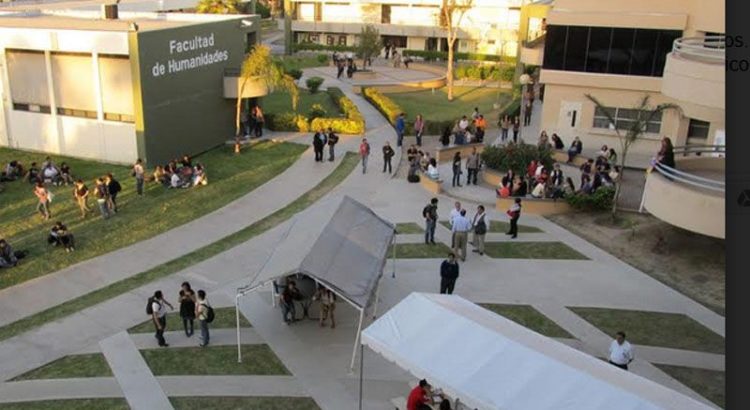
La Universidad Autónoma de Baja California (UABC) a través de la Facultad de Humanidades y Ciencias Sociales, ofrecerá a partir del nuevo ciclo escolar, el Programa de Educación Sustentable para Adultos Mayores (ESAM), informó la Coordinadora de Formación profesional y Vinculación Universitaria, Claudia Becerra.

Detalló que este programa tiene una duración de dos años y consta de una serie de cursos  divididos en cuatro módulos, cuyo objetivo es reintegrar activamente a los adultos mayores a la sociedad, tal y como se implementa desde hace 10 años en el campus Mexicali con una aceptación favorable entre la comunidad “cachanilla”.

El primer módulo dará inicio el 28 de agosto para finalizar el 15 de diciembre, en tanto que  los cursos están enfocados principalmente a personas jubiladas o que no sean laboralmente activas, y busca formar ciudadanos capaces de desarrollar actitudes y propuestas de solución para enfrentar los problemas que padece la sociedad y el medio ambiente.

La académica mencionó que a través de estas actividades se pretende que los participantes transmitan a sus familias, vecinos y amigos los conocimientos adquiridos en el aula. Asimismo, se busca que sean promotores del desarrollo sustentable de su entorno.

Claudia Becerra refirió que los antecedentes del Programa de Educación Sustentable para Adultos Mayores se remontan a 1963 en Francia, donde se ofrecían cursos a personas retiradas, amas de casa y otros interesados en seguir aprendiendo, con costos mínimos y sin requisitos de admisión, ni calificaciones.

Otro modelo surgió en Cambridge, Inglaterra en 1981, en este caso los alumnos impartían los talleres en bibliotecas, casas particulares y escuela, mientras que en La Habana, Cuba, existe un programa similar llamado Cátedras Universitarias de Adultos Mayores y tienen en cinco años más de 8 mil graduados; otros países latinoamericanos donde se están realizando este tipo de proyectos son Perú, Brasil, Costa Rica, Argentina y España.

En lo que respecta a México, precisó que existen pocos programas de sste género; uno que se imparte en la Universidad de Guadalajara y otro en la Universidad Mesoamericana de San Agustín en Mérida, Yucatán.

Especificó que la estructura temática que maneja la Facultad de Humanidades y Ciencias Sociales se divide en cuatro módulos, que incluye temas como creatividad e innovación, desarrollo de habilidades del pensamiento, introducción a la psicología.

También formación de valores, desarrollo humano, psicología social, psicología ambiental, educación ambiental y desarrollo sustentable; además se lleva un control de la salud de cada participante, a través de exámenes periódicos de la presión y diabetes.

La Coordinadora de Formación profesional y Vinculación Universitaria agregó que la aplicación del Programa de Educación Sustentable para Adultos Mayores ha sido satisfactoria en la ciudad de Mexicali, ya que los participantes tienen la oportunidad de compartir sus conocimientos con sus compañeros y maestros.

Los horarios de clases serán lunes y miércoles de 10:00 a 14:00 horas, y el costo por módulo es de 2000 pesos. Para obtener mayores informes pueden comunicarse al teléfono 682-19-19 ext. 55728 ó al correo electrónico ivet1@uabc.edu.mx

Fuente: http://www.uniradioinforma.com/noticias/tijuana/490054/ofrecen-programa-de-educacion-sustentable-para-adultos-mayores.html

Comparte este contenido:

Estados Unidos : Exigen padres de familia una educación pública sin prejuicios

Estados Unidos/14 agosto 2017/Fuente: NY1

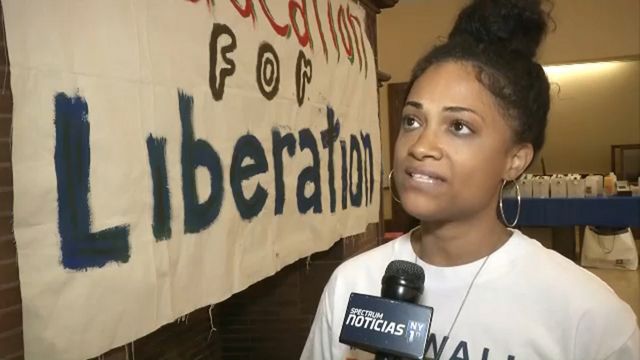
Más de un centenar de padres de familia con hijos en escuelas públicas participaron en un programa sobre la importancia de que sus hijos reciban una educación que refleje su cultura.

Además, aprovecharon el evento para pedir al alcalde de Blasio más medidas para garantizar que se erradique cualquier tipo de discriminación en las aulas.

Tenemos el informe, en directo desde Morningside Heights, con más detalles

Fuente: http://www.ny1noticias.com/nyc/twc-ny1-noticias/noticias/2017/08/12/exigen-padres-de-familia-una-educacion-publica-sin-prejuicios.html

Comparte este contenido:

La Evaluación de desempeño no es punitiva, es peor

Por: Roberto González Villarreal, Lucía Rivera Ferreiro y Marcelino Guerra Mendoza. Universidad Pedagógica Nacional, Sede Ajusco.

Entre el 1 de septiembre y el 31 de octubre, se llevará a cabo la tercera evaluación de desempeño docente, como para desmentir a quienes hace apenas unas semanas habían declarado fallida, muerta y enterrada a la reforma educativa. Pues no: no estaba muerta, estaba en reparaciones.

Y viene con más fuerza. En una sola ocasión se pretende evaluar a 150 mil profesores. Más o menos los mismos que en las dos ocasiones anteriores. Y además, para 938 profesores será la segunda oportunidad, mientras que para otros 1780 será la tercera y última. De no pasar el examen, serán reubicados en tareas no docentes.

¿Qué significa esto? Sencillo: para algunos cientos de maestros, la evaluación de desempeño seguirá su curso inexorable. Ellos son los primeros en advertir, en vivir en carne propia, que la evaluación no es un examen, ni una prueba fallida, sino un proceso del que no se sale nunca.  Ya se encuentran en la gran máquina evaluadora, de ahí no hay salida. Aún si superan la segunda o la tercera oportunidad, tendrán que evaluarse de nuevo. Una y otra vez, hasta el fin de su trayectoria laboral, o de su propia existencia.

Esos dos mil profesores que ya se encuentran en la segunda o tercera oportunidad, se encuentran en una situación que apenas vislumbran unos pocos. Los cientos de miles que faltan, todavía no sufren en carne propia la experiencia de la evaluación infinita. Los idóneos creen haberse salvado, están obnubilados por la ilusión del tiempo ganado. Ya tendrán que volver, más temprano que tarde. Y así, per saecula saeculorum. Esto es lo que no parecen advertir quienes denuncian a la evaluación como punitiva, un lugar común muy desafortunado, un error, un garlito al que llevaron y en el que cayeron los maestros.

No es cierto. Punitivo, dicen los diccionarios, es todo lo relativo al castigo. Y castigo es “la pena que se impone al que ha cometido delito o falta”. Por tanto, una evaluación punitiva es la evaluación que castiga a quien cometa una falta. Esto significa que se infringió una norma y se hace acreedor a la pena correspondiente. Un delito, un castigo; es decir, una sola vez. No se castiga dos veces el mismo delito.

En la evaluación de desempeño no es así.  La única vez que la evaluación es punitiva es la última, ahí si se castiga al docente retirándolo de sus actividades académicas. Las anteriores no, no se castiga a nadie; sin embargo, la situación es peor:  se somete a los profesores a un estado permanente de incertidumbre

Sean idóneos o no idóneos, una vez que los maestros entran a la máquina evaluadora, se vuelven trabajadores inseguros. Su contratación es temporal, siempre será por tiempo determinado. Y peor: dependerá de ellos mismos superar las evaluaciones durante toda su vida, de nadie más. Sólo de ellos depende pasar o no, según los indicadores, criterios y parámetros, impuestos desde lugares tan oscuros como cambiantes e impenetrables.

Repetimos: la evaluación de desempeño no castiga sino hasta el último momento, cuando se falla en la tercera ocasión. Este es el momento límite, al que por cierto llegan muy pocos, basta estudiar las estadísticas para verlo; así que esto no es lo sustantivo de la evaluación de desempeño, sino la producción inmanente de riesgos de desafiliación, la generación de un clima eterno de inseguridad docente. En una palabra: la producción de incertidumbre. ¡Y no se trata de una cuestión laboral, sino de una condición pedagógica de aprender a lidiar con la incertidumbre, trabajar en la incertidumbre y transmitir la incertidumbre en las tareas educativas! Como lo requiere el mercado, como se requiere en la producción de la subjetividad en el capitalismo cognitivo.

Por eso decíamos antes, la evaluación de desempeño no es punitiva: es peor. No castiga, en todos los momentos, sino que genera un estado permanente de inseguridad e inestabilidad, y eso no queda ahí. A partir de la incertidumbre que esto provoca, se generan efectos múltiples: en la subjetivación docente, en la práctica educativa, en las relaciones magisteriales, en la identidad profesional, en la formación de los maestros, entre muchas otras cosas que debemos empezar a reconocer, registrar y estudiar.

En esta perspectiva, la cuestión fundamental no es discutir si la reforma es laboral o no, si es integral o parcial, si los reactivos están bien o mal hechos, si las fases son excesivas y la evaluación  obesa, si las notificaciones fueron o no bien hechas,  si la selección de profesores a evaluar tiene intención política o no,  si los lugares de los exámenes son cómodos o terribles, si falla o no el equipo de cómputo, si es difícil entrar a la red o no, si las maestras han  sido coaccionadas o no, ese es el ropaje de la implementación de las políticas públicas, el favorito de críticos y autoridades, que en este caso se parecen tanto que ya no sabe uno nada.

La SEP y el INEE han sido muy claros: están siempre dispuestos a aceptar las críticas que mejoren los procedimientos evaluativos. Y algunos, muy diligentes, se dieron a la tarea de proponer algunas cosas. ¡Muchas gracias!, dicen Backhoff y demás funcionarios del INEE. ¡Gracias!, diría Nuño. ¡Eso es lo que queremos, mejorar la evaluación!, afirma Schmelkes.

¡Y eso fue precisamente lo que hicieron, mientras los críticos nos distraían con que la reforma estaba muerta! Y resulta que no, estaba en reparaciones, en perfeccionamiento.

Desde Nochixtlán, los técnicos del INEE y los políticos de la SEP, o al revés, se tomaron mucho tiempo para confundirnos diciendo que las evaluaciones serían voluntarias, cuando todos sabemos que la Constitución dice claramente que son obligatorias. Sobre todo, utilizaron el tiempo post-protestas y post-negociaciones, para modificar mecanismos, procesos, instrumentos, agentes, lugares y hasta fases de la evaluación, ¡pero no el régimen de la evaluación que caracteriza a la reforma! Ése se mantiene, y así seguirá hasta que no se echen abajo las leyes.

Por eso, ante esta reforma pensamos que la crítica debe ser radical, no limitarse a cuestionar lo adyacente, sino lo sustantivo. Criticar sin distraerse o desviarse en lo que algunos críticos quisieran que la reforma fuera, sino develando lo que la reforma es, lo que se propone; no sólo en su retórica, sino más aún, en la operación inmediata de sus estrategias, de sus mecanismos, es decir, en las técnicas y tácticas de sujeción que diseña y se propone, en sus objetivos soterrados.

Ya lo hemos dicho en nuestro libro Anatomía Política de la reforma educativael régimen de evaluación que se propuso no tiene nada que ver con la cuestión de la calidad; ese es un artilugio retórico muy fácilmente desmontable. La cuestión central es analizar lo que se propone efectivamente, lo que produce y no lo que abandona.

Por eso decimos que el objetivo soterrado de la reforma, el que está envuelto en los problemas de implementación y la retórica de la calidad, es la producción de incertidumbre y los efectos que ésta trae consigo, tanto para la identidad, como la formación, la práctica, el perfil, las relaciones de los maestros, en la escuela, consigo mismos, con sus alumnos y la comunidad.

No ayuda gran cosa hacer parrafadas abstractas sobre evaluación y calidad, más útil es visibilizar el régimen de evaluación que la reforma ha diseñado. Y con esto no pretendemos negar la necesidad cuasimetafísica de la evaluación educativa, menos aún justificar corruptelas, malos maestros o prácticas dañinas, sino advertir y denunciar lo que este modelo propone: la inseguridad como pivote de reconfiguración docente. Por eso hay que negarse a ESTE régimen evaluatorio; este, el que está en la Constitución.  Significa desde nuestra perspectiva, que hay que seguir luchando CONTRA la reforma educativa. Tal como están, ni la evaluación ni la reforma son mejorables, porque en su ADN se encuentra la producción de incertidumbre y la conformación de docentes inseguros, precarios y sometidos.

Fuente: http://insurgenciamagisterial.com/la-evaluacion-de-desempeno-no-es-punitiva-es-peor/

Comparte este contenido:

Transformación de las normales: desafíos contra su extinción

Por: Rogelio Javier Alonso Ruiz

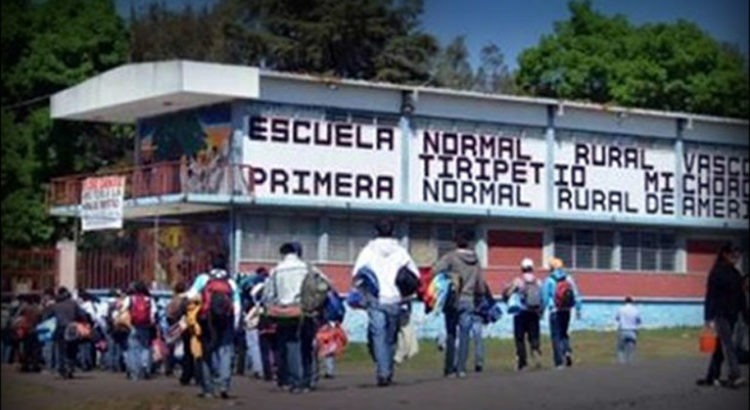
Con la implementación de la Reforma Educativa, las autoridades insistieron, una y otra vez, que las Normales no desaparecerían, sino que sólo se transformarían y modernizarían. Al pasar el tiempo, este discurso se ha desvanecido a la luz de hechos tales como el desplome de la población estudiantil normalista en los últimos años. Recientemente, el Secretario de Educación, Aurelio Nuño Mayer, ha anunciado una estrategia para fortalecer las Escuelas Normales en busca de prepararlas para la implementación del Modelo Educativo presentado a finales de 2016. Lo mencionado en este plan, además de lo establecido en el mismo Modelo Educativo, deja entrever diversos desafíos para las Escuelas Normales que, de no ser superados, algunos de ellos pudieran significar la posible extinción de estas notables instituciones.

A raíz de lo establecido en los próximos documentos rectores de la Educación Básica y de las estrategias anunciadas por Nuño para fortalecer a las Normales, se visulmbran dos retos importantes para estas instituciones: el primero se refiere a revertir la pérdida de estudiantes en las Normales producto de la apertura del servicio magisterial a los universitarios; el segundo, se refiere a los riesgos que implica la implementación de mecanismos de evaluación para el ingreso y la promoción, cuando gran parte de la planta docente normalista no forma de contrato por basificación.

Sin lugar a dudas, uno de los retos de las Escuelas Normales es revertir la tendencia a la baja en su matrícula. Tan solo en cuatro años del gobierno de Enrique Peña Nieto (2012-2016), la matrícula normalista ha decrecido más de una cuarta parte (28.5%), al pasar de 131,025 alumnos al inicio del sexenio, a 93,766 estudiantes en 2016. La situación anterior es motivada por diversos factores entre los que destacan el cierre premeditado de espacios por parte de las autoridades educativas (véanse los casos recientes de lucha de diversas Normales Rurales), hasta el linchamiento mediático de la figura del profesor, la precarización de la docencia a partir de la Reforma Educativa (condiciones de ingreso, permanencia y promoción más exigentes a cambio de la misma retribución económica, despidos “sin responsabilidad alguna para la autoridad educativa”, etc.) o el constante deterioro del poder adquisitivo de los profesores (basta recordar el raquítico aumento salarial conseguido por el SNTE ante el gobierno, el cual ni siquiera alcanza para hacer frente a la inflación del año en curso). Los elementos señalados anteriormente han mermado el interés de los egresados de bachillerato por formarse como profesores.

Aunado a lo ya mencionado, se encuentra un hecho clave enunciado en el Modelo Educativo para la Educación Obligatoria. Educar para la libertad y la creatividad: “por primera vez el sector [educativo] se abre a profesionistas con vocación docente, pero con una formación universitaria diversa” (SEP, 2017, p. 140). Esto, evidentemente, pone en una situación de desventaja considerable a las Escuelas Normales ante el resto de las Instituciones de Educación Superior. Así pues, las Universidades no sólo ofrecerán a sus estudiantes la posibilidad de ejercer en el campo laboral para el que fueron formados, sino, además, en el magisterio. En contraste, las Escuelas Normales sólo podrán ofertar a sus estudiantes la posibilidad de ejercer en el campo educativo. Mientras, para desempeñar la misma labor, a los universitarios les bastará con tener un perfil afín, los normalistas contarán con un perfil especializado. Así pues, aquellos que tengan en mente cursar una carrera normalista quizá sean disuadidos al considerar que estudiarán durante cuatro años para dedicarse a algo que para los universitarios representará, quizá, un plato de segunda mesa. El hecho mencionado al inicio del párrafo supone, además, por parte de las autoridades, un evidente desprecio de las habilidades pedagógicas en aras de favorecer los conocimientos disciplinares.

Para los docentes de las Escuelas Normales, existe otro riesgo importante además de la pérdida de alumnos: la implementación de mecanismos de evaluación para el ingreso al servicio de este tipo de instituciones. En el ciclo escolar 2016-2017, según cifras del SIBEN (Sistema de Información Básica de la Educación Normal), sólo 58.9% de los docentes normalistas del país estaban basificados. El problema anterior se acentúa en entidades como Guanajuato (20.7%), Colima (25.2%) y Yucatán (29.9%), en las cuales ni siquiera puede decirse que uno de cada tres docentes está basificado. De este modo, al igual que como ya sucedió en Educación Básica desde hace tres años, se generará una incertidumbre laboral motivada por el hecho de ver ofertado un puesto de trabajo que ha sido cubierto por años. Además, la carencia de personal docente basificado sin duda pudiera representar una condición propicia para que las Normales sean desmanteladas en un futuro no tan lejano y continuar con la inercia a la baja en cuanto al volumen de estas instituciones.

En suma, el panorama a corto plazo para las Normales es bastante complicado. No basta, como supone el nuevo Modelo Educativo, que las Escuelas Normales sean vistas “como escuelas sólidas, con infraestructura adecuada, maestros preparados, ambientes propicios para el aprendizaje, y programas de estudio pertinentes” (SEP, 2017, p. 141) para su revitalización y consolidación a futuro. Por más esfuerzos que se hagan al interior de estas instituciones centenarias, mientras la docencia siga deteriorándose social y económicamente, difícilmente las carreras normalistas serán una opción atractiva para la juventud mexicana. Mientras las autoridades educativas sigan haciendo creer que el mérito de un docente se reduce a su desempeño en un examen, cualquier institución se jactará de formar profesores, desvalorizando entonces la función de las Escuelas Normales. Así pues, los retos de estas instituciones no se limitan a sus propios muros, sino que abarcan un horizonte mucho más amplio: implican no sólo resolver sus problemas internos (laborales, profesionales, administrativos, académicos, etc.), sino sumarse a la lucha por la dignificación de la figura del docente. Si el normalismo sigue viendo pasivamente cómo el gobierno maltrata al docente, terminará cavando su propia tumba al lado de la de esta trascendental profesión.

*Docente colimense de Educación Primaria (Esc. Prim. Distribuidores Nissan No. 61 T.V.) y de Educación Superior (Instituto Superior de Educación Normal del Estado de Colima). Licenciado en Educación Primaria y Maestro en Pedagogía. 

Twitter: @proferoger85

REFERENCIAS:

SEP. Modelo Educativo para la Educación Obligatoria. México: SEP, 2017.

SEP. Sistema de Información Básica de la Educación Normal. (Disponible en:www.siben.sep.gob.mx).

SEP. Sistema Educativo de los Estados Unidos Mexicanos, principales cifras 2015-2016. México: SEP, 2017.
Fuente: http://www.educacionfutura.org/transformacion-de-las-normales-desafios-contra-su-extincion/
Comparte este contenido:

México: Jalisco cuenta con primer modelo educativo para niños sobredotados

México/14 de Agosto de 2017/Informador

  • Más de cinco mil alumnos han demostraron un incremento de 9.8 % en su Coeficiente Intelectual

El programa dirigido a estudiantes de dos a 16 años desarrollará sus capacidades intelectuales a su máximo nivel

GUADALAJARA, JALISCO (11/AGO/2017).- El Centro de Atención al Talento (CEDAT) de Guadalajara arrancó este mes las actividades del Programa de Potenciación Intelectual Intensivo, que es el primer modelo diferenciado a tiempo completo para niños sobredotados en Jalisco.

El director de Investigación y Psicología del CEDAT, Andrew Almazán Anaya, señaló que el programa atenderá a menores desde los dos a los 16 años de edad con el mismo modelo psicoeducativo para inteligencia superior que ha sido empleado de forma exitosa en la Ciudad de México por más de siete años.

Mencionó que el Programa de Potenciación Intelectual Intensivo ha sido reconocido a nivel mundial y presentado en congresos científicos tanto en México como diversos países, entre ellos Estados Unidos, China y Dinamarca.

Almazán Anaya indicó que el objetivo del programa es desarrollar las capacidades de cada niño sobredotado a su máximo nivel, al mismo tiempo que busca fomentar el desarrollo anímico y social en cada uno de ellos.

En ese sentido, destacó que se ha demostrado con más de cinco mil casos de alumnos sobredotados que cursaron por cuatro años este programa un incremento de 9.8 por ciento en su Coeficiente Intelectual y aproximadamente 20 por ciento en su desempeño académico.

«Lo anterior les ha permitido ingresar a universidades de prestigio como el Instituto Tecnológico de Estudios Superiores de Monterrey, Universidad Nacional Autónoma de México (UNAM), al Instituto Politécnico Nacional (IPN) y la Universidad Veracruzana, entre otras», sostuvo.

Explicó que decenas de niños que se incorporaron al programa en Guadalajara podrán adentrarse en áreas como iniciación científica, idiomas (francés, chino mandarín, inglés), talleres de pintura, teatro y música, ajedrez, defensa personal, laboratorios de robótica, unidades de investigación y desarrollo de tecnología, medicina, entre otras.

«Con la instauración de este modelo, el CEDAT Guadalajara una vez más demuestra que se ha convertido en el centro líder en sobredotación intelectual infantil en la zona de occidente y del Bajío con centenares de casos atendidos desde su fundación en 2016», afirmó Almazán Anaya.

El joven investigador recordó que del Programa de Potenciación Intelectual Intensivo para niños sobredotados egresó la psicóloga más joven del mundo, Dafne Almazán Anaya. En la actualidad hay jóvenes de 15 años edad que ya están estudiando licenciaturas y maestrías en la Ciudad de México y Veracruz.

«Próximamente veremos también a niños sobredotados de Jalisco potenciar sus capacidades cognitivas y con certeza podrán estudiar alguna licenciatura a tan temprana edad», añadió.

El Centro de Atención al Talento (CEDAT), surge para servir a una parte de la población: los niños con mayor capacidad intelectual, que en incontables ocasiones sufren una discriminación educativa y social.

Muchas veces estos niños talentosos son mal diagnosticados y al confundirlos se les llega a considerar como niños con Síndrome de Déficit de Atención (TDAH) o malos estudiantes, que son segregados y corren el riesgo de llegar a tener una baja autoestima en el área académica, tan sólo por ser diferentes a la media.

Estadísticamente se calcula que el tres por ciento de la población infantil tiene sobrecapacidad, lo que equivaldría a cerca de un millón de niños en México, por lo que es importante detectarlos a tiempo.

Fuente: http://www.informador.com.mx/jalisco/2017/734318/6/jalisco-cuenta-con-primer-modelo-educativo-para-ninos-sobredotados.htm

Comparte este contenido:
Page 939 of 1686
1 937 938 939 940 941 1.686