Saltar al contenido principal
Page 367 of 622
1 365 366 367 368 369 622

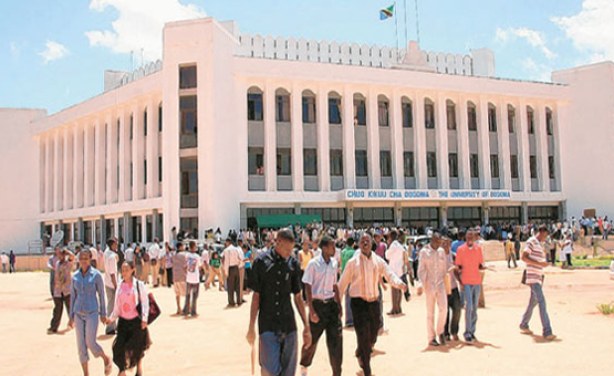
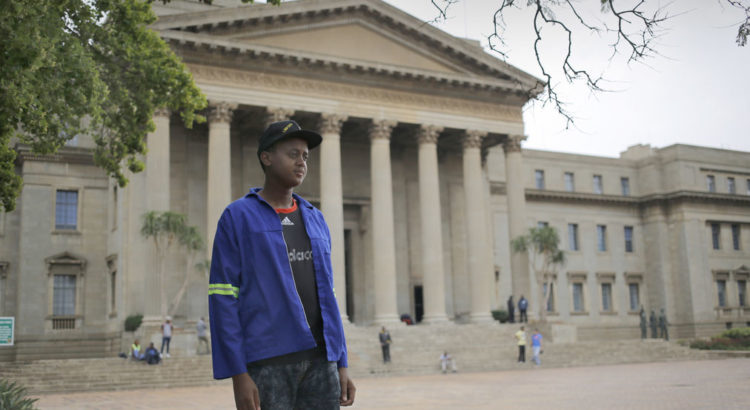
África: How strong academic support can change university students’ lives

Árica/Febrero 2017/Noticias/http://theconversation.com/h

In South Africa tens of thousands of students leave universities each year without completing their degrees. They are largely being pushed out of the system due to funding issues and a lack of academic support.

Funding is a national problem. But what about the lack of comprehensive academic support for students who really need it? The fault here lies squarely with universities.

Universities blame the country’s disastrous public schooling system for the fact that many students enter higher education unprepared.

Public schooling is definitely a massive problem. Research suggests that of one million children who enter Grade 1 in South Africa each year, half do not go on to complete secondary school. Only 100,000 get to university and only 53,000 graduate from university after six years in the tertiary system.

We must stop expecting first-year students – many of whom come from public schools and whose first language isn’t English – to somehow figure out how to cope with the rigorous demands of any university degree without genuine, committed support.

There are some programmes in place to ease the transition. But many students at my own institution have confided in me that these programmes are often inadequate. Most classes to improve second language speakers’ grasp of English are optional, as are workshops on academic preparedness. Some students attend them; others struggle to find time due to packed class schedules.

My institution has a writing centre to support students with essay and assignment writing. The problem is that it’s understaffed and students often have to wait weeks for an appointment.

But there’s a fascinating and troubling contradiction at play: this very same institution offers comprehensive and compulsory programmes to help students who don’t speak English as a first language – as long as they’re international students from outside South Africa. And these programmes work very well, helping students cope with university demands and go on to graduate.

These programmes must be adapted, broadened and rolled out to ensure that South African students who are struggling with English and the demands of university education don’t get left behind.

I’m speaking from experience. Fifteen years ago I barely spoke any English but managed to earn a scholarship to a university in the United States. The support I received there made a world of difference. Similar support can change South African students’ university experience – and their lives, too.

Comprehensive and dedicated support

In 2002 I received a scholarship to study at the College of St Benedict and St John’s University in Minnesota. I’m from Bosnia and Herzegovina, and English isn’t my first language. I learned a bit of English in primary school. Then the war interrupted my primary school education for two years. After the war, the education system was dysfunctional.

When I got to the US in 2002 I could hardly speak, read or write English.

I spent two months in a school for students learning English as a second language, then headed to university. This helped a bit but I needed so much more.

The first year at university was hell, academically speaking. I struggled to understand what was going on around me. I could hardly express myself or write my assignments. Often, I doubted myself and my choice to accept the scholarship. I doubted my own intelligence.

Over the years in South Africa, I have heard many accounts of similar struggles experienced by South African students whose first language isn’t English. They all speak about the inability to engage in English, to cope, follow lectures. They, too, often think that they are not good enough to be at the university.

The best thing about my first year was the English language class I attended with other international students. Our professor taught us to read, write, speak and present in English. There were three classes a week, but she supported us way beyond those set times.

Without her, I probably would have quit my studies. Instead, my marks improved dramatically and my confidence grew. In 2005 I was persuaded by my American friends to write a book about my wartime experiences. I wrote it in English. It was published in 2008.

I’ve been in South Africa since 2007, obtaining a Masters and PhD. Today I write, do research, publish, lecture, present at national and international conferences. All in English.

I didn’t accomplish any of this because I was special. The support I received at the start of my university education made all the difference.

Becoming student-ready institutions

In South Africa, the lack of comprehensive academic support for all who need it is excused by the lack of capacity and the price tag. But surely investing in programmes that bolster student success makes sense? After all, universities receive government funding partly based on their graduate numbers. And more graduates can boost the economy.

In 2013, the Council on Higher Education proposed that university studies and “qualifications should accord with the learning needs of the majority of the student intake”. This, the council argued, would entail extending undergraduate programmes by a year. The first year would become foundational, with students spending a considerable amount of time on compulsory academic preparedness and development.

This has not yet been implemented.

Byron White, vice president for university engagement at Cleveland State University, argues that universities need to stop complaining that their first-year students aren’t prepared for academic life. This approach, White says,

has allowed higher education to deflect accountability. It’s time that we fully embrace the burden of being student-ready institutions … It turns out the problem was not as much about the students as we thought. It was largely us, uninformed about what it takes to help them succeed or unwilling to allocate the resources necessary to put it into practice.

Universities must ditch the excuses and do more. Extensive academic support changes lives. It’s time we got to work.

Fuente:

http://theconversation.com/how-strong-academic-support-can-change-university-students-lives-73703

Fuente imagen   :

https://lh3.googleusercontent.com/Gi-pwwpvvtLXrmAiDCxQm0n8Np7T3MKmD68O953qtf2NqAv4Wp-Y2IK7b7G70uIkFR4bTyA=s85
Comparte este contenido:

Sudafrica: Human rights lawyers issue directive to schools about undocumented children

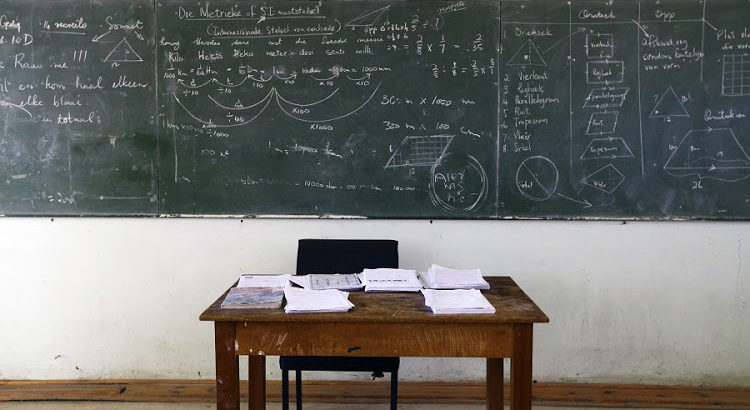
«An Edenvale school governing body threatened to take immigrant pupils to the police — laywers declare ‘children are always entitled to their rights’

Africa/Sudafrica/TMG Digital

Resumen: Los abogados de derechos humanos instan al Departamento de Educación Básica para emitir lineamientos de política publica dando instrucciones a todas las escuelas para detener de inmediato la práctica de la discriminación contra los niños extranjeros e indocumentados al denegar el acceso a las escuelas o cobrándole tarifas más altas. Sugieren en un comunicado conjunto, suscrito por los abogados de Derechos Humanos del Centro para la Ley de Educación Infantil y del Centro de Igualdad de Derecho, que los lineamientos también deben indicar que las escuelas tienen la responsabilidad de ayudar a los niños a obtener sus documentos, dijeron

Human rights lawyers are urging the Department of Basic Education to issue a directive instructing all schools to immediately stop the practice of discriminating against foreign and undocumented children by refusing access and charging higher fees. The directive should also indicate that schools have a responsibility to help children obtain documents‚ Lawyers for Human Rights‚ the Centre for Child Law and Equal Education Law Centre said in a joint statement.

This comes after an Edenvale‚ Ekurhuleni‚ school governing body issued a letter last week that threatened to take immigrant pupils without valid paperwork to the police. Following outrage on social media‚ the governing body called the letter «unfortunate» and said it «unreservedly» apologised for any hurt the letter may have caused.

The human rights lawyers said that although the school has retracted the letter‚ «unfortunately the Eastleigh school incident is not an isolated event».

«At the beginning of each school year‚ and particularly in 2017‚ we receive reports of children being denied admission to school. These include not only undocumented migrant children‚ but also documented refugee and asylum-seeker children and undocumented South African children. Whatever their status or level of documentation‚ children are always entitled to their rights.»

They spelt out the rights of children in this situation:

• Children are never to be detained for immigration purposes. This is an absolute right.

• All children in SA are equally entitled to education regardless of their status or documentation. The Schools Act prohibits discrimination of any form when it comes to admission to school.

• South African courts have found that the right to study is inherent in the right to dignity and that this right cannot be bound to one’s nationality. No child may be discriminated against based on their own status or that of their parents. The Constitution protects the right to education‚ the right to equality‚ and the right to dignity of all people in SA. This includes those without documents or citizenship. This is particularly true when it comes to children.

• The Constitution states that the best interest of the child is of paramount importance when dealing with children. The National Education Policy requires schools to assist the child in obtaining documentation where there is none. The burden to comply with documentation requirements is shared between parents and the school. Where the child is part of a child-headed household, or an unaccompanied child, this burden is shared by the school and the Department of Social Development. These responsibilities are in place to ensure that nothing prevents a child from going to school. A school cannot merely reject a child for having no papers.

The lawyers commented: «It is important to take into account the various factors which lead to children being left undocumented and to consider that these factors are always out of the child’s control. Refugee and asylum-seeker children are entitled, in terms of the Refugees Act, to obtain the same permit as their parent. Yet they often have trouble obtaining or renewing their permits‚ because of widely reported and widespread corruption the Refugee Reception Offices.»

The lawyers said they have also encountered unlawful refusals of admissions for children without birth certificates. This was despite the fact that some children cannot obtain birth certificates‚ because the Births and Deaths Registrations Act makes it impossible for certificates to be obtained by children of single fathers where the mother is missing or undocumented‚ children in child-headed households and children in the care of guardians where the parents are alive, as well as children of undocumented parents.

«It is of great concern that the Department of Home Affairs visited Eastleigh in the week prior to the school sending its letter‚ and appears to have exerted pressure with regard to undocumented learners,» the lawyers said. «It is simply not constitutionally permissible for the department to take this approach.»

«While immigration control may be a legitimate government concern and function‚ it should never be addressed through the violation of children’s rights. No reason whatsoever‚ including irregular migration‚ can ever justify harming children through unlawful arrest or the denial of education.»

The lawyers requested that the department issue a directive to all schools clarifying the correct legal principles: «These include that refugee and asylum-seeker children are entitled to be admitted to school, even while awaiting documentation, and do not need study permits to attend school; that school principals will not be arrested or fined for admitting undocumented children, as is the rumour; and that undocumented children are allowed to attend school in SA.»

It also urged the department to amend laws to eliminate unconstitutional exclusions from birth registrations where children were born in SA or to South African parents and «to stop the discriminating practice of requiring expensive DNA tests for people faced with poverty before birth registration will take place».

The Department of Social Development was also asked to intervene in cases where children are in need of care and protection and where parents are unresponsive, in order to assist with the process of obtaining documentation for children.

Fuente: https://www.businesslive.co.za/bd/national/education/2017-03-02-human-rights-lawyers-issue-directive-to-schools-about-undocumented-children/

Comparte este contenido:

Kenya: Education CS Distances Himself From Lecturers’ Pay Talks

Education Cabinet Secretary Fred Matiang’i has distanced himself from talks geared towards ending the lecturers’ strike, saying he does not want to interfere with the due process.

In a move that is likely to prolong the strike that has paralysed learning in public universities, Dr Matiang’i said the process of negotiating a collective bargaining agreement (CBA) is informed by the Constitution, labour laws and employee and employer contractual arrangements.

«The CBA for the public universities is a negotiation between the employer, represented in this case, by the Inter-public Universities Councils consultative forum and three unions,» he said in a letter dated February 23 to Universities Academic Staff Union (Uasu) Secretary-General Constantine Wasonga.

____________________________

Kenia: Educación CS se distancia de negociaciones salariales en los profesores

El secretario del gabinete de Educación, Fred Matiang’i se ha distanciado de las conversaciones dirigidas a poner fin a la huelga de los profesores, diciendo que no quiere interferir con el debido proceso.

En un movimiento que es probable que prolongar la huelga que ha paralizado el aprendizaje en las universidades públicas, el Dr. Matiang’i dijo que el proceso de negociación de un acuerdo de negociación colectiva (CBA) es informado por la Constitución, las leyes laborales y los acuerdos contractuales de los empleados y de los empleadores.

«El CBA para las universidades públicas es una negociación entre el empleador, en este caso, por el Inter-pública foro consultivo Universidades Consejos y tres sindicatos», dijo en una carta fechada el 23 de febrero al Universidades unión del personal académico (UASU) Secretario -General Constantino Wasonga.

Fuente de la Noticia:

http://allafrica.com/stories/201702280170.html

Comparte este contenido:

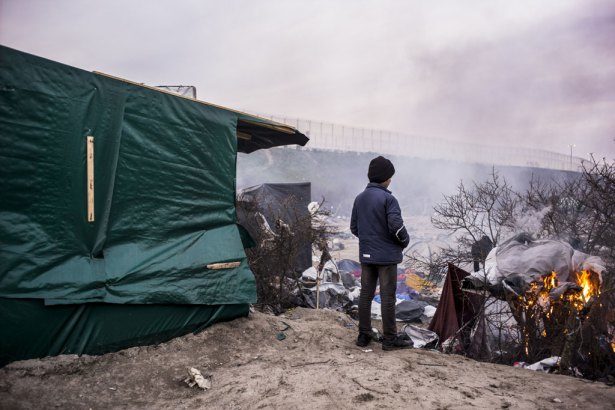
UNICEF insta a países del mundo a garantizar protección a niños migrantes

UNICEF/03 marzo de 2017/Autora: Maryhevelin Hernández/Fuente: VTV

El Fondo de las Naciones Unidas para la Infancia (UNICEF) insta a países del mundo a garantizar la seguridad de los niños migrantes, después de que cientos perdieran la vida durante 2016 en la ruta del mar Mediterráneo.

Niños Migrantes
Foto: Archivo

En un reporte divulgado, la agencia propuso extremar la protección de los menores de edad que viajen solos, poner fin a la detención de niños migrantes, mantener a las familias unidas y hacer todo lo posible para que los pequeños no dejen la educación y accedan a la salud.

Asimismo refleja que las mujeres y los menores de edad que dejan sus países sufren de manera rutinaria violencia sexual, explotación, abusos y detención en los viajes desde el norte de África -en particular Libia- hacia Italia, en el Mediterráneo Central, reseña Prensa Latina en su portal web.

Según el documento, el 75 por ciento de los menores de edad entrevistados por la Organización de las Naciones Unidas (ONU) aseguraron que durante algún punto del trayecto sufrieron violencia, maltratos y agresión por adultos, mientras casi la mitad de las mujeres y las niñas fueron víctimas de abusos sexuales.

En 2016, alrededor de cuatro mil 600 personas murieron en el intento de cruzar el Mediterráneo desde Libia, 700 de ellas niños.

Se trata de una de las rutas de migrantes más mortales para las mujeres y los menores de edad en el planeta, afirmó el director regional de Unicef y coordinador para la crisis de migrantes en Europa, Afshan Khan.

De acuerdo con Khan, en el Mediterráneo Central abundan los traficantes de personas y otros grupos que buscan sacar ventaja de la vulnerabilidad de quienes intentan llegar a Europa para escapar de conflictos en el norte de África, el Medio Oriente y regiones de Asia.

“Necesitamos proteger a los niños de los depredadores y garantizar rutas seguras para los migrantes”, manifestó.   /EM

Fuente de la Noticia:

http://vtv.gob.ve/unicef-insta-a-paises-del-mundo-a-garantizar-proteccion-a-ninos-migrantes/

Comparte este contenido:

Tanzania: TCU Sheds Light On Current Students Verification Exercise

Tanzania/03 de marzo de 2017/ Fuente: All Africa

The Tanzania Commission for Universities (TCU) has calmed 8,167 students in higher learning institutions whose credentials are up for approval, explaining that the scrutiny did not necessary mean that they lack qualifications.

«All the scholars who were listed are asked to remain calm and continue with studies, TCU will communicate directly with the institutions to complete the verification exercise,» the commission explained.

In a statement issued over the weekend, the commission elaborated that the listed scholars had not been proved to lack qualifications but there were shortcomings on the information they presented.

«It should be noted that it has not been confirmed whether the students lack qualification for higher education but rather there were discrepancies which should be addressed,» read part of the statement signed by the Executive Director of TCU.

The higher education watchdog had on February 22, this year, issued a list of the students and gave them until today to present their credentials for approval.

_____________________________________

Español:

Tanzania: TCU arroja luz sobre la actual ejercicio de verificación Estudiantes

La Comisión de Tanzania para Universidades (TCU) ha calmado 8.167 estudiantes en las instituciones de educación superior cuyas credenciales son para su aprobación, y explicó que el escrutinio no contenía necesariamente que carecen de calificaciones.

«Todos los eruditos que han sido mencionadas se les pide que mantengan la calma y continuar con los estudios, TCU se comunicará directamente con las instituciones para completar el ejercicio de verificación», explicó la comisión.

En un comunicado emitido el fin de semana, la comisión explicó que los estudiosos mencionados no se había demostrado que las calificaciones falta pero había deficiencias en la información que presentan.

«Cabe señalar que no se ha confirmado si los estudiantes carecen de cualificación para la educación superior, sino más bien hubo discrepancias que deben ser tratados,» leer la primera parte de la declaración firmada por el Director Ejecutivo de la TCU.

El organismo de control la educación superior tenía el 22 de febrero de este año, publicó una lista de los estudiantes y les dio hasta hoy para presentar sus credenciales para su aprobación.

Fuente de la Noticia:

http://allafrica.com/stories/201702280418.html

Comparte este contenido:

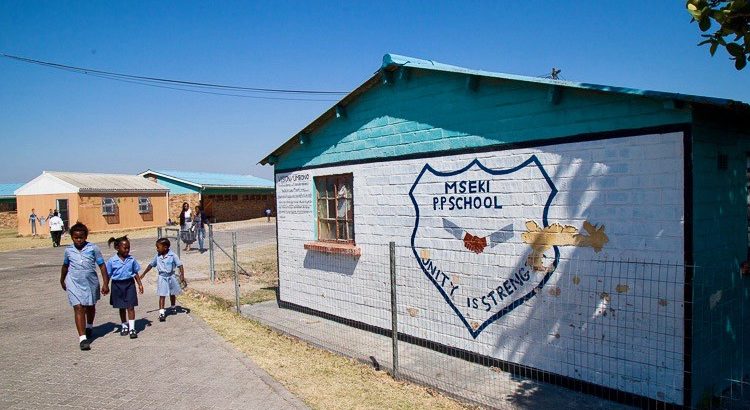
Sudáfrica: If This Is What It Takes to Improve Education, So Be It – Parents Shut Down Classes

Sudáfrica/Marzo de 2017/Fuente: All Africa

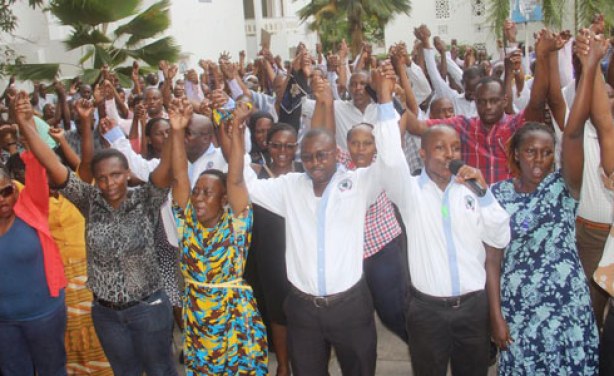
RESUMEN: Los padres dicen que las clases no se reanudarán en la Escuela Primaria Mseki en Gugulethu hasta que obtengan una respuesta clara a sus demandas del departamento de educación de Western Cape. La semana pasada las clases fueron interrumpidas en la escuela cuando los padres, los miembros del cuerpo gobernante de la escuela (SGB) y algunos maestros protestaron contra el supuesto hacinamiento y el no pago de los maestros. El martes por la mañana la enseñanza se detuvo cuando padres, profesores y alumnos marcharon a la comisaría de Gugulethu para tratar de obtener un permiso para marchar al departamento. Se les dijo que tendrían que solicitar un permiso de marcha en el Centro Cívico en Ciudad del Cabo y tendrían que esperar siete días para obtener una respuesta. Cuando los manifestantes regresaron a la escuela desde la estación de policía, la mayoría de los alumnos se habían ido a casa.

Phunyezwa Sonqishe, una madre y miembro de SGB, dijo que habían hecho una cita y fueron a las oficinas del departamento el lunes, pero que no recibieron mucha ayuda.

Parents say classes will not resume at Mseki Primary School in Gugulethu until they get a clear response to their demands from the Western Cape education department.

Last week classes were disrupted at the school when parents, members of the school governing body (SGB) and some teachers protested against alleged overcrowding and non-payment of teachers.

On Tuesday morning teaching stopped when parents, teachers and pupils marched to the Gugulethu police station to try and obtain a permit to march to the department. They were told that they would have to apply for a marching permit at the Civic Centre in Cape Town and they would have to wait seven days to get a response.

By the time the protesters marched back to the school from the police station, most of the pupils had gone home.

Phunyezwa Sonqishe, a parent and SGB member, said they had made an appointment and gone to the department’s offices on Monday, but had not received much help.

«We want mobile classrooms, and we want to know what will happen to the two teachers who still have not been paid, even though the department says they have [been].

«We are not going to break windows, burn down the school or cause unnecessary chaos, but we will fight for what we want. Learning will not continue until we are heard,» said Sonqishe.

A parent of a Grade 5 pupil said if this is what it takes to improve education for their children, then so be it.

Spokesperson for the Western Cape education department Millicent Merton said the department was aware of the march and the protest at the school.

«We call on parents not to disrupt teaching and learning.»

She said the SGB had an upcoming appointment with the department officials responsible for infrastructure.

Fuente: http://allafrica.com/stories/201703010069.html

Comparte este contenido:

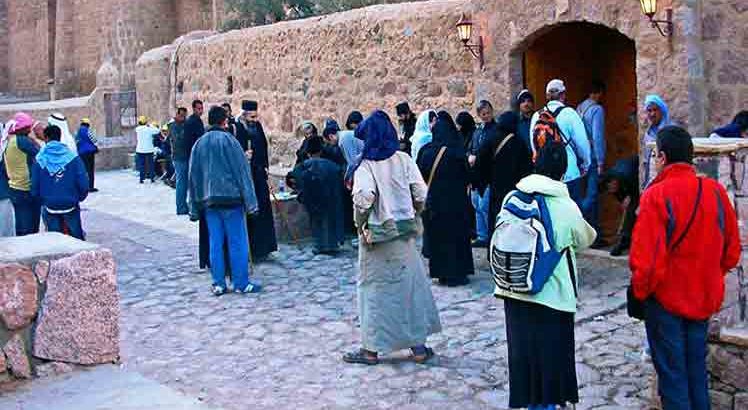
Egipto: Se elevan a 143 las familias desplazadas por terrorismo en el Sinaí

Egipto/02 marzo 2017/Fuente: Prensa Latina

El número de familias de cristianos coptos egipcios que han huido del norte del Sinaí a la cercana ciudad de Ismailia a consecuencia de asesinatos cometidos por grupos extremistas islámicos se elevó hoy a 143.
Esas familias, detalla un comunicado de la Iglesia Ortodoxa Copta de Egipto, están integradas por 546 miembros.

De momento, agrega la nota, la Iglesia Anglicana de Ismailia proporciona apoyo y alojamiento a 146 de esas personas, pertenecientes a 54 familias, mientras cubre las necesidades cotidianas de otros 89 núcleos.

El Gobierno egipcio, añade, ha asumido la responsabilidad de la vivienda en la gobernación.

La más reciente cifra oficial de cristianos desplazados divulgada la víspera ubica en unas 120 las familias que huyeron de la ciudad de El Arish, en el Norte del Sinañi, de las cuales, según el ministro de asuntos parlamentarios, Omar Marawan, 96 recibieron refugio en la vecina gobernación de Ismailia, ocho familias en la de Qalioubia, 12 en Assiut y dos en El Cairo.

De acuerdo con el funcionario, el ministerio de Solidaridad Social asume el costo de la educación, el alojamiento y la asistencia sanitaria para las familias desplazadas, así como la asignación de mil libras egipcias (unos 65 dólares) a cada una como ayuda financiera de emergencia.

Durante los últimos 15 días grupos armados fundamentalistas realizaron ocho ataques contra cristianos en El Arish causando la muerte a tres ciudadanos coptos, hechos que desencadenaron causaron el actual éxodo de civiles de esa zona.

Hasta ahora ningún grupo se ha adjudicado la autoria de las agresiones a coptos en el Sinaí, aunque recientemente el Estado Islámico reveló en Internet sus planes de atacar a la comunidad cristiana en Egipto, prometiendo ‘liberar a El Cairo’ de ciudadanos de esa confesión.

En la zona norte del Sinaí actúa el grupo armado Wilayat Sayna (Península del Sinaí, luego que cambiara su nombre de Ansar Beit Al Maqdis tras manifestar lealtad al Estado Islámico).

Sus acciones han causado desde 2013 cientos de muertos, tanto de civiles como de militares.

Fuente:http://prensa-latina.cu/index.php?o=rn&id=67529&SEO=se-elevan-a-143-las-familias-desplazadas-por-terrorismo-en-el-sinai

Comparte este contenido:
Page 367 of 622
1 365 366 367 368 369 622
OtrasVocesenEducacion.org